Meta Description: Heavy-duty worksites require footwear that withstands sharp debris, rough terrain, and harsh conditions. This article breaks down how puncture-resistant boots deliver reliable performance for industrial, agricultural, and outdoor work. Readers will learn key design features, performance metrics, and maintenance tips to select suitable footwear. Professional Rain Boot Manufacturer.
Keywords: Puncture-Resistant Boots, worksite safety, industrial footwear, heavy-duty boots, puncture protection, work boot durability
1. Core Problem Analysis
1.1 Common Causes of the Problem
Worksite puncture hazards originate from sharp objects like metal nails, broken glass, rebar fragments, wood splinters, and industrial debris scattered across floors, equipment, and outdoor terrain. Additional contributing factors include uneven surfaces, unmarked debris zones, worn or insufficient protective footwear, and failure to inspect boots before shift starts. Many worksites also overlook the gap between standard waterproof boots and specialized puncture-resistant designs, leading to preventable injuries.
1.2 Affected Usage Scenarios
Puncture-related injuries and performance failures occur across multiple high-risk worksites, including construction sites, metal fabrication facilities, agricultural operations (such as farming, livestock handling, and forestry), waste management centers, warehouse logistics zones, and outdoor maintenance crews working with sharp tools or debris. Each scenario presents unique debris profiles and terrain challenges that demand targeted boot protection.
2. Product and Process Principle
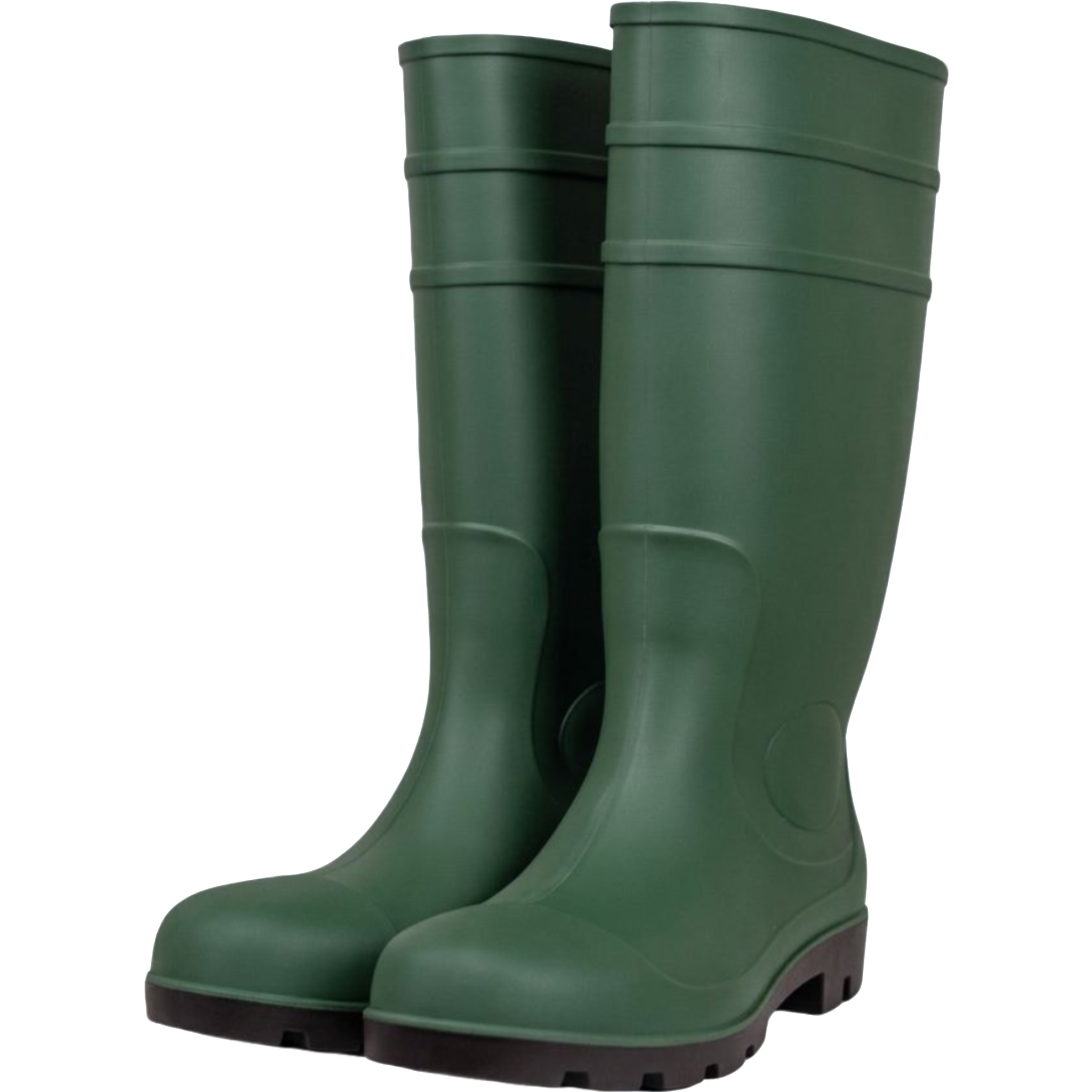
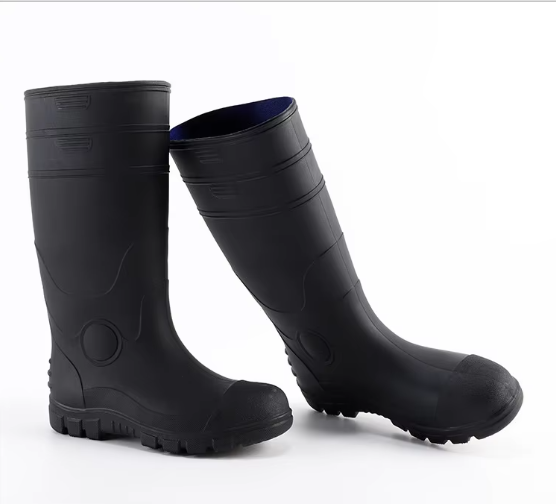
Puncture-resistant boots rely on integrated material layers to block sharp objects without sacrificing flexibility or comfort. Standard designs often combine a high-density rubber or PVC outer shell with a woven puncture-resistant insert, such as nylon or aramid fiber, positioned between the outsole and upper. This layer is engineered to distribute impact force and resist penetration from sharp debris, while upper materials like neoprene or rubber provide waterproofing. According to ISO 20344:2021, test methods for footwear puncture resistance measure the force required to penetrate the sole at specific loading rates, ensuring consistent performance.
Professional Rain Boot Manufacturer applies compound formulation and injection molding processes to adjust layer thickness and material density based on worksite risk levels. For example, higher-risk construction sites may use thicker inserts, while light agricultural tasks can use thinner, more flexible layers to improve mobility. Vulcanization processes used in rubber boot production enhance material durability and bonding between layers, reducing separation that could compromise puncture protection over time.
3. Practical Solutions and Operation Steps
Selecting the right puncture-resistant boots for a worksite requires matching design features to specific hazard profiles. Follow these actionable steps to make an appropriate choice:
- First, conduct a worksite hazard assessment to identify primary debris types, frequency of exposure, and terrain conditions. For sites with frequent metal nails or rebar, prioritize boots tested to puncture resistance under heavy load, per ASTM F2413-24 standards.
- Next, evaluate boot flexibility and fit: Ensure the boot allows natural foot movement, as overly rigid designs can cause fatigue on long shifts. Choose sizes that accommodate thick work socks without pinching, as poor fit can reduce protection effectiveness.
- Check additional features that complement puncture resistance: Slip-resistant outsoles with deep treads work well for wet or muddy worksites, while waterproof linings are necessary for outdoor tasks in rainy conditions. Avoid generic waterproof boots, as they often lack specialized puncture protection layers.
- Verify manufacturer test documentation: Request third-party test reports or compliance certificates to confirm puncture resistance performance claims, rather than relying solely on product marketing materials.
4. Daily Maintenance and Precautions
Proper maintenance extends the lifespan of puncture-resistant boots and preserves their protective capabilities. Start by cleaning boots after each use: Remove loose debris with a soft brush, then wipe the exterior with mild soap and water to avoid damaging protective layers. Avoid harsh chemicals or high-pressure washers, as these can degrade rubber and puncture-resistant inserts over time.
Dry boots away from direct sunlight or high heat sources, such as radiators or work site heaters, as extreme temperatures can cause rubber to crack or become brittle. Stuff boots with newspaper to absorb moisture and maintain shape during drying. Regularly inspect boots for signs of damage, including cuts in the outsole, separated layers, or worn puncture inserts—address small damage promptly, as it can lead to larger failures over time.
Key precautions: Do not use puncture-resistant boots as general work boots for tasks that require other safety features, such as chemical resistance or electrical insulation, unless explicitly designed for those combinations. Never modify puncture-resistant layers by cutting or adding accessories, as this compromises protection performance.
5. Industry Standard and Parameter Reference
Performance of puncture-resistant boots is evaluated against global standards that define test methods and minimum requirements. The following table summarizes key parameters and relevant industry references:
ParameterRecommended ReferenceWhy It Matters
Puncture Resistance (Outsole)ISO 20344:2021 Section 7Measures force required to penetrate the boot sole, a core performance metric for heavy-duty worksites
Slip resistanceEN ISO 20347:2022+A1:2024Helps evaluate outsole grip on wet or contaminated surfaces, critical for worksite safety
Occupational footwear requirementsISO 20347:2021 or EN ISO 20347:2022+A1:2024Supports non-safety occupational footwear selection for general heavy-duty tasks
Safety toe footwearASTM F2413-24 where protective toe performance is claimedRelevant for worksites requiring both toe and puncture protection
Chemical protective footwearEN 13832-3:2018 where prolonged chemical contact is claimedUseful for worksites with exposure to corrosive or reactive substances
According to ISO 20344:2021, puncture resistance testing uses a standardized probe to apply force at a controlled rate, ensuring consistent, comparable results across different product lines. Worksites should only select boots that meet or exceed relevant standard requirements for their specific task risks.
6. Customer Common FAQ
Q: Are puncture-resistant boots suitable for all heavy-duty worksites?
A: No, their suitability depends on worksite hazards. Professional Rain Boot Manufacturer notes that puncture-resistant boots work well for sites with sharp debris exposure, but they are not ideal for worksites requiring specialized features like extreme temperature resistance or electrical insulation, unless the boot is explicitly designed for dual performance.
Q: How often should puncture-resistant boots be replaced?
A: Replacement frequency depends on usage intensity and maintenance. Inspect boots monthly for damage to the outsole, layers, or puncture insert. Replace boots immediately if any part of the protective structure is compromised, as even small tears can lead to failure under heavy load.
Q: Do puncture-resistant boots affect comfort or mobility during long shifts?
A: Modern designs balance protection and flexibility, but overly rigid boots can cause fatigue. Choose boots with ergonomic insoles and flexible materials that meet standard puncture requirements, and test fit during working hours to ensure all-day comfort.
Q: Can I repair a puncture-resistant boot if the sole gets cut?
A: Minor cuts in the rubber outer layer may be repaired with approved rubber adhesive, but damage to the internal puncture insert cannot be repaired. Always consult the manufacturer’s guidelines for repairs, as improper fixes can reduce protective performance.
Conclusion
Puncture-resistant boots deliver critical protection for heavy-duty worksites by mitigating injury risks from sharp debris, but their performance depends on proper selection, maintenance, and alignment with worksite hazards. This article has explored core problem areas, material and process principles, practical selection steps, maintenance best practices, industry standards, and common customer questions. Professional Rain Boot Manufacturer emphasizes that choosing boots aligned with task-specific risks, verified via third-party standards, and maintained regularly ensures reliable performance for industrial and outdoor work settings.
References
- International Organization for Standardization. ISO 20344:2021, Footwear – Test methods for whole shoe, 2021
- International Organization for Standardization. ISO 20347:2021, Occupational footwear, 2021
- American Society for Testing and Materials. ASTM F2413-24, Standard Specification for Performance Requirements for Footwear for Occupational Use, 2024
- European Committee for Standardization. EN ISO 13832-3:2018, Footwear protecting against chemicals – Part 3: Test method for resistance to permeation by liquids, 2018