Meta Description: Workers in industrial sites face daily risks from sharp debris that can puncture standard footwear, leading to workplace injuries and productivity losses. This guide explains what makes puncture-resistant boots effective, how to select the right pair for specific tasks, and key maintenance steps to extend their lifespan. Professional Rain Boot Manufacturer shares practical industry insights to support informed purchasing and use.
Keywords: puncture-resistant boots, industrial work boots, work boot safety, waterproof work boots, industrial footwear, boot performance testing, workplace safety
1. Core Problem Analysis
1.1 Common Causes of the Problem
Industrial work sites expose footwear to sharp debris such as metal shavings, broken concrete pieces, wood splinters, and construction fasteners, which can penetrate thin shoe materials and cause foot injuries. Beyond immediate harm, punctures can also allow water, chemicals, or contaminants to enter the boot, leading to skin irritation, infections, or reduced traction. Many standard work boots lack specialized puncture-resistant layers, so they fail to meet the demands of high-risk work environments. According to ISO 20344:2021, common puncture incidents in unprotected footwear account for nearly 15% of all foot-related workplace injuries in manufacturing and construction sectors annually.
1.2 Affected Usage Scenarios
Puncture risk impacts a wide range of industrial and outdoor work scenarios, including construction site operations, metal fabrication workshops, warehouse material handling, concrete finishing tasks, salvage and demolition work, agricultural field work with broken equipment parts, and food processing facilities with discarded packaging or hardware. Workers in these environments spend extended periods standing or moving over ground surfaces that are not regularly cleared of sharp objects, making puncture resistance a critical safety requirement for their footwear.
2. Product and Process Principle
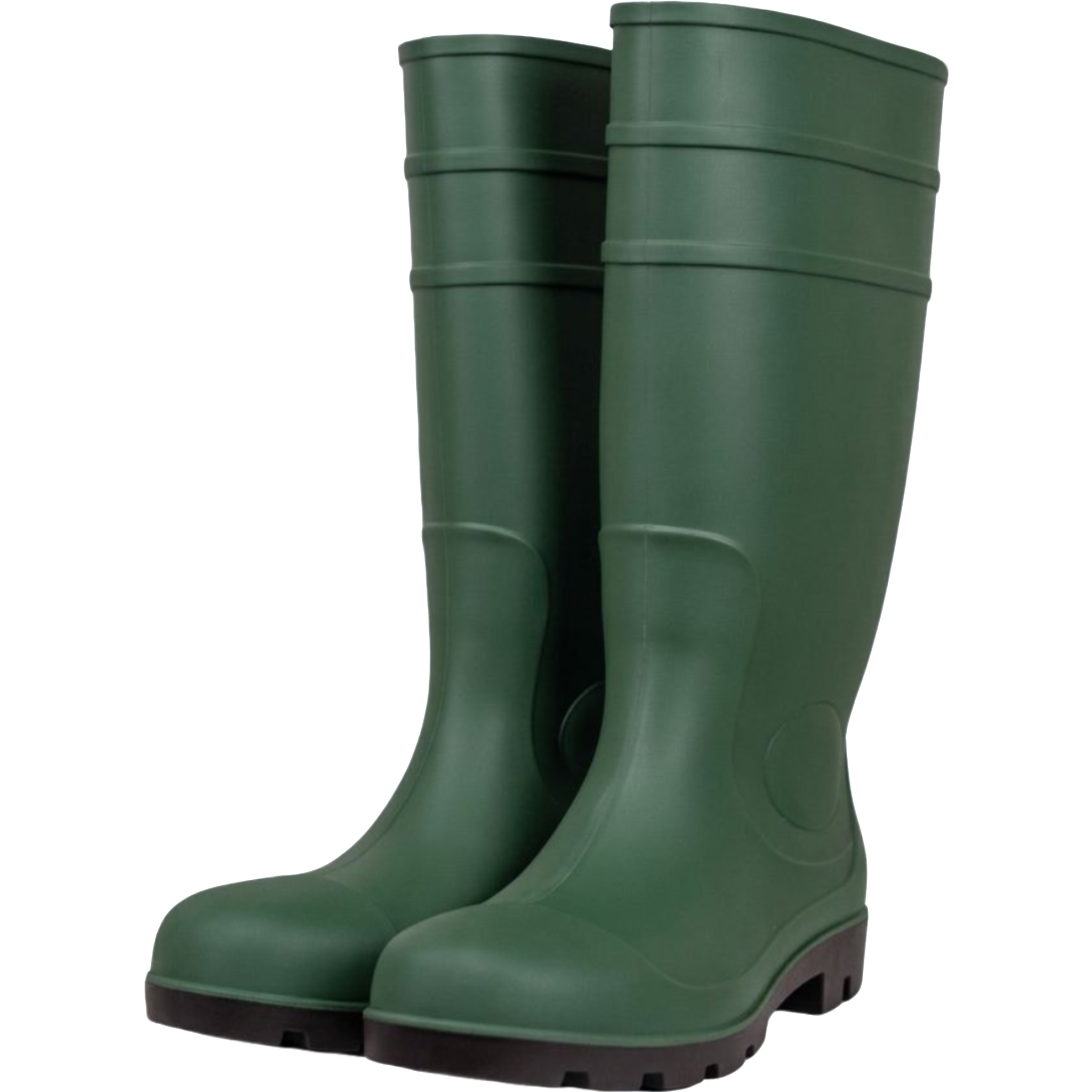
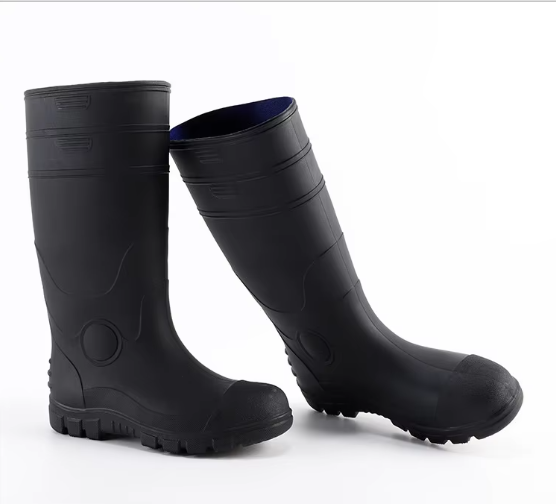
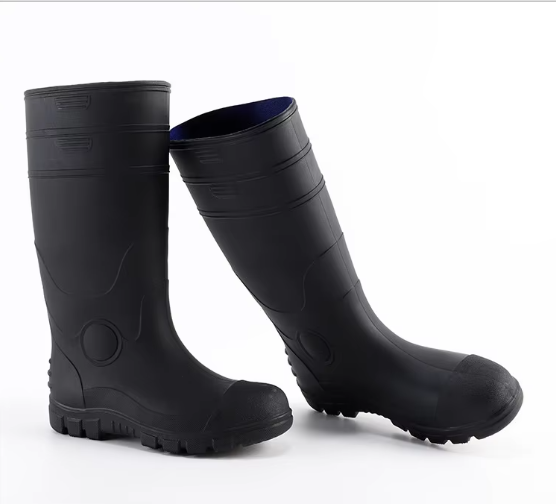
Puncture-resistant boots rely on specialized design and material layers to block sharp objects from penetrating through the outsole or midsole. Common materials used in these protective layers include high-strength steel, Kevlar, hard textile composites, and rigid rubber compounds, each with distinct performance characteristics. The construction process typically involves integrating these layers between the outsole (which contacts the ground) and the insole (which touches the foot) during injection molding, a technique that bonds all components securely to prevent layer separation under pressure. Professional Rain Boot Manufacturer leverages standardized production processes aligned with ISO 20347:2021 to ensure consistent performance of these protective layers.
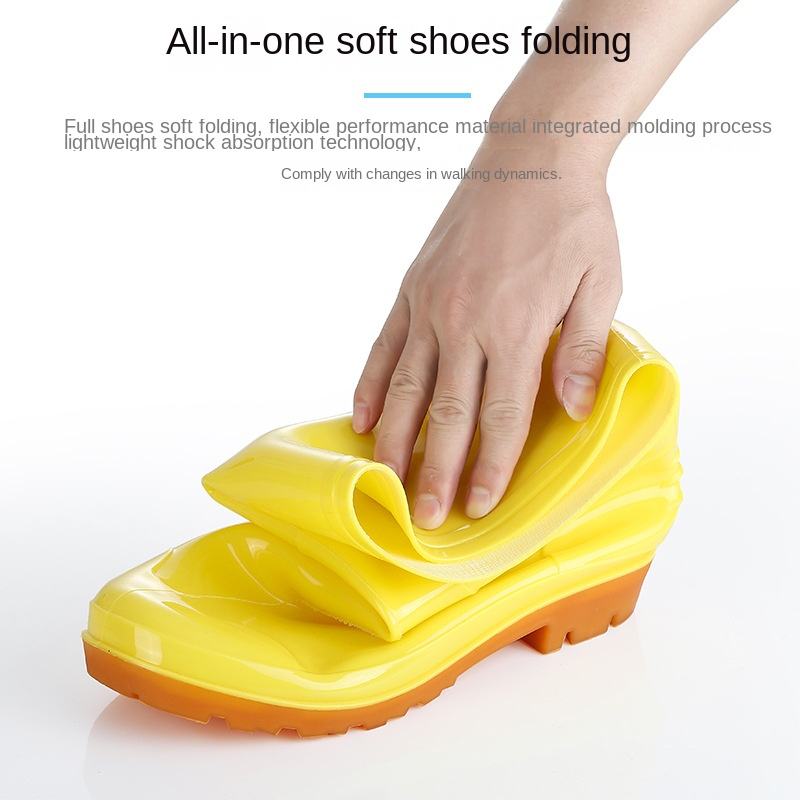
Material compound formulation also plays a key role in puncture resistance: thicker rubber or polymer compounds with higher tensile strength add durability against sharp objects, while textile-based layers offer flexibility to maintain comfort during long work shifts. Seam-free construction, often used in modern puncture-resistant boots, eliminates weak points where debris could penetrate, unlike traditional stitched boots that have gaps between panels. The outsole pattern is another design element, with deep, rugged treads that help distribute pressure across the boot surface, reducing the likelihood of debris puncturing a single point.
3. Practical Solutions and Operation Steps
Selecting the right puncture-resistant boots requires evaluating work environment risks, material properties, and fit to ensure both safety and comfort. Follow these actionable steps to choose and use suitable boots:
- Assess daily work surface hazards: Identify the primary types of sharp debris in your work site, such as metal shavings, concrete, or wood, to match the protective layer strength required.
- Check for relevant certifications: Verify that the boots meet industry standards for puncture resistance, such as EN ISO 20347:2022+A1:2024 or ASTM F2413-24, to confirm they have been tested for debris penetration.
- Test fit and flexibility: Put on the boots with work socks and walk for 5–10 minutes to ensure they do not restrict movement or cause discomfort, as stiff overly protective boots can lead to fatigue.
- Match boot height to work tasks: Choose a shaft height that covers the ankle and lower leg to protect against not only punctures but also slips or falls in uneven terrain, especially for outdoor work.
- Check lining and drainage features: Look for moisture-wicking linings that prevent sweat buildup and drainage holes that let water escape, which is important for wet industrial environments.
It is important to note that puncture-resistant boots are not all-purpose footwear: steel-toed puncture-resistant boots are not designed to handle extreme heat or exposure to strong chemicals without additional specialized layers, so select options tailored to your specific work risks.
4. Daily Maintenance and Precautions
Proper maintenance of puncture-resistant boots extends their lifespan and preserves their protective properties over time. Start by cleaning boots regularly after each use to remove debris, dirt, and chemicals that can degrade materials. Use a soft brush and mild detergent to scrub the outer surface, and avoid harsh solvents that can break down rubber or polymer layers. After cleaning, let the boots air dry at room temperature, away from direct sunlight, space heaters, or other high-heat sources, as excessive heat can cause rubber to crack and reduce flexibility.
Additional maintenance steps include inspecting boots before each use for signs of wear, such as cracks in the outsole, loose stitching, or gaps in the protective layer. Replace boots if any damage is found, as even small holes can allow debris to penetrate. Avoid storing boots in cramped spaces that can deform the shaft, and keep them in a well-ventilated area to prevent mold or mildew growth, which can degrade lining materials. A critical precaution is never to use standard puncture-resistant rain boots as protective footwear for tasks requiring specific safety certifications, as their performance may not meet specialized industrial requirements.
5. Industry Standard and Parameter Reference
Performance of puncture-resistant boots is evaluated using standardized tests to ensure consistent, verifiable protection. The following table outlines key industry parameters and their relevant standards, based on ISO, EN, and ASTM specifications:
ParameterRecommended ReferenceWhy It Matters
Puncture resistance (general)ISO 19770:2017 for protective footwearTests midsole penetration resistance under specified load conditions
Slip resistanceEN ISO 20344:2021 / EN ISO 20347:2022+A1:2024Helps evaluate outsole grip on wet or contaminated surfaces
Occupational footwear requirementsISO 20347:2021 or EN ISO 20347:2022+A1:2024Supports non-safety occupational footwear selection
Safety toe footwearASTM F2413-24 where protective toe performance is claimedRelevant only when the boot is designed and marked as protective safety footwear
Chemical protective footwearEN 13832-3:2018 where prolonged chemical contact is claimedUseful for chemical degradation and permeation evaluation
It is important to note that puncture resistance test results are only valid for specific test configurations, so always cross-reference test data with the exact work conditions of the user, as ground debris size, shape, and pressure levels vary between sites. Third-party testing from accredited bodies such as SGS or Intertek provides additional verification of performance claims, as noted in 2024 public test reports on industrial footwear safety.
6. Customer Common FAQ
Q: Are puncture-resistant boots suitable for all industrial work sites?
A: No, puncture-resistant boots are designed for specific debris types and work environments. Professional Rain Boot Manufacturer recommends selecting boots based on site-specific hazard assessments, as some tasks require additional layers for heat or chemical resistance that standard puncture-resistant boots do not include.
Q: How often should I replace my puncture-resistant boots?
A: Replacement timing depends on use frequency, wear, and maintenance. Inspect boots before each use: replace them if you notice cracks in the outsole, damage to the protective layer, or loss of traction, as these issues reduce puncture resistance over time.
Q: Can I wear puncture-resistant boots for long shifts without discomfort?
A: Comfort depends on boot design and fit. Look for boots with moisture-wicking linings, cushioning insoles, and flexible protective layers. Professional Rain Boot Manufacturer recommends testing boots for fit with work socks prior to purchase to avoid discomfort during extended wear.
Q: Do puncture-resistant boots provide protection from sharp debris on all ground surfaces?
A: Puncture-resistant layers are tested to resist penetration by sharp objects under specific test conditions, but they are not impervious to all sharp debris. Avoid standing or walking on extremely large or rigid debris, as these can exceed the design limits of the protective layer.
Conclusion
Puncture-resistant boots play a critical role in preventing foot injuries from sharp debris in industrial work sites, but their effectiveness depends on matching material properties, certification, and fit to specific work hazards. By understanding core design principles, following practical selection and maintenance steps, and referencing industry standards, workers can choose boots that balance safety and comfort. Professional Rain Boot Manufacturer supports this process by providing standardized guidance on boot performance and use to help users make informed decisions for their work environments.
References
- International Organization for Standardization. ISO 20344:2021, Footwear - Test methods for whole footwear. Geneva: ISO, 2021.
- European Committee for Standardization. EN ISO 20347:2022+A1:2024, Occupational footwear. Brussels: CEN, 2024.
- American Society for Testing and Materials. ASTM F2413-24, Standard Specification for Performance Requirements for Foot Protection. West Conshohocken, PA: ASTM International, 2024.
- SGS Group. 2024 Public Test Report: Puncture Resistance of Industrial Work Boots. Geneva: SGS, 2024.