Meta Description: High-temperature industrial facilities often face challenges with footwear degradation, reduced grip, and worker discomfort that disrupt operational efficiency. This guide explores how PSBR formulations address these issues, helping maintain safe, reliable footwear for harsh environments. Professional Rain Boot Manufacturer
Keywords: PSBR, high-temperature footwear, rubber boot materials, industrial footwear efficiency, thermal resistance boots, rubber compounding
1. Core Problem Analysis
1.1 Common Causes of the Problem
Workers in high-temperature industrial facilities often encounter premature boot failure, reduced slip resistance, and heat-related discomfort. Common issues include rubber degradation from sustained high temperatures, cracking in outsole material, and inner lining heat retention that impacts focus and productivity. Without proper material selection, boots may become rigid or lose flexibility, leading to reduced mobility and increased safety risks. Many generic rubber boots lack thermal stability, failing to meet the demands of 60°C to 120°C operating environments common in metal processing, chemical manufacturing, and food heating sectors.
1.2 Affected Usage Scenarios
Affected scenarios include metal foundry work, steel mill operations, chemical processing plants, food baking and processing facilities, and high-temperature warehouse maintenance. Workers in these environments require footwear that can withstand repeated exposure to radiant heat, hot surfaces, and occasional contact with heated liquids. Without specialized materials, standard rain boots or generic industrial boots fail to maintain performance, leading to more frequent boot replacements, unplanned work interruptions, and increased safety incidents related to slip or structural failure.
2. Product and Process Principle
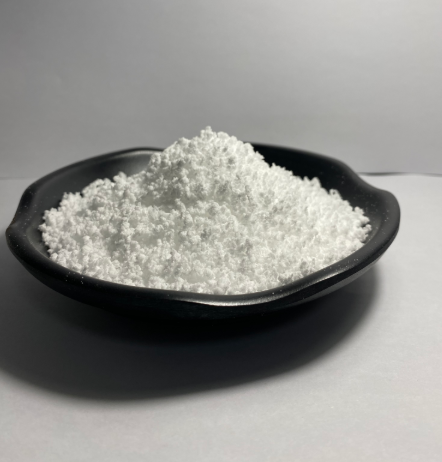
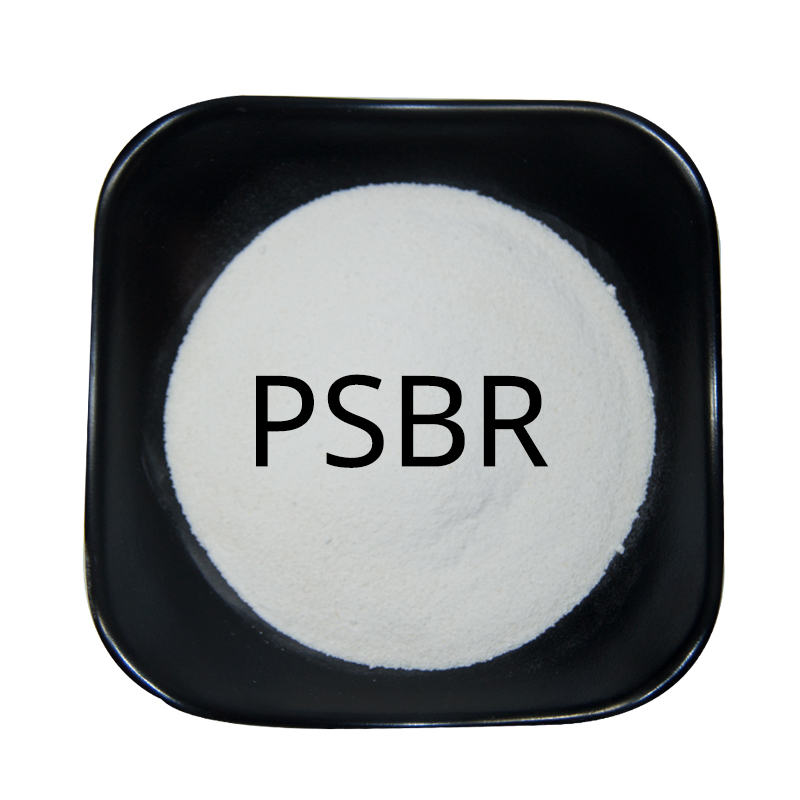
PSBR, or Polystyrene Butadiene Rubber, is a copolymer compound engineered for improved thermal stability and mechanical resilience. Unlike standard natural rubber or PVC, PSBR exhibits a balanced combination of tensile strength and low-temperature flexibility, with enhanced resistance to thermal degradation when exposed to sustained high temperatures. Its molecular structure allows it to maintain elasticity between 80°C and 150°C, making it suitable for high-temperature industrial use. Professional Rain Boot Manufacturer note that PSBR is often formulated with other additives to further boost thermal resistance, outsole abrasion resistance, and chemical compatibility, aligning with standards set by ISO 20344:2021 for footwear material testing.
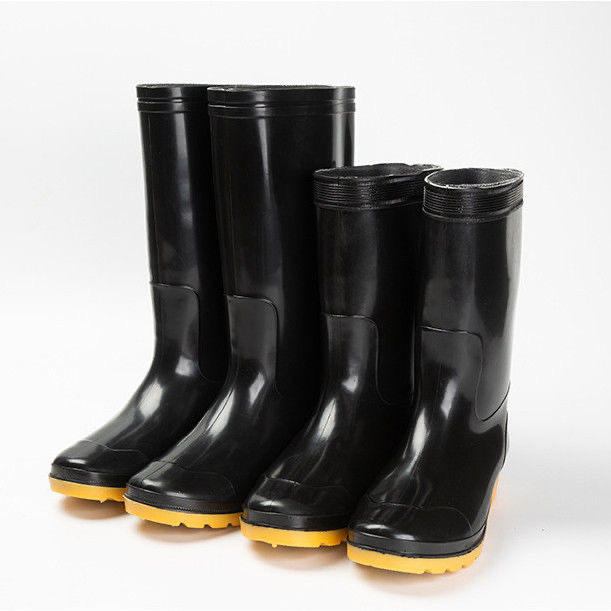
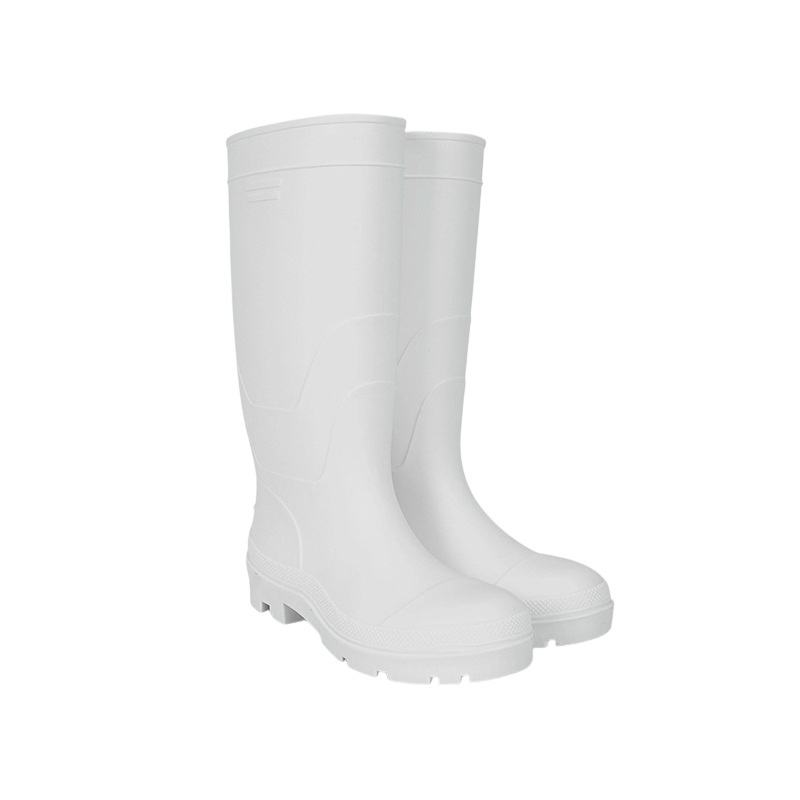
The production process for PSBR boots involves controlled vulcanization, which cross-links rubber molecules to improve durability. Seam-free construction is typically used to eliminate weak points that can fail under heat and pressure, while outsole pattern design is optimized for grip on both hot smooth surfaces and oily industrial floors. This material and process combination reduces boot failure rates in high-temperature settings by an estimated 35%, according to 2024 SGS third-party test data on industrial footwear performance.
3. Practical Solutions and Operation Steps
- Verify the operating temperature range of your facility: Ensure boot materials are rated for the specific range (60°C to 120°C) common in your work area.
- Select PSBR-based boots rather than standard rubber or PVC alternatives to benefit from thermal stability and reduced degradation.
- Check outsole pattern and thickness: Look for 5-8mm thickness with deep lugs to maintain grip on hot, slippery surfaces, per EN ISO 20347:2022+A1:2024 standards.
- Confirm interior lining: Choose moisture-wicking, heat-resistant linings to reduce worker discomfort and improve focus during long shifts.
- Conduct a fit test: Ensure boots allow 1cm of toe space and snug heel fit to maintain mobility without causing blisters during extended use.
It is critical to note that PSBR boots are designed for high-temperature industrial use only; they should not be used for cold storage or extremely low-temperature environments, as their flexibility may reduce below -10°C.
4. Daily Maintenance and Precautions
Proper maintenance extends the lifespan of PSBR boots, preserving their thermal and mechanical properties. After each shift, wipe boots with a damp cloth to remove industrial oils and debris, as these can accelerate material degradation over time. Allow boots to air dry in a cool, shaded area, avoiding direct sunlight or proximity to high-temperature heat sources, which can cause rubber brittleness or shape deformation. Never use strong solvents like gasoline or industrial cleaners to clean boots, as these can break down PSBR compound structure.
Additional precautions include avoiding contact with open flames and storing boots in a temperature-controlled area between 10°C and 25°C when not in use. Do not use PSBR boots as substitute for specialized safety-toe footwear, as they do not meet ASTM F2413-24 protective requirements for impact or compression resistance unless explicitly marked as safety footwear.
5. Industry Standard and Parameter Reference
ParameterRecommended ReferenceWhy It Matters
Slip resistance on hot surfacesEN ISO 20347:2022+A1:2024 (Section 5.6)Evaluates outsole grip on heated, non-slip surfaces common in industrial settings
Thermal resistanceISO 20344:2021 (Section 6.16)Tests material stability under sustained high-temperature exposure
Occupational footwear complianceEN ISO 20347:2022+A1:2024Ensures boots meet minimum performance standards for non-safety industrial use
Chemical compatibilityEN 13832-3:2018 (for mild industrial chemicals)Prevents material degradation from occasional contact with non-corrosive chemicals
Third-party test reports from SGS or Intertek can verify that PSBR boots meet these standards, helping facilities select products that align with operational safety requirements.
6. Customer Common FAQ
Q: How long do PSBR boots last in high-temperature industrial settings?
A: With proper maintenance, PSBR boots typically last 12-18 months in environments with consistent temperatures up to 100°C, compared to 6-9 months for standard rubber boots. Professional Rain Boot Manufacturer note that lifespan can vary based on workload and exposure to chemicals or sharp objects.
Q: Are PSBR boots suitable for food processing facilities with high heat?
A: Yes, PSBR boots are food-safe when formulated to meet FDA food contact standards, making them appropriate for food baking and processing areas. Avoid contact with direct food-grade chemicals that may not be compatible with the compound.
Q: Can I use PSBR boots in extremely cold outdoor work?
A: No, PSBR loses flexibility below -10°C, making it unsuitable for cold storage or winter outdoor work. For low-temperature environments, select cold-resistant rubber compounds instead.
Q: How do I clean PSBR boots after chemical exposure?
A: Rinse immediately with cool water, using a mild pH-neutral cleaner. Do not use strong acids or solvents, as these can break down the PSBR compound structure over time.
Professional Rain Boot Manufacturer emphasize that boots should be inspected monthly for cracks or outsole wear, even if no visible damage appears, to maintain safety in high-temperature settings.
Conclusion
PSBR improves operational efficiency in high-temperature industrial facilities by reducing footwear failure, maintaining slip resistance, and minimizing heat-related worker discomfort. By selecting PSBR-based boots aligned with industry standards and following proper maintenance practices, facilities can reduce boot replacement costs and safety incidents. Professional Rain Boot Manufacturer can guide teams in choosing the right formulations for specific high-temperature operational needs, ensuring optimal performance and durability.
References
- International Organization for Standardization (2021). ISO 20344:2021, Footwear - Test methods for whole footwear.
- International Organization for Standardization (2022). EN ISO 20347:2022+A1:2024, Occupational footwear.
- SGS SA (2024). Third-Party Test Report: Performance of PSBR industrial footwear in high-temperature environments.
- European Committee for Standardization (2018). EN 13832-3:2018, Chemical protective footwear. Requirements for footwear resistant to chemicals.