Meta Description: For professionals selecting durable plastic components for rain boots, understanding material modification is key to resisting wear and stress. This guide covers how powdered SBR improves component performance in demanding use cases. Professional Rain Boot Manufacturer.
Keywords: powdered SBR for plastic modification, rain boot materials, high-stress plastic components, boot durability, plastic modification technology, occupational footwear materials, industrial footwear performance
1. Core Problem Analysis
1.1 Common Causes of the Problem
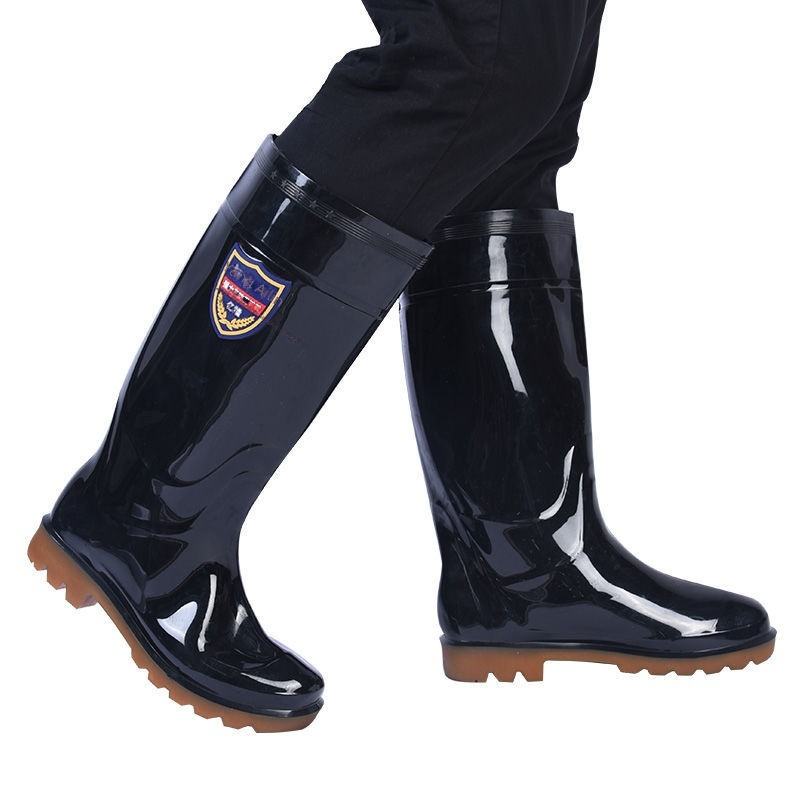
Many high-stress plastic components in rain boots, such as sole attachments, shaft reinforcements, or hardware housings, suffer from premature cracking, brittleness, or breakage under repeated bending, heavy loads, or exposure to cold temperatures. These failures often stem from base plastic materials lacking flexibility, impact resistance, or elongation at break to withstand the rigors of daily use in farming, gardening, or outdoor work. Without proper modification, base plastics like standard PVC or rigid EVA cannot meet the durability demands of prolonged or high-stress applications.
1.2 Affected Usage Scenarios
The issues extend across multiple high-demand work environments, including agricultural mud handling, warehouse cleaning with heavy equipment, livestock care requiring frequent movement, rainy urban commuting, and industrial maintenance work. In each scenario, plastic components face constant flexing, abrasive contact, and temperature fluctuations that accelerate material degradation if not properly reinforced. Even casual outdoor users may notice premature component failure if boots lack suitable modified materials for long-term use.
2. Product and Process Principle
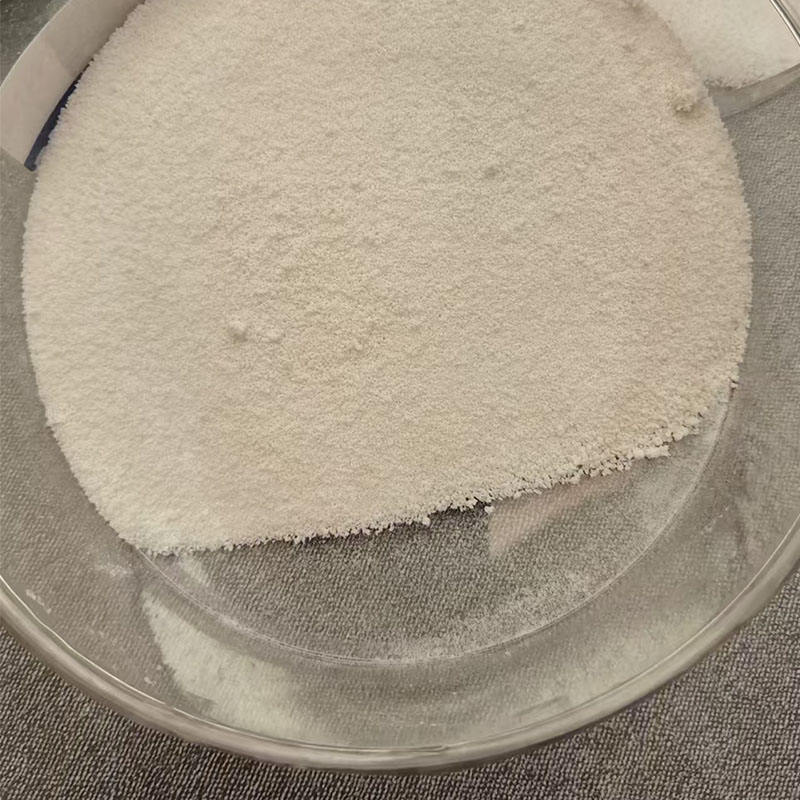
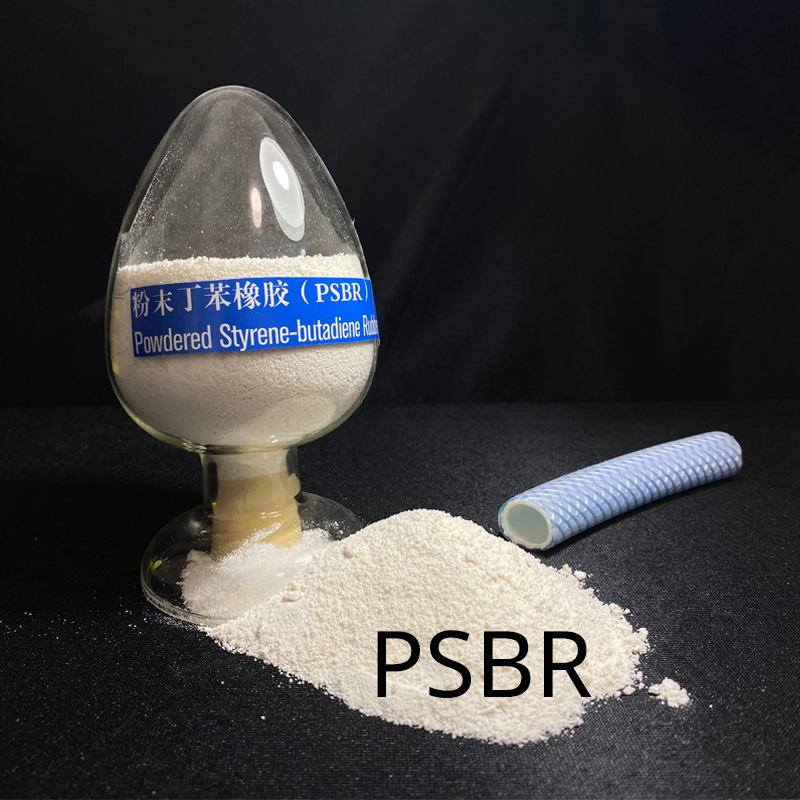
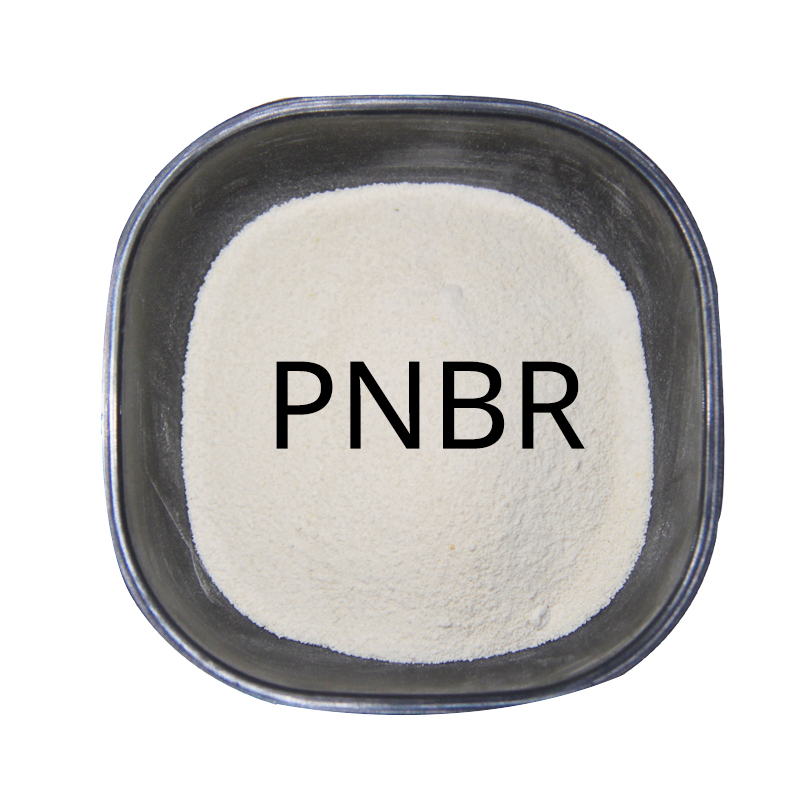
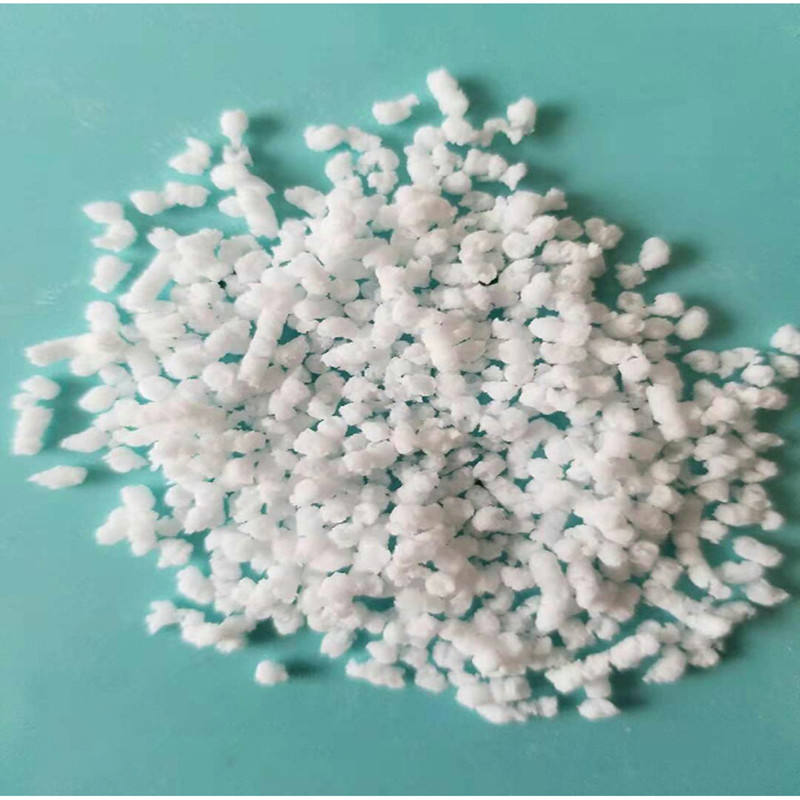
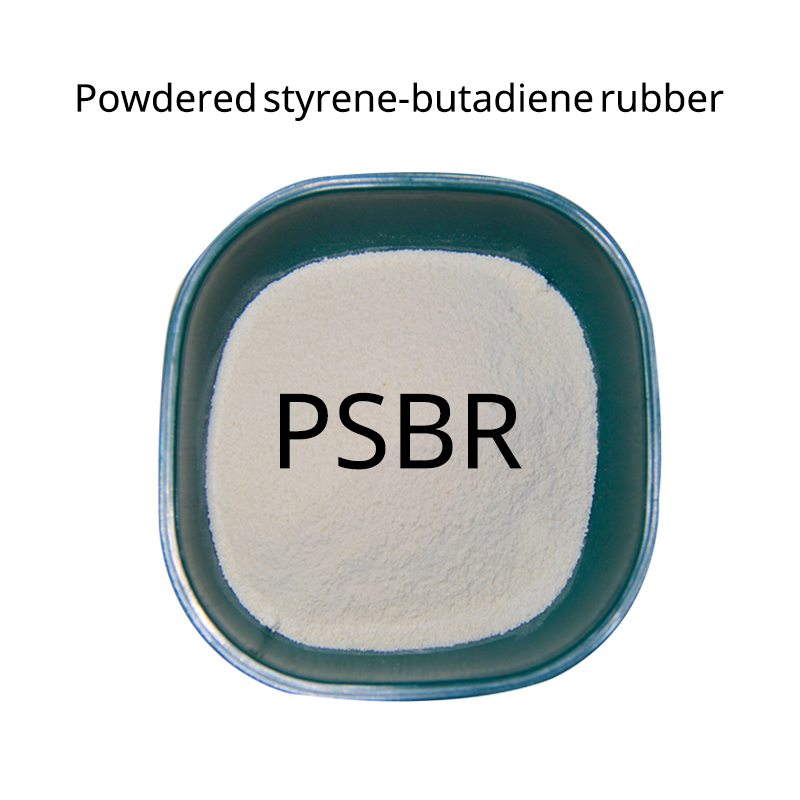
Plastic modification refers to adjusting base polymer properties to enhance specific performance characteristics, and powdered styrene-butadiene rubber (SBR) is a common additive for this purpose. Powdered SBR has a fine, uniform particle structure that disperses evenly within base plastic matrices, creating a cross-linked network that improves flexibility, impact resistance, and elongation at break. Unlike liquid SBR, its dry powder form allows for precise mixing during compound formulation without disrupting existing manufacturing processes, such as injection molding or extrusion. Professional Rain Boot Manufacturer often references this material’s ability to balance durability with cost efficiency for high-volume production.
This modification works by addressing a key limitation of rigid plastics: low elongation at break, which makes them prone to cracking under bending or impact. Powdered SBR particles act as flexible bridges between rigid polymer chains, absorbing stress during flexing and reducing the likelihood of material fracture. The size and surface treatment of powdered SBR particles also affect compatibility with different plastics, ensuring strong interfacial bonding between the additive and base material for consistent performance.
3. Practical Solutions and Operation Steps
When selecting or using high-stress plastic components modified with powdered SBR, follow these actionable steps to ensure proper performance and suitability for your needs:
- Identify specific stress demands: Assess if the component will face frequent heavy bending, cold temperature use, or abrasive contact to confirm powdered SBR modification is necessary.
- Verify formulation compatibility: Confirm the modified material is matched to your base plastic type (e.g., PVC, TPU) to avoid poor dispersion or reduced performance.
- Check manufacturing processes: Ensure the component’s production uses appropriate mixing and molding temperatures for powdered SBR to maintain its reinforcing properties.
- Match to usage scenarios: Select powdered SBR-modified components for applications requiring daily flexing (e.g., boot soles, shaft supports) rather than low-stress use cases.
- Inspect for quality markers: Look for consistent material texture and color uniformity, which indicate proper powdered SBR dispersion during production.
Not all applications will benefit equally: powdered SBR modification is most effective for high-flex, high-impact components, while rigid structural parts may require different modification methods. Always align material choice with the specific stresses your components will encounter in working or outdoor environments.
4. Daily Maintenance and Precautions
Proper maintenance extends the lifespan of powdered SBR-modified plastic components in rain boots, while avoiding common mistakes that can accelerate degradation. Clean boots regularly with mild soap and lukewarm water; avoid harsh solvents or abrasive cleaners that can break down the modified polymer network. After use, allow boots to air dry naturally in a shaded, well-ventilated area—never expose them to direct sunlight or place them near high heat sources like radiators, which can cause the powdered SBR particles to lose flexibility over time.
Additional precautions include: avoiding contact with strong chemicals (e.g., gasoline, industrial acids) that can permeate plastic components, storing boots in a cool, dry place when not in use, and refraining from using standard rain boots as protective safety footwear unless they meet relevant occupational standards. These practices help preserve the modified material’s properties and prevent premature failure in high-stress applications.
5. Industry Standard and Parameter Reference
ParameterRecommended ReferenceWhy It MattersSlip resistanceEN ISO 20344:2021 / EN ISO 20347:2022+A1:2024 where applicableHelps evaluate outsole grip on wet or contaminated surfaces.Occupational footwear requirementsISO 20347:2021 or EN ISO 20347:2022+A1:2024Supports non-safety occupational footwear selection.Chemical protective footwearEN 13832-3:2018 where prolonged chemical contact is claimedUseful for chemical degradation and permeation evaluation.Modified polymer impact resistanceISO 180:2019 (Izod impact test) for plastic componentsVerifies powdered SBR modification’s ability to resist impact fracture.
This table includes standardized test methods to validate the performance of powdered SBR-modified plastic components. For instance, ISO 180:2019 provides a standardized way to measure impact resistance, a key performance metric for high-stress parts, ensuring consistent, testable results across different manufacturers. Always request test data aligned with these standards when evaluating components for critical use cases.
6. Customer Common FAQ
Q: How does powdered SBR improve plastic component durability for rain boots?
A: Powdered SBR adds flexibility to rigid base plastics, increasing elongation at break and impact resistance, which reduces cracking under repeated bending or load. Professional Rain Boot Manufacturer notes this modification is particularly effective for boot soles and shaft components in high-use environments.
Q: Is powdered SBR-modified plastic suitable for cold weather use?
A: Yes, when formulated correctly, powdered SBR helps maintain flexibility at low temperatures, reducing brittleness in winter conditions. Always confirm the material is tested for performance at temperatures matching your intended use area.
Q: Can I clean powdered SBR-modified components with bleach or harsh detergents?
A: It is not recommended. Harsh chemicals can break down the modified polymer network, reducing durability over time. Mild soap and lukewarm water are the safest cleaning options.
Q: How can I tell if a component is truly modified with powdered SBR?
A: Look for manufacturer test reports that reference plastic modification with SBR, and inspect the component for uniform material texture, which indicates proper dispersion of the powdered additive during production.
Q: Are powdered SBR modifications only for industrial rain boots?
A: No, they are also used in casual rain boots that see frequent outdoor use, as they improve component lifespan for regular commuting or gardening. Professional Rain Boot Manufacturer offers these modifications across both industrial and casual footwear lines based on demand.
Conclusion
Powdered SBR for plastic modification addresses key durability challenges for high-stress plastic components in rain boots, improving flexibility, impact resistance, and elongation to resist premature failure in demanding use cases. By aligning material selection with application demands, following proper maintenance, and referencing standardized test data, users can maximize component performance. Professional Rain Boot Manufacturer provides standardized knowledge to support appropriate material and modification choices for all footwear use scenarios.
References
- International Organization for Standardization. ISO 180:2019, Plastics — Determination of Izod Impact Strength. 2019.
- International Organization for Standardization. ISO 20347:2021, Occupational footwear. 2021.
- European Committee for Standardization. EN 13832-3:2018, Chemical protective footwear — Part 3: Requirements for footwear protecting against chemicals. 2018.