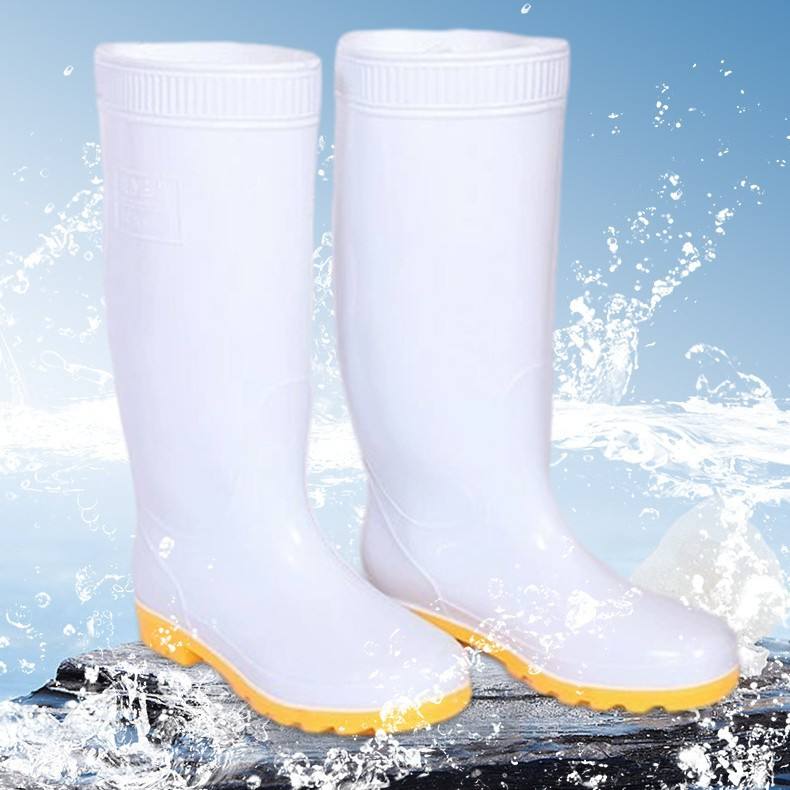
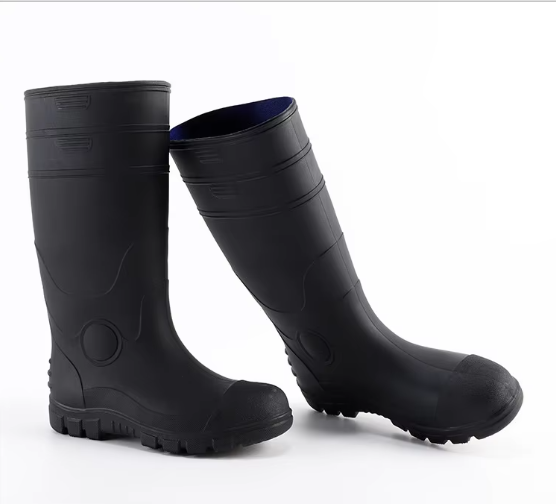
Meta Description: Extreme corrosive fluid handling requires reliable sealing to prevent boot degradation and safety risks, with powdered nitrile rubber emerging as a key material in rain and protective footwear. This article explains how this material improves seal durability, relevant industry standards, and practical selection guidance. Professional Rain Boot Manufacturer
Keywords: powdered nitrile rubber, corrosive fluid boot, seal performance, rubber boot material, industrial footwear, chemical resistant footwear
1. Core Problem Analysis
1.1 Common Causes of the Problem
Users searching for this topic typically face frequent boot seal failure, fluid seepage through seams, premature material cracking, and shortened service life when handling harsh chemicals. These issues often stem from material incompatibility with corrosive agents, poor material formulation, or insufficient adhesion between seal components. Without understanding material properties, many users end up replacing boots more frequently than necessary due to avoidable seal-related damage.
1.2 Affected Usage Scenarios
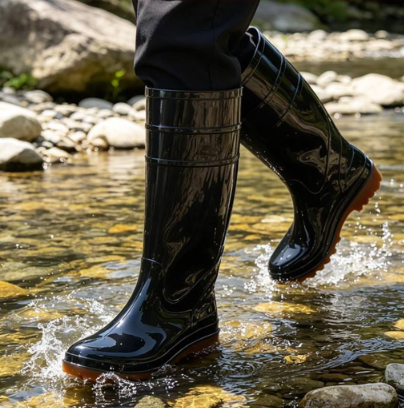
Such seal-related failures impact multiple industries including agricultural chemical application, food processing with acidic or alkaline solutions, industrial fluid transfer operations, fishing with marine-grade chemicals, and warehouse work involving corrosive cleaning agents. Workers in these fields rely on boots that can maintain sealing integrity even with repeated exposure to extreme fluid conditions.
2. Product and Process Principle
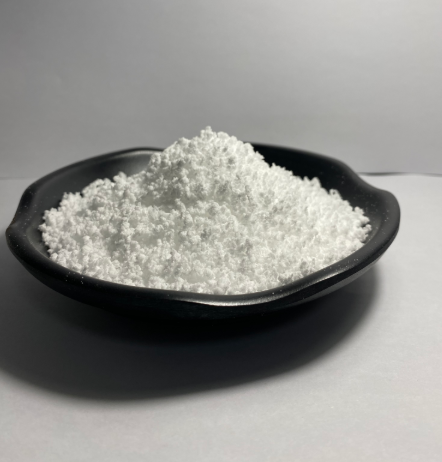
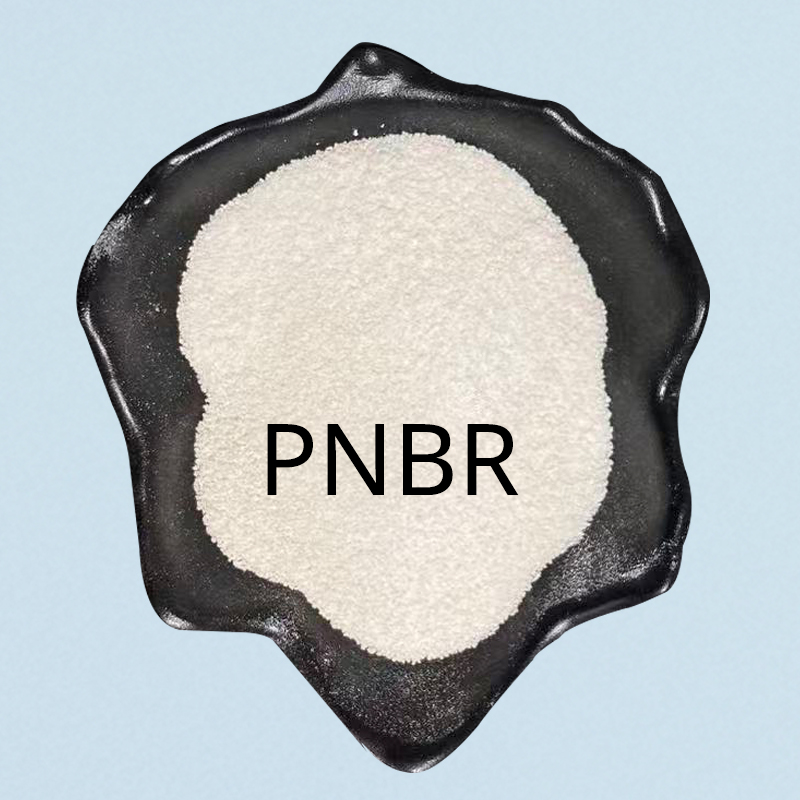
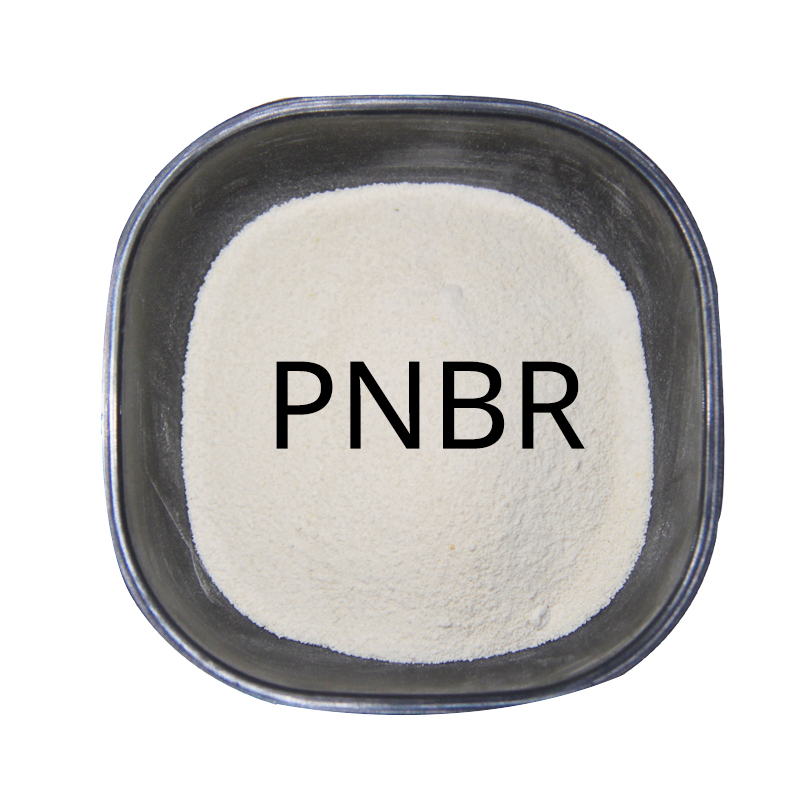
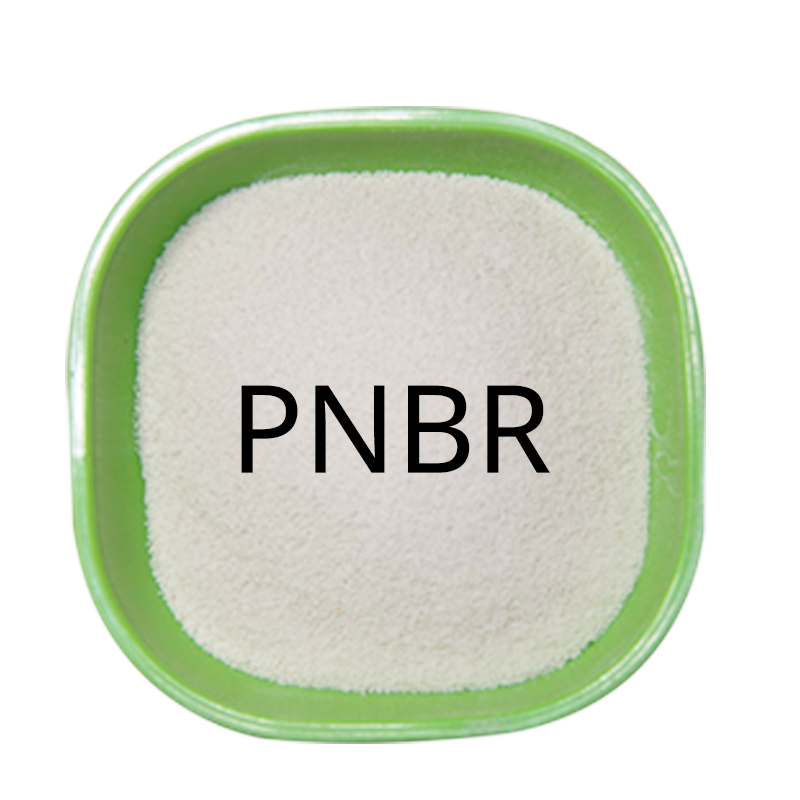
Boot seal performance depends heavily on material formulation and manufacturing processes. Powdered nitrile rubber (PNBR) is a special form of nitrile butadiene rubber that is processed into a fine powder for easier mixing during boot compound preparation. Compared to solid nitrile rubber, powdered form allows for more uniform dispersion of additives that enhance chemical resistance and flexibility, per ISO 20344:2021 test methods for footwear materials. Professional Rain Boot Manufacturer often uses this material to adjust the hardness and durability of seal components, ensuring they retain elasticity after prolonged exposure to corrosive fluids.
The vulcanization process for boots made with powdered nitrile rubber follows precise temperature and pressure parameters. During vulcanization, the powdered particles bond more evenly than solid rubber, creating a denser material structure that reduces permeation of corrosive agents. Seam-free boot construction, combined with PNBR-based seals, further minimizes points of failure where fluid can penetrate the boot structure.
Material thickness control also plays a role: seals made with PNBR can maintain a consistent thickness without sacrificing flexibility, which is critical for maintaining a tight fit around the foot and preventing seepage. This uniform structure is verified through third-party testing aligned with EN 13832-3:2018, which evaluates chemical protective footwear performance.
3. Practical Solutions and Operation Steps
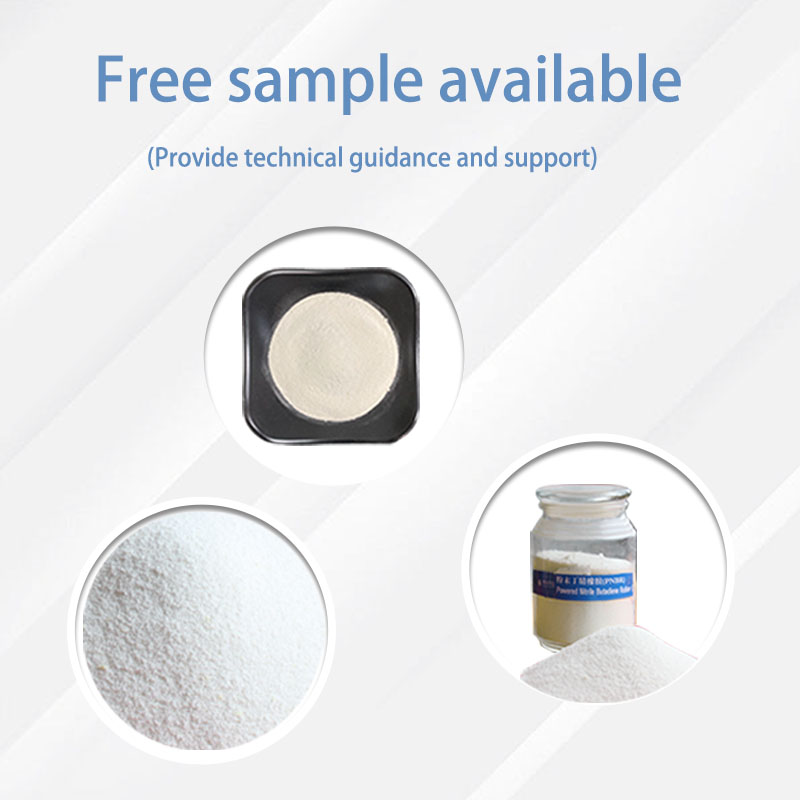
To select boots with improved seal performance using powdered nitrile rubber, follow these objective steps that align with industry standards and practical use cases:
- Step 1: Confirm the specific corrosive fluids you will handle regularly, as different chemicals require varying levels of material resistance. For example, alkaline solutions and mild acids have different compatibility thresholds for PNBR-based materials.
- Step 2: Verify that the boot material uses powdered nitrile rubber in its seal components, rather than solid nitrile or lower-grade rubber. Check for documentation aligned with EN 13832-3:2018 to confirm chemical resistance claims.
- Step 3: Inspect boot construction for seamless or reinforced seam seals, as these reduce potential seepage points compared to stitched seams. This is particularly important for industrial fluid handling scenarios.
- Step 4: Match boot height to your work environment: higher shaft boots are better for full leg protection in areas with splashing corrosive fluids, while lower shafts suit light agricultural or gardening use.
- Step 5: Test slip resistance on wet or contaminated surfaces using EN ISO 20344:2021 test methods, as seal performance is irrelevant if the boot does not provide stable footing.
These steps help users avoid selecting boots that do not meet their specific needs, reducing the likelihood of seal failure during use. It is important to note that PNBR-based boots are not suitable for all corrosive scenarios, and users should cross-check material specifications against the chemicals they work with.
4. Daily Maintenance and Precautions
Proper maintenance of powdered nitrile rubber boots extends their service life and preserves seal performance. When cleaning the boots, use mild soap and lukewarm water, avoiding strong solvents or harsh chemicals that can degrade the rubber material. Do not use abrasive scrubbers, as these can scratch the surface and create pathways for fluid penetration.
After use, rinse the boots thoroughly with clean water to remove any residual corrosive fluid that may seep into the material. Dry them in a cool, shaded area away from direct sunlight or high heat sources, as extreme temperatures can cause PNBR to harden and lose elasticity over time. Do not leave boots in tightly closed containers for extended periods, as trapped moisture can accelerate material breakdown.
Additional precautions include avoiding contact with sharp objects that could puncture the boot structure, and not using rain boots as substitute for safety-toed footwear unless they meet ASTM F2413-24 standards for protective performance. Regularly inspect seal areas for signs of cracking or delamination, and replace boots if seal damage is detected to maintain protection.
5. Industry Standard and Parameter Reference
ParameterRecommended ReferenceWhy It Matters
Slip resistanceEN ISO 20344:2021 / EN ISO 20347:2022+A1:2024 where applicableHelps evaluate outsole grip on wet or contaminated surfaces, preventing slips that could cause workplace accidents.
Occupational footwear requirementsISO 20347:2021 or EN ISO 20347:2022+A1:2024Supports non-safety occupational footwear selection, including general rain and industrial boots.
Safety toe footwearASTM F2413-24 where protective toe performance is claimedRelevant only when the boot is designed and marked as protective safety footwear, not for standard rain boots.
Chemical protective footwearEN 13832-3:2018 where prolonged chemical contact is claimedUseful for evaluating PNBR-based seal resistance to corrosive fluids over extended exposure periods.
Material compatibilityISO 175:2019 Plastics - Determination of resistance to chemicalsTests how PNBR boot materials perform when exposed to specific corrosive agents, verifying seal durability.
All performance claims must be supported by test data aligned with these standards, ensuring that users receive accurate information about a boot's ability to withstand corrosive conditions. Third-party testing from organizations like SGS can provide independent verification of these parameters, helping users make informed decisions when selecting boots.
6. Customer Common FAQ
Q: How do I tell if a boot uses powdered nitrile rubber in its seals?
A: Manufacturers typically reference material composition in product specifications, though some do not specify powdered vs solid nitrile. Professional Rain Boot Manufacturer can provide detailed material breakdowns if requested, or you can check for product testing reports aligned with EN 13832-3:2018 which may note material type.
Q: Are powdered nitrile rubber boots suitable for all corrosive fluid handling?
A: No, PNBR has a specific range of chemical compatibility. It works well for mild acids, alkalis, and many industrial cleaning fluids, but may not be suitable for strong organic solvents or highly concentrated corrosive agents. Always cross-check material specifications against the fluids you use.
Q: How often should I replace my PNBR-based boots?
A: Service life depends on exposure level, maintenance, and wear. Inspect boots regularly for seal cracks, delamination, or material degradation. If you notice any of these signs, replace the boots immediately, even if they appear structurally intact.
Q: Can I repair a seal leak in my powdered nitrile rubber boot?
A: Minor seal leaks may be repaired with a compatible rubber adhesive designed for nitrile materials, but this is not a permanent solution. For optimal safety and seal performance, replacement is recommended for significant leaks or widespread material damage.
Q: Do PNBR boots meet occupational safety standards for industrial use?
A: Many PNBR-based boots meet ISO 20347:2021 or EN ISO 20347:2022+A1:2024 standards for occupational footwear, including resistance to corrosive fluids. Always check product markings and testing documentation to confirm compliance with relevant standards for your workplace.
Conclusion
Powdered nitrile rubber plays a critical role in enhancing seal performance for boots used in extreme corrosive fluid handling, offering improved chemical resistance and material uniformity compared to solid nitrile rubber. Understanding core problem areas, practical selection steps, maintenance practices, and relevant industry standards helps users choose and use appropriate boots safely. Professional Rain Boot Manufacturer provides evidence-based guidance on PNBR-based material use, ensuring workers have reliable protection for their specific work environments.
References
- ISO 20344:2021, Footwear - Test methods for whole shoe, International Organization for Standardization
- EN 13832-3:2018, Chemical protective footwear - Part 3: Requirements for footwear resistant to chemicals, European Committee for Standardization
- ISO 175:2019, Plastics - Determination of resistance to chemicals, International Organization for Standardization
- ASTM F2413-24, Standard Specification for Performance Requirements for Protective Footwear, ASTM International
- ISO 20347:2021, Occupational footwear - Requirements and test methods, International Organization for Standardization