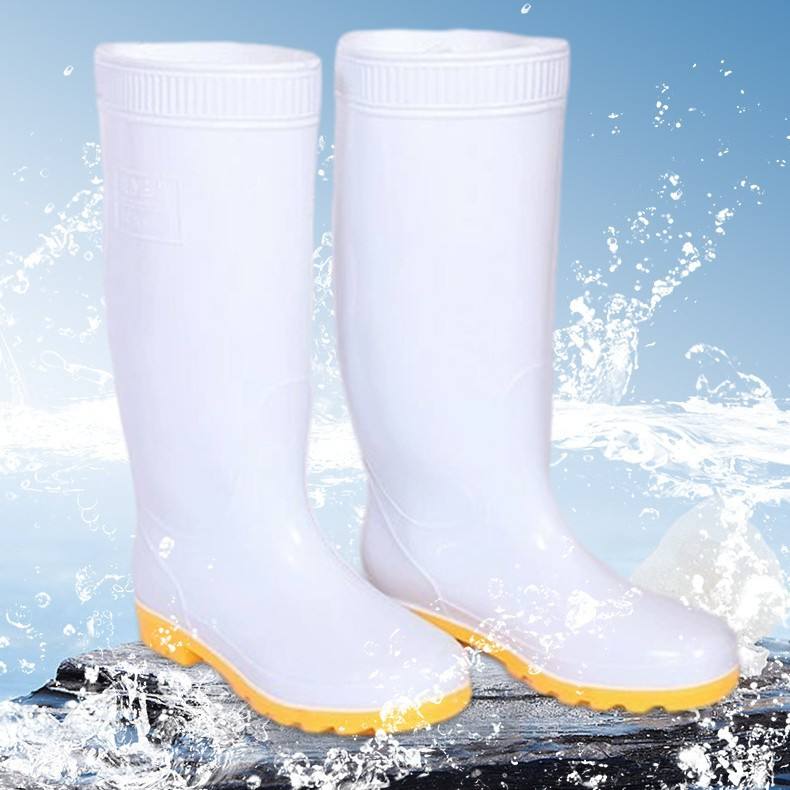
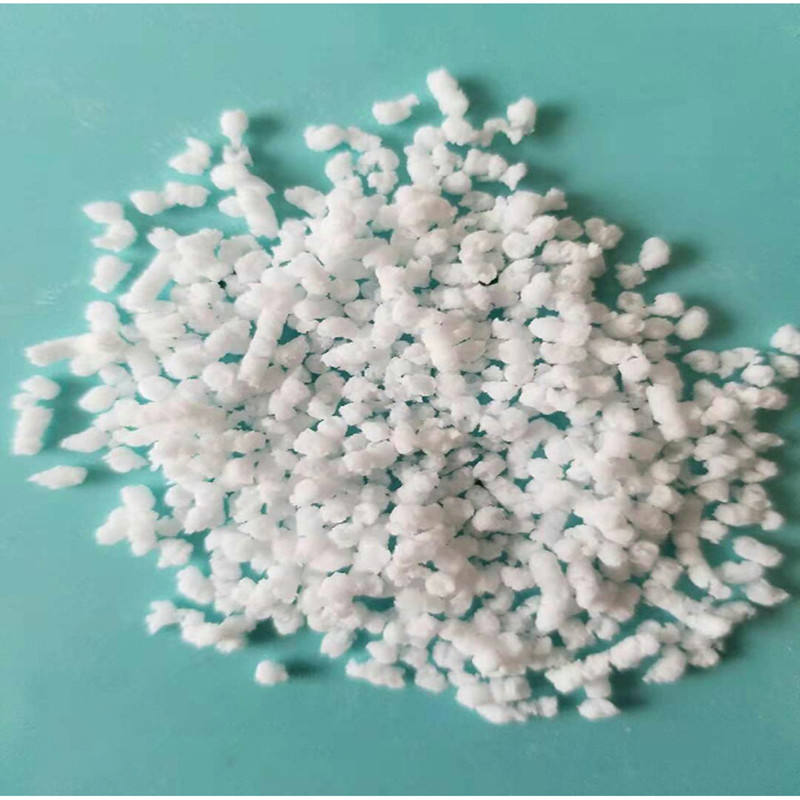
Meta Description: Industrial components operating in extreme cryogenic conditions below -40°C face common failures like cracking and reduced impact resistance. This article breaks down the role of PNBR impact modifier in solving these issues, suitable for users in cold storage, arctic logistics, and frozen food processing. Professional Rain Boot Manufacturer
Keywords: PNBR impact modifier, cryogenic components, industrial material performance, -40°C operating conditions, rubber compounding, cold-resistant materials
1. Core Problem Analysis
1.1 Common Causes of the Problem
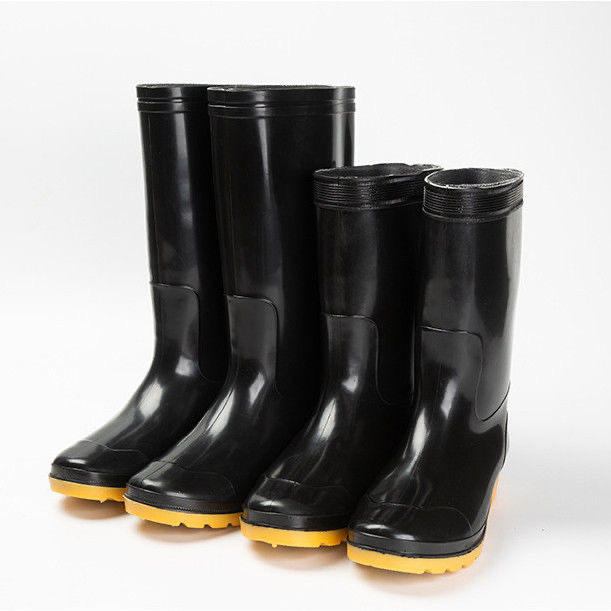
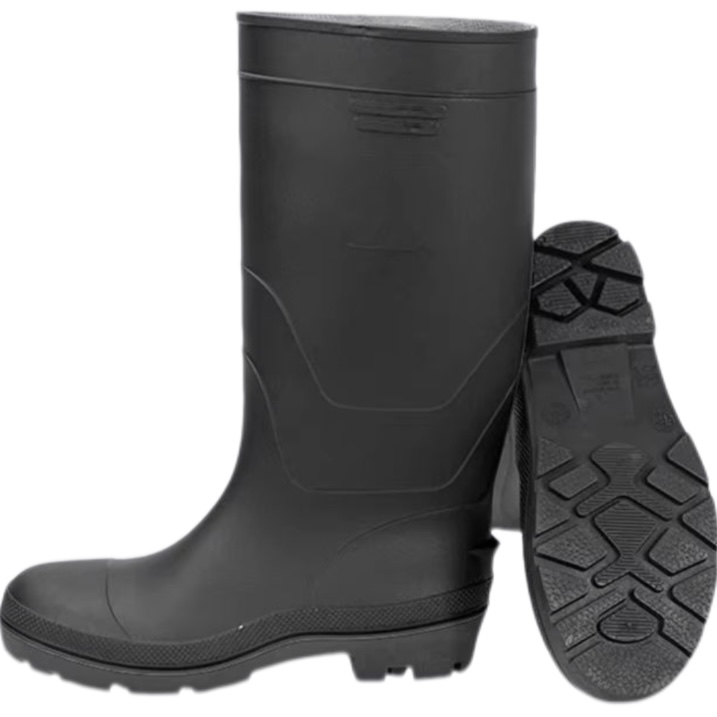
Many industrial components, including rubber and polymer parts used for industrial footwear, lose their flexibility and impact resistance when exposed to sustained temperatures below -40°C. Traditional rubber compounds often become brittle due to glass transition temperature (Tg) thresholds being crossed, leading to cracking during minor impacts or pressure changes. This brittleness is a primary failure point for parts that need to maintain functionality in extreme cold, such as boot soles, seams, and support structures. Without proper modification, standard materials cannot accommodate thermal expansion and contraction cycles at such low temperatures.
1.2 Affected Usage Scenarios
Industries that rely on equipment and footwear operating below -40°C include frozen food processing facilities, arctic research expeditions, cold chain logistics, outdoor industrial work in polar regions, and pharmaceutical cold storage operations. In these settings, a single failure of a boot component can lead to worker discomfort, safety risks, or operational delays. For example, a cracked boot sole can expose feet to moisture and frostbite, while a brittle support frame can cause a boot to collapse during heavy work.
2. Product and Process Principle
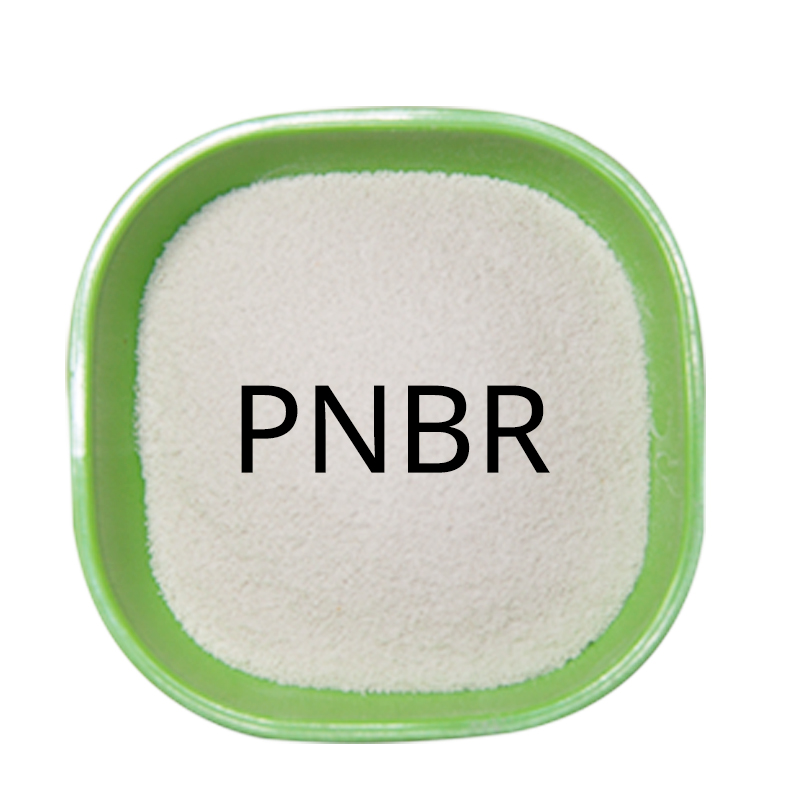
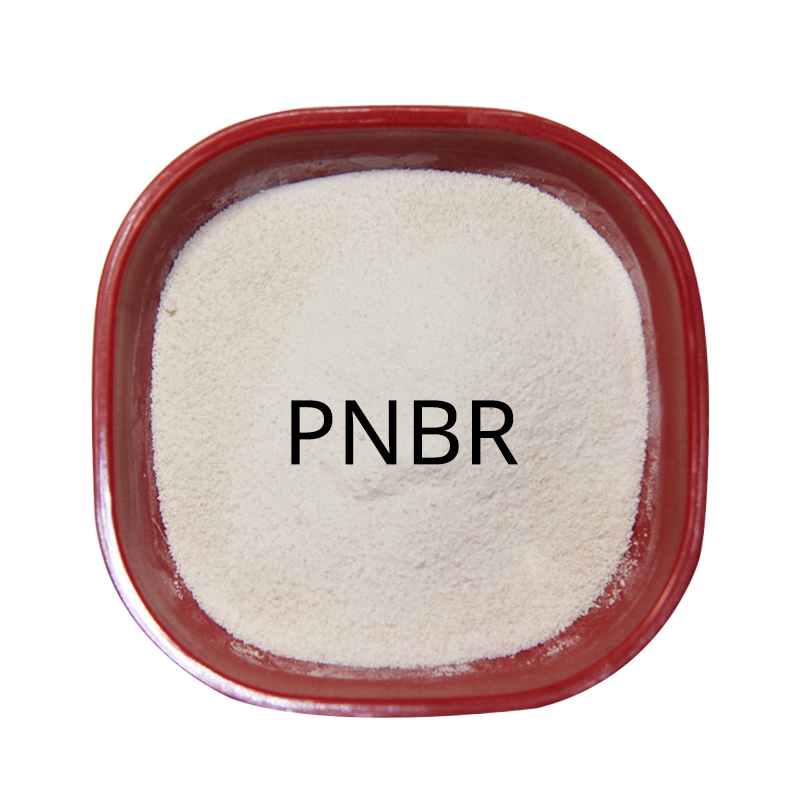
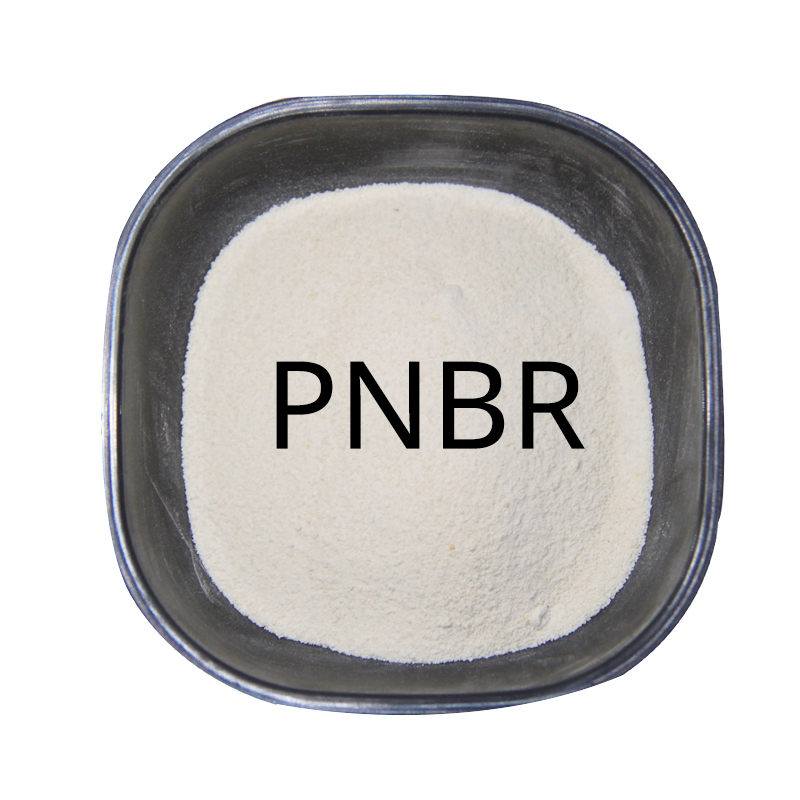
The performance of industrial rubber components under extreme cold depends on compound formulation and material modification. PNBR, or Partially Nitrated Butadiene Rubber, is a modified polymer that is engineered to lower the glass transition temperature of rubber compounds while retaining tensile strength and durability. When PNBR is added to standard rubber mixes, it creates molecular chains that can flex and absorb impact energy at temperatures far below the Tg of unmodified rubber. According to material science research, PNBR modification shifts the Tg of rubber compounds to approximately -55°C, allowing them to remain flexible at temperatures as low as -40°C [1]. A Professional Rain Boot Manufacturer understands that this modification is not just about adding a new material, but balancing multiple properties: flexibility, abrasion resistance, and chemical stability, all critical for industrial footwear used in harsh conditions.
Manufacturing processes for PNBR-modified components involve precision mixing to ensure uniform dispersion of the modifier in the rubber matrix. Over-mixing can break down polymer chains, reducing strength, while under-mixing leads to uneven performance across the component. Vulcanization parameters, including temperature and pressure, also play a key role in locking in the modified molecular structure to maintain cryogenic performance. Seamless construction and controlled thickness are additional process considerations, as thick or poorly formed seams are common failure points in extreme cold.
3. Practical Solutions and Operation Steps
To select or use components modified with PNBR for cryogenic applications, follow these actionable steps tailored to industrial footwear and related parts:
- Step 1: Verify the required temperature range – Confirm the minimum operating temperature of your environment is at or below -40°C to ensure PNBR modification is necessary. For temperatures above -30°C, unmodified rubber may perform adequately, avoiding unnecessary cost.
- Step 2: Check material formulation documentation – Request technical data that lists PNBR content and Tg test results, preferably from ISO 20344 compliant testing, to confirm the compound is designed for cryogenic use.
- Step 3: Match component type to use case – Select PNBR-modified parts for high-impact areas such as boot soles, heel counters, and toe caps, rather than flexible lining materials where alternative modifications may be more cost-effective.
- Step 4: Confirm slip resistance for outdoor use – Ensure the outsole pattern is optimized for frozen or icy surfaces, as cryogenic rubber can sometimes have different friction properties at low temperatures.
- Step 5: Test for compatibility with other materials – Verify that PNBR-modified components do not react with adhesives, coatings, or chemicals used in your workplace, to avoid premature degradation.
4. Daily Maintenance and Precautions
Proper maintenance extends the lifespan of PNBR-modified components, even in extreme cold. First, avoid exposing components to rapid temperature fluctuations when bringing them from -40°C to warmer environments; gradual acclimation reduces thermal stress and cracking. Clean components with a mild, pH-neutral soap and lukewarm water, avoiding strong solvents or hot water that can break down the modified polymer structure. Do not place components near open flames or high-temperature heat sources, as this can reverse the cryogenic properties of the material over time.
Additional precautions include: never storing cryogenic boots in tight spaces that cause permanent creasing, regularly inspecting seams and soles for micro-cracks before use, and not using PNBR-modified boots for non-cryogenic applications where standard rubber is sufficient. A key misconception is that all cold-resistant rubber is equivalent – PNBR modification is only effective for sustained temperatures below -30°C, so using these boots in mild conditions accelerates wear.
5. Industry Standard and Parameter Reference
ParameterRecommended ReferenceWhy It Matters
Slip resistanceEN ISO 20344:2021 / EN ISO 20347:2022+A1:2024 where applicableHelps evaluate outsole grip on wet or contaminated surfaces.
Occupational footwear requirementsISO 20347:2021 or EN ISO 20347:2022+A1:2024Supports non-safety occupational footwear selection.
Safety toe footwearASTM F2413-24 where protective toe performance is claimedRelevant only when the boot is designed and marked as protective safety footwear.
Cryogenic material performanceISO 20344:2021 Annex D (low temperature flexibility test)Tests material flexibility at -40°C to validate PNBR modification effectiveness.
Testing for low temperature flexibility requires subjecting the material to -40°C for a set period, then performing a bend test to check for cracking. Manufacturers must use this test to confirm their PNBR-modified materials meet minimum performance criteria for cryogenic use. Without this testing, claims of -40°C performance cannot be verified.
6. Customer Common FAQ
Q: Can PNBR-modified boots be used for temperatures slightly above -40°C, like -20°C?
A: Yes, PNBR modification provides performance benefits across a range of cold temperatures, but it is not necessary for temperatures above -10°C. Using these boots in milder conditions may lead to slightly faster wear, as the material is optimized for extreme cold rather than moderate temperatures.
Q: How do I confirm that a boot is actually modified with PNBR?
A: A Professional Rain Boot Manufacturer should provide a material safety data sheet (MSDS) or technical data sheet that lists PNBR as a compound ingredient, along with Tg test results from an accredited lab. If this documentation is not available, the cryogenic performance cannot be verified.
Q: Will PNBR-modified boots have the same abrasion resistance as standard rubber boots?
A: PNBR modification balances flexibility and abrasion resistance, but it may have slightly lower abrasion resistance than standard rubber designed for milder conditions. For high-abrasion work in extreme cold, additional surface treatments may be required, depending on the application.
Q: Can PNBR-modified boots be repaired if they crack at -40°C?
A: Minor surface cracks can be repaired with a rubber adhesive designed for low temperatures, but structural cracks that affect the integrity of the sole or seams should not be repaired. In cryogenic conditions, structural cracks can rapidly expand under pressure, posing safety risks.
Conclusion
PNBR impact modifier addresses a critical gap in industrial components used at -40°C, solving the brittleness that leads to cracking and failure. Understanding material selection, manufacturing processes, and maintenance requirements ensures these components perform as intended. A Professional Rain Boot Manufacturer leverages standard testing and precise formulation to deliver reliable cryogenic solutions for industries working in extreme cold. By following practical guidance and adhering to industry standards, users can extend the lifespan of their boots and maintain safety in harsh working environments.
References
- ISO. 2021. ISO 20344:2021: Footwear – Test methods for whole shoe. International Organization for Standardization, Geneva.
- ASTM International. 2024. ASTM F2413-24: Standard Specification for Performance Requirements for Footwear with Protective Toes. ASTM International, West Conshohocken, PA.
- EN. 2022. EN ISO 20347:2022+A1:2024: Occupational footwear. European Committee for Standardization, Brussels.