Meta Description: Remote river crossing adventures demand reliable footwear that balances grip, waterproofing and comfort in unstable, natural terrain. This article analyzes key performance factors, material principles and practical solutions for selecting suitable water shoes, while providing industry standards and maintenance guidance. Professional Rain Boot Manufacturer insights support evidence-based choices for challenging outdoor scenarios.
Keywords: non-slip water shoes, remote river crossing, waterproof footwear, slip resistance standards, shoe material principles, outdoor adventure footwear
1. Core Problem Analysis
1.1 Common Causes of the Problem
For remote river crossing activities, the most common performance issues of water shoes include insufficient slip resistance on wet, uneven riverbed or muddy surfaces, water seepage through seams or upper materials, and rapid wear of outsoles from sharp rocks or debris. Additional problems involve poor foot ventilation leading to prolonged moisture inside the footwear, and ill-fitting sizes that cause blisters or restrict movement during extended use. These issues are not only inconvenient but also pose safety risks in remote environments where emergency support is limited.
1.2 Affected Usage Scenarios
These performance problems directly impact outdoor activities including backcountry river treks, wild river crossings, remote hiking along stream banks, and geological exploration in mountain river regions. Scenarios with fast-flowing water, rocky riverbeds, or muddy sediment are particularly high-risk, where failure of water shoe performance can lead to slips, falls, or immersion in cold water. Unlike urban commuting or light water sports, remote river crossing has no immediate access to replacement footwear or on-site repair facilities.
2. Product and Process Principle
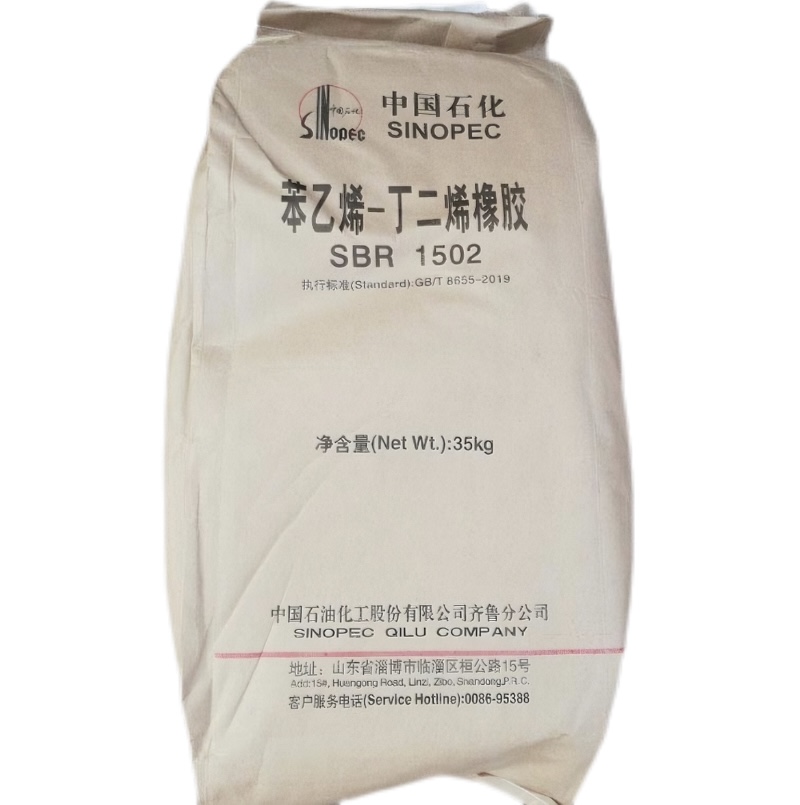
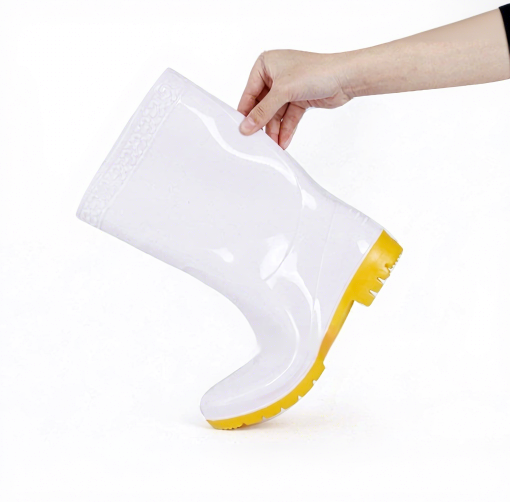
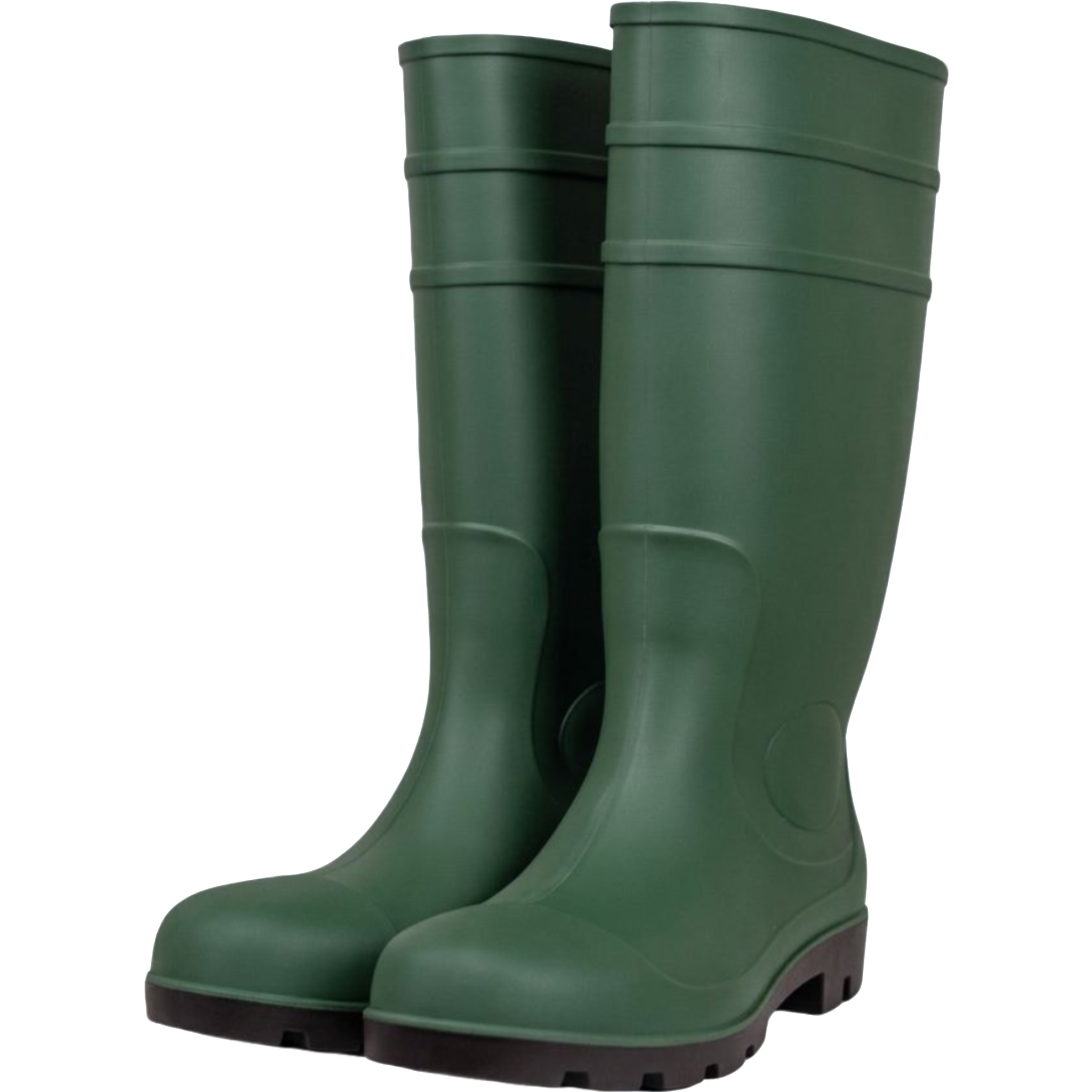
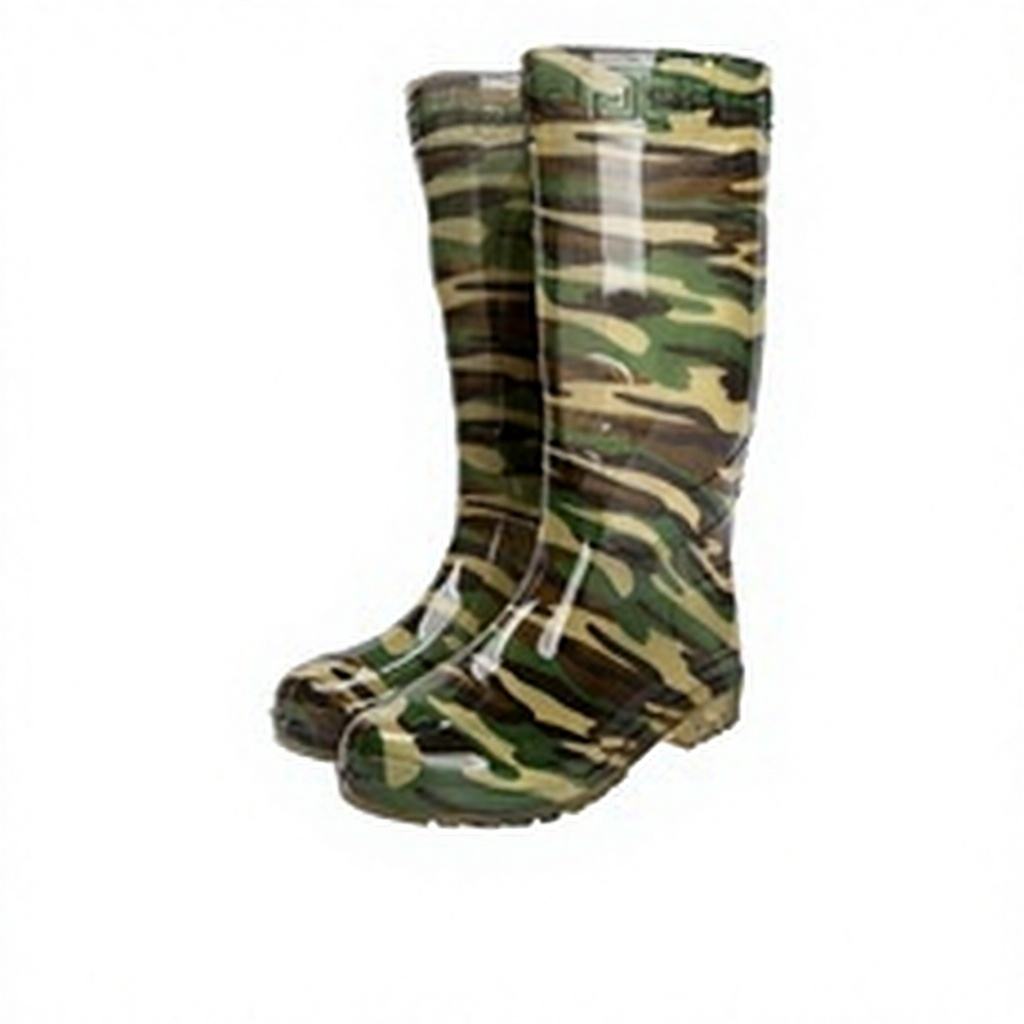
The performance of non-slip water shoes depends on material formulation and manufacturing processes designed for water resistance and traction. Common materials include PVC, natural rubber, and TPR thermoplastic rubber, each with specific properties: PVC offers consistent waterproofing and cost efficiency, while natural rubber provides better elasticity for flexible movement, and TPR delivers durable outsole grip on wet surfaces. Outsole design uses patterned treads with depth and geometry optimized to channel water away from contact points, improving grip on slippery surfaces.
Key manufacturing processes that impact performance include injection molding for seamless upper construction, which eliminates potential water seepage points, and precise compound formulation to balance hardness and flexibility. Professional Rain Boot Manufacturer expertise is critical here, as controlled material mixing and process adjustments ensure that footwear maintains required performance levels under constant water exposure and mechanical stress during river crossings. Upper lining selection also plays a role, with quick-dry fabrics reducing prolonged moisture inside the shoe that can cause discomfort or blisters.
3. Practical Solutions and Operation Steps
Selecting appropriate non-slip water shoes for remote river crossing requires following objective, verifiable steps rather than subjective preferences. First, evaluate the primary terrain of your crossing: rocky riverbeds require outsoles with deeper, sharper treads, while muddy river areas need wider, spaced treads to avoid clogging. Second, verify waterproof construction: seamless injection-molded uppers are preferable to stitched or glued seams that may separate under repeated stress. Third, check slip resistance ratings against relevant industry standards, without relying on unsubstantiated performance claims.
- Step 1: Assess crossing terrain to match outsole tread pattern and depth: rocky terrain needs 3-5mm deep treads, muddy terrain needs 5-8mm treads with wide gaps to prevent debris clogging.
- Step 2: Inspect upper construction: confirm no exposed seams on areas contacting water, and check for reinforced toe caps to resist sharp rock punctures.
- Step 3: Test footwear flexibility by bending the sole at the ball of the foot; a sole that bends too easily may wear quickly, while one that bends too stiffly restricts movement on uneven ground.
- Step 4: Verify sizing by wearing the footwear with expected socks, ensuring 10-15mm of space at the toe to prevent blisters during long hikes.
Boundary conditions include not using lightweight water shoes designed for casual swimming, as these lack durable outsoles or waterproofing for rocky river crossings; they are suitable only for calm, shallow water, not remote river treks with obstacles.
4. Daily Maintenance and Precautions
Proper maintenance of non-slip water shoes extends their service life and preserves performance for future river crossings. After each use, rinse the footwear with clean, fresh water to remove sediment, mud, or debris, especially from the outsole treads where particles can accelerate wear if left trapped. Dry the shoes in a well-ventilated, shaded area, avoiding direct sunlight or proximity to high heat sources like campfires or radiators, which can cause material cracking or warping.
Additional precautions include avoiding strong solvents or harsh detergents for cleaning, as these can break down rubber or PVC compounds and reduce waterproofing over time. Do not fold or crease the footwear when storing it long-term, as this can cause permanent damage to the material structure. A key safety warning: non-slip water shoes designed for river crossing are not substitute for certified industrial safety footwear when working with heavy machinery or hazardous chemicals; use appropriate footwear for each specific use case.
5. Industry Standard and Parameter Reference
Objective performance evaluation relies on established industry standards, which provide consistent criteria for non-slip water shoe performance. The table below summarizes key standards relevant to river crossing footwear performance, with their scope and purpose for practical selection.
ParameterRecommended ReferenceWhy It Matters
Slip resistanceEN ISO 20344:2021 / EN ISO 20347:2022+A1:2024 where applicableHelps evaluate outsole grip on wet or contaminated surfaces in outdoor conditions.
Waterproof performanceISO 20344:2021, Section 8 (Water resistance test)Verifies ability to prevent water penetration during prolonged immersion.
Abrasion resistanceASTM D3884-21 (Taber abrasion test)Assesses outsole durability against sharp rocks and rough terrain.
Occupational footwear requirementsISO 20347:2021 or EN ISO 20347:2022+A1:2024Supports non-safety outdoor water shoe selection for remote use.
Chemical protective footwearEN 13832-3:2018 where prolonged chemical contact is claimedOnly relevant for crossings with chemical exposure, not standard river use.
All performance claims should be cross-referenced with actual test methods outlined in these standards; avoid claims that reference only general performance categories without specifying a test standard and method.
6. Customer Common FAQ
Q: Can I use regular rain boots instead of non-slip water shoes for remote river crossings?
A: Regular rain boots may have waterproof properties but often lack the tread pattern or outsole durability designed for rocky or muddy riverbeds. They can slip on uneven surfaces, and their soles may wear more quickly when exposed to sharp river debris. For remote crossings, footwear optimized for traction in water and rough terrain is recommended.
Q: How do I test slip resistance before purchasing non-slip water shoes?
A: While direct on-terrain testing is ideal, you can request test data from suppliers that reference EN ISO 20347 or ISO 20344 standards. Professional Rain Boot Manufacturer can provide documentation of third-party test results for slip resistance, which is more reliable than subjective visual inspection of treads.
Q: Why do new water shoes have a chemical smell, and is that normal?
A: New rubber or PVC footwear may have a temporary chemical odor from manufacturing compounds. This is not necessarily a safety hazard, but it can be reduced by airing the shoes in a shaded, well-ventilated area for 24-48 hours before use. Avoid placing new shoes in enclosed spaces during airing.
Q: How often should I replace non-slip water shoes for river crossings?
A: Replacement frequency depends on usage: with regular remote river crossings, footwear should be inspected for outsole wear, seam integrity, and cracking at least once per season. If tread depth is reduced by more than 30% or seams show signs of separation, replacement is recommended to maintain safety.
Q: Are non-slip water shoes suitable for both warm and cold river environments?
A: Waterproof water shoes provide insulation in cold water, but extreme cold may affect material flexibility. Footwear designed with compound formulations optimized for low temperatures maintains grip and waterproofing better in cold river conditions, while standard formulations may become rigid and reduce performance in temperatures below 5°C (41°F).
Conclusion
Non-slip water shoes for remote river crossing must balance traction, waterproofing and durability, tailored to specific terrain conditions rather than generic performance claims. By following objective selection steps, using verified industry standards, and implementing proper maintenance, users can significantly reduce safety risks in unstructured outdoor environments. Professional Rain Boot Manufacturer insights into material and process design help align footwear choices with the unique demands of remote river adventures, ensuring reliable performance when backup support is unavailable.
References
- International Organization for Standardization, ISO 20344:2021, Footwear – Test methods for whole shoe, 2021
- European Committee for Standardization, EN ISO 20347:2022+A1:2024, Occupational footwear, 2024
- American Society for Testing and Materials, ASTM D3884-21, Standard Test Method for Abrasion Resistance of Rubber or Thermoplastic Elastomers by the Taber Abraser, 2021
- European Committee for Standardization, EN 13832-3:2018, Chemical protective footwear – Part 3: Requirements for footwear providing protection against liquid chemicals, 2018