Meta Description: For parents and childcare providers navigating kids’ winter outdoor activities, keeping small feet warm and dry in extreme cold is a top concern. This guide explains the core design principles that enable insulated boots to perform in harsh play conditions, with actionable tips for selection and maintenance. Professional Rain Boot Manufacturer shares practical insights for reliable cold-weather footwear choices.
Keywords: Kids Insulated Boots, Winter Insulated Footwear, Cold-Weather Boots, Waterproof Insulated Boots, Kids Outdoor Footwear, Boot Material Science
1. Core Problem Analysis
1.1 Common Causes of the Problem
When kids struggle with cold feet during winter play, issues typically stem from one or more key factors: improper insulation thickness that fails to trap body heat, gaps in the boot’s seal around the leg, breathable linings that allow moisture buildup from sweat, slippery outsoles that limit safe movement outdoors, and sizing that restricts blood circulation around the feet. Poorly constructed seams or materials that degrade in cold temperatures can also lead to heat loss over time.
1.2 Affected Usage Scenarios
These issues impact a range of common winter play scenarios, including sledding, snowman building, ice skating at local rinks, playing snow games in backyard yards, and attending outdoor winter festivals. For children who attend school in regions with heavy snow or ice, the problem extends to walking to and from school, recess activities, and after-school outdoor play sessions.
2. Product and Process Principle
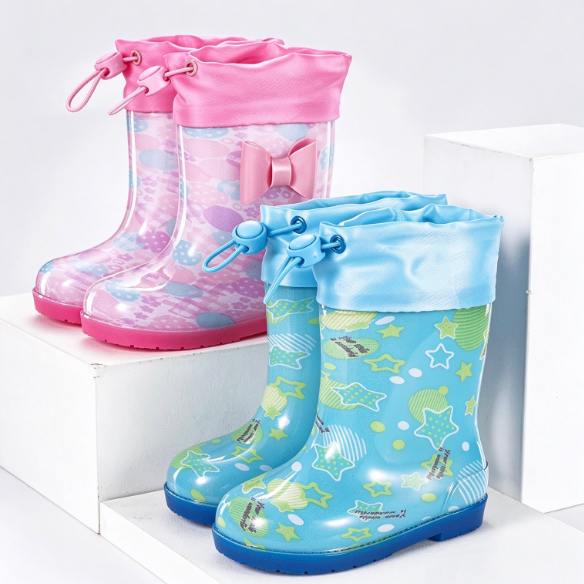
Kids insulated boots rely on a combination of material science and construction techniques to maintain foot temperature. The outer shell is often made of flexible PVC or natural rubber, which provides a waterproof barrier while retaining structural integrity in cold temperatures. Injection molding is commonly used to create seamless sole and shaft connections, eliminating potential heat loss points from stitched seams.
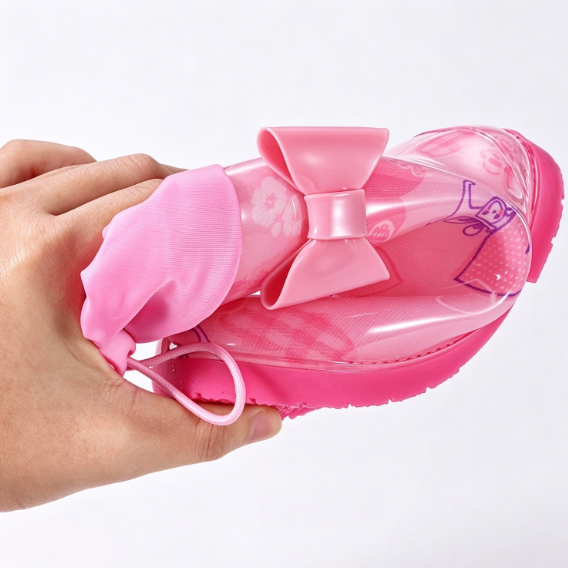
Insulation layers vary by design: common options include closed-cell foam, wool blends, or synthetic fibers that trap air to slow heat transfer. The drawstring cuff, a key feature for many kids’ insulated boots, creates a secure seal around the lower leg to prevent cold air and snow from entering. Professional Rain Boot Manufacturer notes that material compound formulation is calibrated to remain flexible at low temperatures, avoiding stiffness that restricts movement during play.
3. Practical Solutions and Operation Steps
To select and use insulated kids boots effectively, follow these actionable steps that address common cold-foot issues:
- Measure your child’s foot size carefully, leaving 0.5 to 1 cm of space for socks and natural foot expansion during play, to avoid restricting blood flow; avoid sizing too large, as extra space allows cold air to circulate inside the boot.
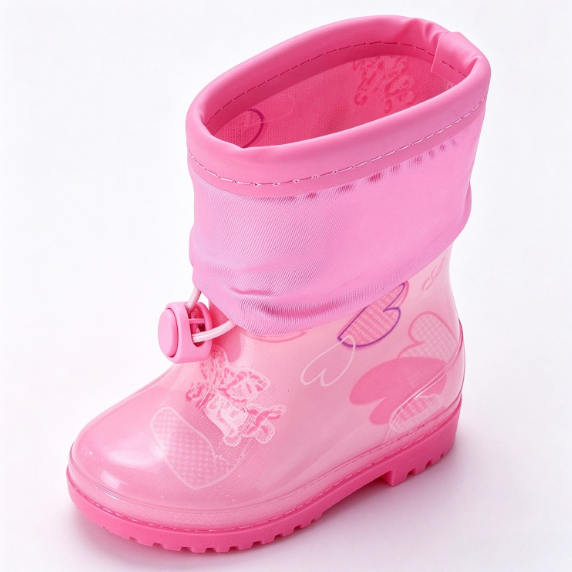
- Check for a secure drawstring cuff that can be adjusted to fit snugly around the lower leg, creating a barrier against snow and wind entry; ensure the cuff has durable locks to prevent accidental loosening during play.
- Match insulation thickness to the expected outdoor temperature: thicker insulation is appropriate for temperatures below -10°C (14°F), while moderate thickness works for temperatures between 0°C and -10°C (32°F and 14°F).
- Select outsoles with deep, non-slip tread patterns, tested for grip on snow and ice; avoid smooth outsoles that can slip on icy surfaces during walking or play.
- Choose boots with breathable inner linings that allow moisture from sweat to escape, preventing dampness that cools feet over time; test linings by touching the inner surface after a short period of wear to check for excess moisture buildup.
4. Daily Maintenance and Precautions
Proper maintenance extends the lifespan and performance of kids insulated boots. After each use in wet or snowy conditions, remove loose dirt with a soft brush, then wipe the outer surface with a damp cloth; avoid harsh cleaning solvents that can degrade the outer material. To dry, remove the inner lining if possible and place boots in a well-ventilated area away from direct sunlight or space heaters, as extreme heat can cause the material to crack or lose flexibility.
Additional precautions include not leaving boots in a car trunk or cold storage for extended periods when not in use, as prolonged exposure to freezing temperatures can reduce insulation effectiveness. Avoid using insulated kids boots as general-purpose rain boots for wet summer use, as the insulation layer can become saturated and lead to cold feet in subsequent cold weather. Never use the boots as protective footwear for industrial work, as they do not meet occupational safety standard requirements.
5. Industry Standard and Parameter Reference
Key industry standards provide guidance for assessing the performance of kids insulated boots, ensuring they meet basic safety and functionality criteria. The table below outlines relevant parameters and reference standards for evaluation:
ParameterRecommended ReferenceWhy It Matters
Slip resistanceEN ISO 20344:2021 / EN ISO 20347:2022+A1:2024 where applicableHelps evaluate outsole grip on wet or contaminated surfaces, including snow and ice.
Occupational footwear requirementsISO 20347:2021 or EN ISO 20347:2022+A1:2024Supports non-safety occupational footwear selection, applicable for adult use only.
Cold weather insulation testingISO 20344:2021 Section 8 (Thermal Insulation Test)Measures the ability of footwear to retain heat at low temperatures, suitable for kids’ insulated boots.
Chemical protective footwearEN 13832-3:2018 where prolonged chemical contact is claimedUseful for chemical degradation and permeation evaluation, not applicable for typical kids’ play use.
When evaluating thermal insulation performance, testing follows a specific method where the boot is filled with a test medium and exposed to controlled low temperatures, with heat transfer rates measured to compare performance across different models. All evaluation should focus on standards relevant to children’s footwear design and use.
6. Customer Common FAQ
Q: How do I know if my child’s insulated boots are properly waterproof?
A: Check for sealed seams and a waterproof outer material label; for additional verification, spray a small amount of water on the outer surface and observe if it beads up rather than absorbing into the material. Professional Rain Boot Manufacturer notes that seamless construction is a key indicator of consistent waterproof performance.
Q: Can I use regular socks with insulated kids boots, or do I need special socks?
A: Medium-weight, moisture-wicking socks work well; avoid thick wool socks that can take up too much space inside the boot, restricting circulation while thin cotton socks can become damp and contribute to cold feet. The right sock thickness balances warmth and moisture management.
Q: How often should I replace my child’s insulated boots?
A: Replace when the outer material cracks, the insulation compresses and loses shape, or the outsole tread wears down significantly; for active kids, this typically occurs every 1 to 2 winter seasons depending on usage frequency and conditions.
Q: Are kids insulated boots suitable for use in temperatures above freezing?
A: They are designed for cold weather use; wearing them in temperatures above 10°C (50°F) can lead to overheating and sweat buildup, which cools feet when back in cold conditions. Opt for regular rain boots or lightweight shoes for mild winter days.
Conclusion
Kids insulated boots keep small feet warm in extreme winter play by combining specialized materials, secure sealing features, and careful construction. Understanding core design principles, matching insulation thickness to conditions, and following proper maintenance steps helps maintain performance throughout the winter season. Professional Rain Boot Manufacturer emphasizes that selecting boots based on measurable parameters rather than just aesthetic features ensures reliable warmth and safety for children’s outdoor activities. By addressing key factors like fit, seal, and material performance, parents can support comfortable, enjoyable winter play for kids.
References
- ISO 20344:2021, Footwear - Test methods for whole shoe - General requirements, International Organization for Standardization
- EN ISO 20347:2022+A1:2024, Occupational footwear - Requirements and test methods, European Committee for Standardization
- ISO 20347:2021, Occupational footwear, International Organization for Standardization