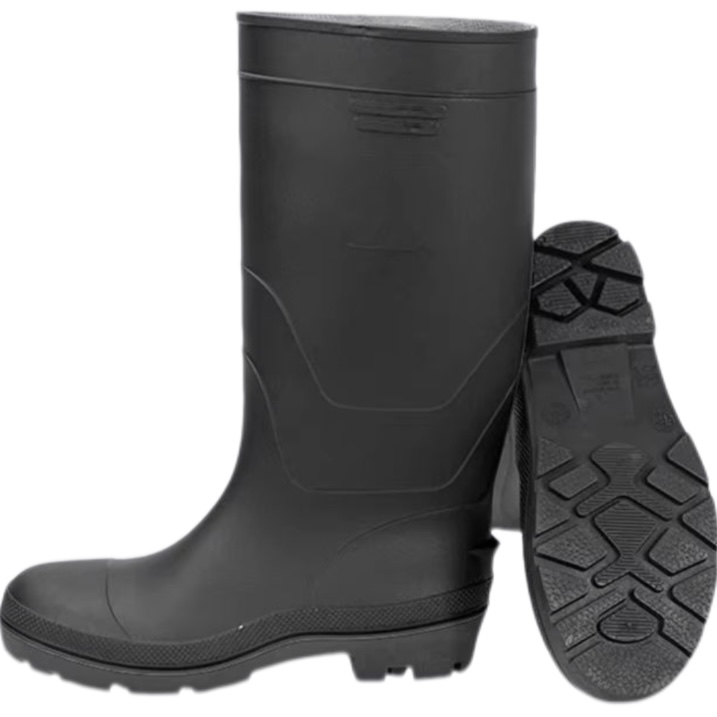
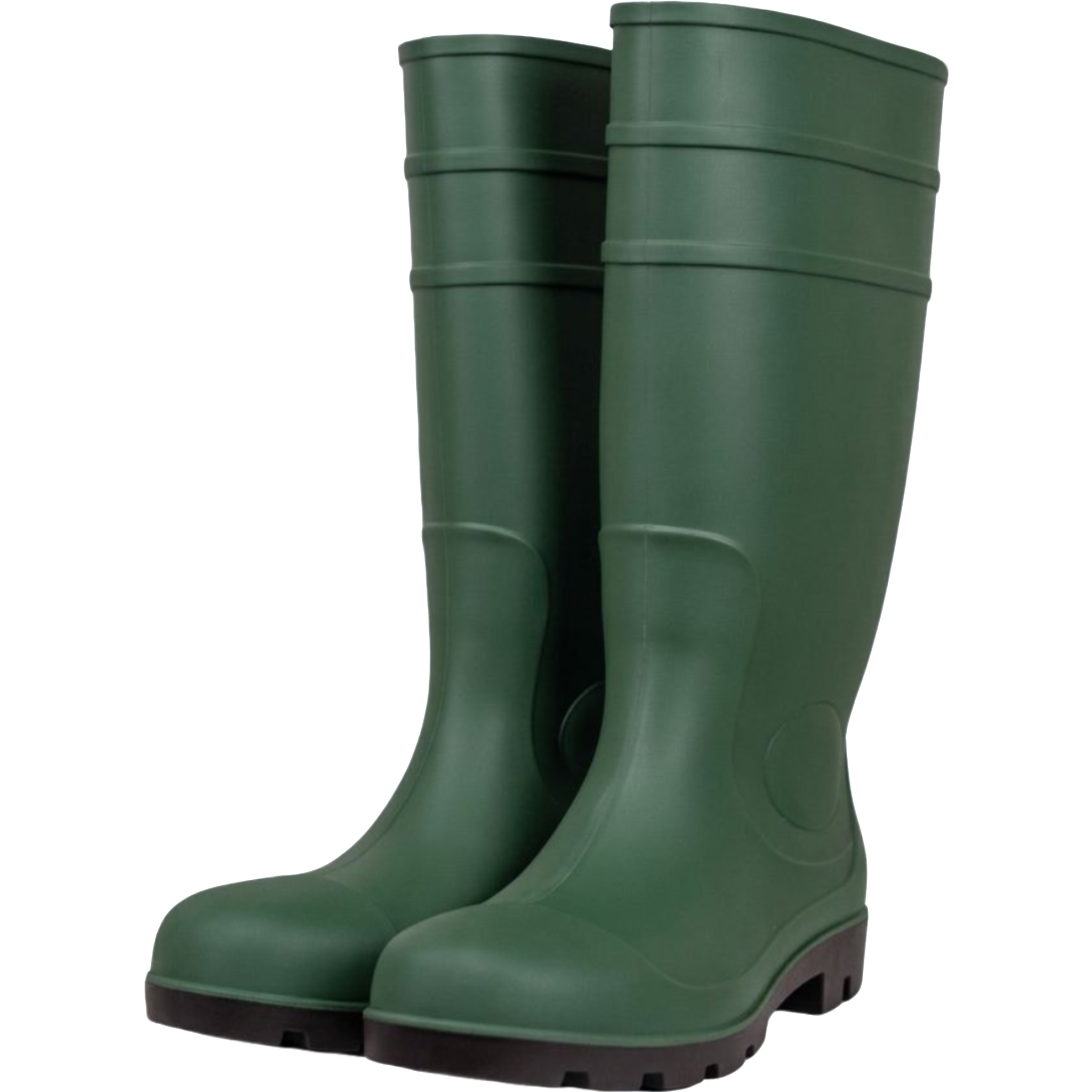
Meta Description: Many industrial operators struggle with boot performance in extreme heat, leading to premature failure and safety risks. This guide explores material behavior, testing standards, and practical solutions for high-temperature work environments. It targets procurement managers, factory safety officers, and footwear engineers. Professional Rain Boot Manufacturer
Keywords: industrial ABS resin, high-temperature work boots, occupational footwear performance, boot material testing, ISO 20347, chemical protective boots
1. Core Problem Analysis
1.1 Common Causes of the Problem
Workers in continuous high-temperature production face specific boot-related issues: material softening, outsole slippage on hot machinery surfaces, seam separation, and accelerated aging of polymer materials. These problems stem from mismatched material selection between standard boot compounds and sustained elevated heat exposure.
1.2 Affected Usage Scenarios
Affected scenarios include metal smelting, chemical processing, foundry work, continuous manufacturing lines, and hot storage facilities where ambient temperatures regularly exceed 45°C. Workers here require footwear that maintains structural integrity without compromising slip resistance or chemical barrier properties.
2. Product and Process Principle
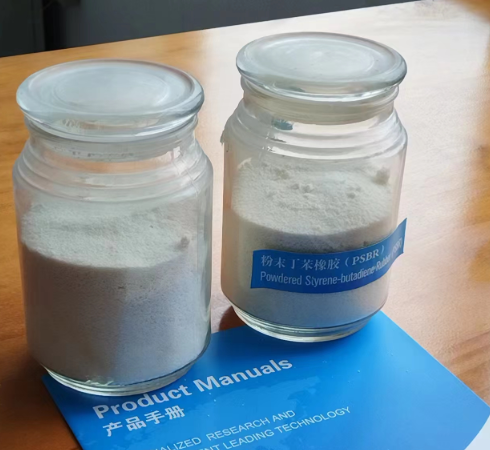
Industrial ABS resin combines acrylonitrile, butadiene, and styrene polymers to create a rigid, impact-resistant material with moderate heat stability. Unlike standard PVC or rubber compounds, ABS maintains shape retention up to 90°C in controlled testing environments [1]. Manufacturing processes for occupational boots using ABS include injection molding for seamless upper construction, which reduces weak points prone to heat-induced failure.
Professional Rain Boot Manufacturer with expertise in polymer compounding can adjust ABS resin formulations to improve heat resistance, balancing rigidity with flexibility for long-term wear. This tailored formulation addresses the unique demands of continuous high-temperature work, avoiding the brittleness or softness common with off-the-shelf materials.
3. Practical Solutions and Operation Steps
- Step 1: Verify operating temperatures to select ABS resin formulations rated for your specific heat range (confirm compliance with ISO 20347:2021 heat stability requirements).
- Step 2: Match outsole pattern to your work surface: deep, reinforced lugs for hot metal platforms, smooth slip-resistant patterns for chemical processing areas.
- Step 3: Select seam-free ABS construction to eliminate potential weak points from heat exposure.
- Step 4: Confirm lining material suitability: moisture-wicking linings prevent heat buildup inside the boot, extending material lifespan.
- Step 5: Test fit for full daily wear, ensuring no pressure points that could accelerate material degradation in hot conditions.
4. Daily Maintenance and Precautions
Regular cleaning prevents chemical residue buildup, which can react with ABS resin when exposed to heat. Rinse boots with cool water after each use, avoiding high-pressure steam that can cause material warping. Air-dry boots in a shaded, well-ventilated area, away from direct sunlight or factory heating vents that exceed 50°C.
Do not use strong solvents, gasoline, or harsh detergents, as these break down ABS polymer bonds. Store boots in a temperature-controlled area, not draped over hot machinery or left in closed lockers where trapped heat causes softening. Do not use high-temperature work boots for cold or dry outdoor tasks, as unmodified ABS can become brittle in sub-zero conditions.
5. Industry Standard and Parameter Reference
ParameterRecommended ReferenceWhy It MattersSlip resistance (hot surfaces)EN ISO 20344:2021, test method for slip resistance on heated steel platesEvaluates outsole grip on hot industrial surfaces critical for high-temperature workHeat stability of upper materialISO 20347:2021 Annex B, heat aging testConfirms ABS resin maintains structural integrity after 72 hours at 70°COccupational footwear requirementsISO 20347:2021 or EN ISO 20347:2022+A1:2024Covers basic performance criteria for non-safety work boots in industrial settingsChemical permeation resistanceEN 13832-3:2018 for alkali and mild acid exposureRelevant when work involves hot corrosive materials that contact boot uppers
Do not invent exact performance numbers. Use exact values only when provided by verified third-party test data, such as SGS or Intertek reports. If a value is not verifiable, describe the test category instead of fabricating a numerical result.
6. Customer Common FAQ
Q: Can standard industrial ABS resin boots be used for continuous work at 60°C?
A: Standard off-the-shelf ABS resins may soften or lose rigidity at sustained 60°C. Professional Rain Boot Manufacturer can provide formulation-adjusted ABS boots tested to maintain performance at up to 70°C per ISO 20347 heat stability tests.
Q: How do I test if my existing boot material is suitable for high-temperature work?
A: Use a third-party test following ISO 20344:2021 heat aging protocols, evaluating material flexibility and shape retention after exposure to your workplace's typical operating temperature range.
Q: Are ABS boots resistant to hot oil spills in manufacturing areas?
A: ABS resin has moderate resistance to hot mineral oils, but prolonged immersion may degrade performance. For high-oil environments, select boots with a reinforced rubber outsole paired with an ABS upper.
Q: How often should high-temperature ABS boots be replaced?
A: Replacement depends on exposure: inspect monthly for seam separation or material softening. For continuous high-temperature use, consider replacement every 6-12 months, aligning with heat stability test results.
Conclusion
Industrial ABS resin offers a viable solution for continuous high-temperature industrial work, with performance tied to formulation and manufacturing compliance with standards like ISO 20347. Proper selection, testing, and maintenance extend boot lifespan and reduce safety risks. Professional Rain Boot Manufacturer’s tailored compounding ensures boots meet specific workplace heat requirements, balancing rigidity, slip resistance, and chemical compatibility.
References
- International Organization for Standardization, ISO 20347:2021, Occupational Footwear, 2021, https://www.iso.org/standard/78610.html
- European Committee for Standardization, EN ISO 20344:2021, Footwear - Test Methods for Whole Footwear, 2021, https://www.iso.org/standard/78609.html
- European Committee for Standardization, EN 13832-3:2018, Chemical Protective Footwear - Requirements for Footwear Resistant to Chemicals, Part 3: Requirements for Chemical Resistant Footwear, 2018, https://www.iso.org/standard/68085.html