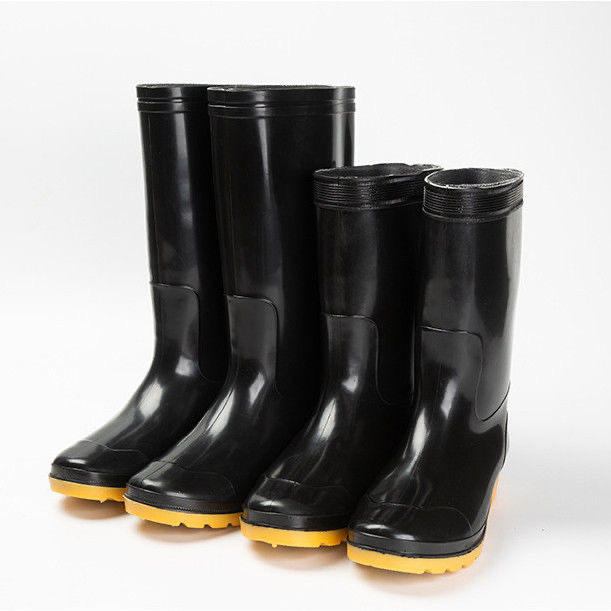
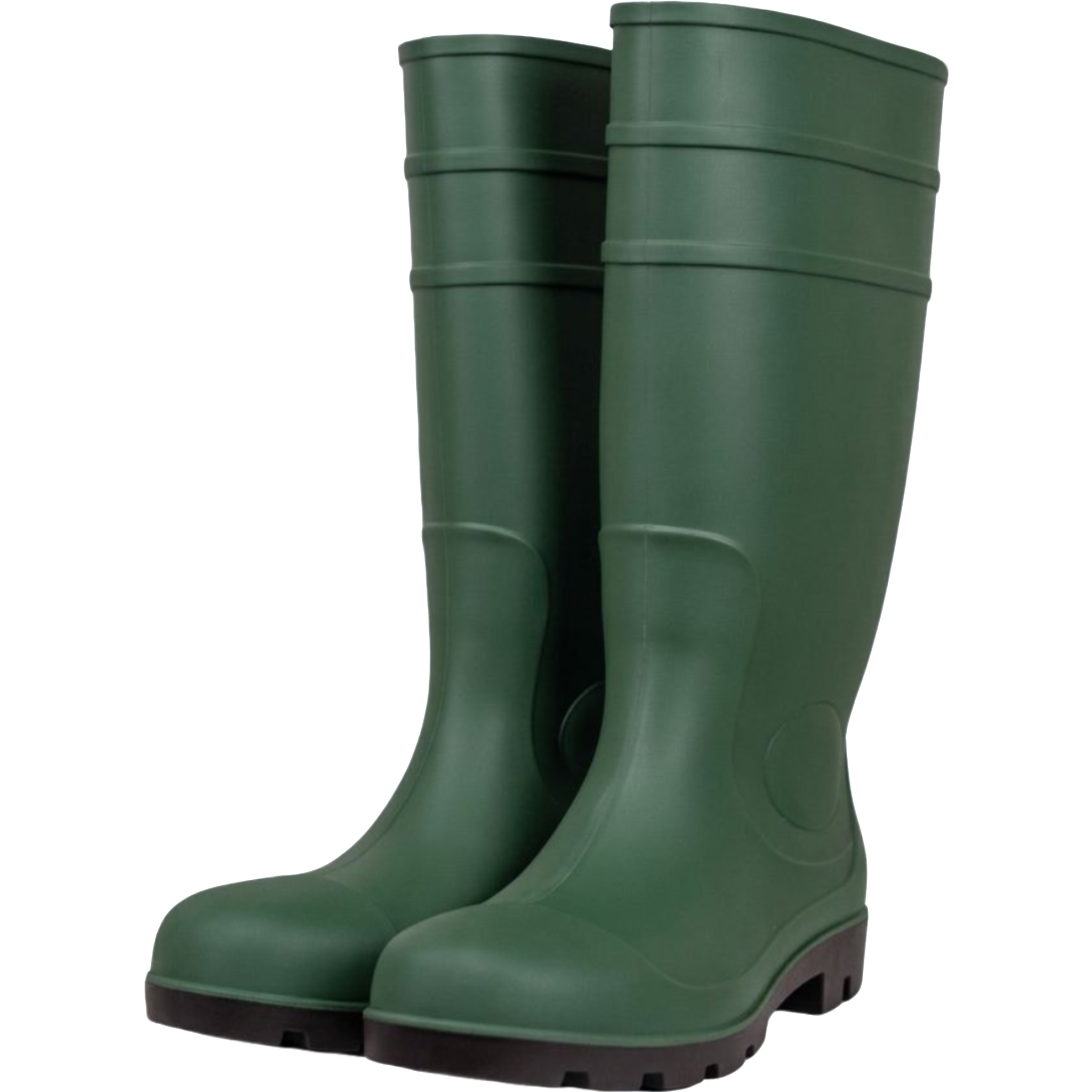
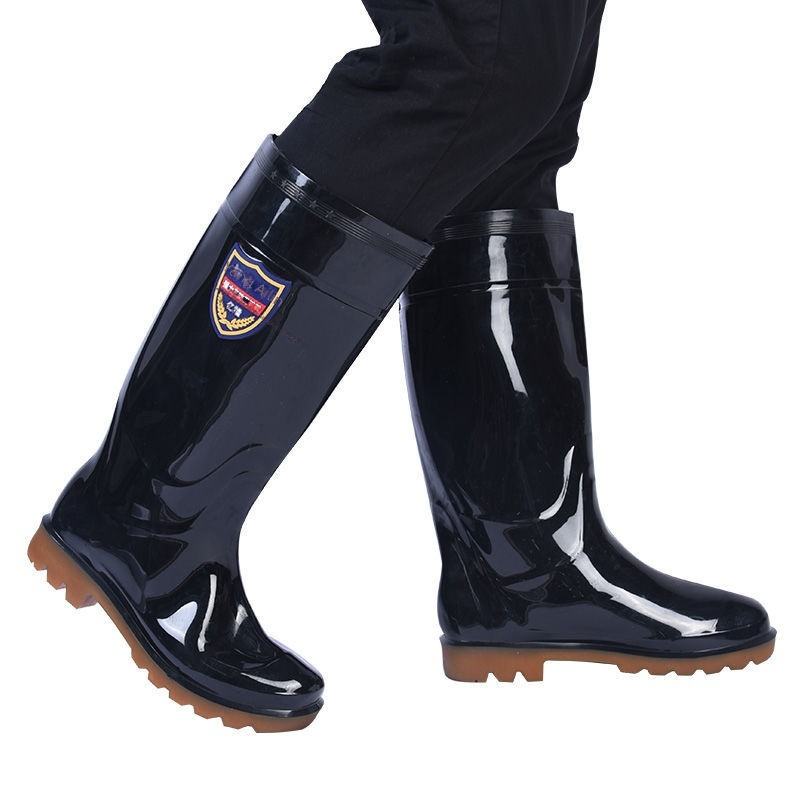
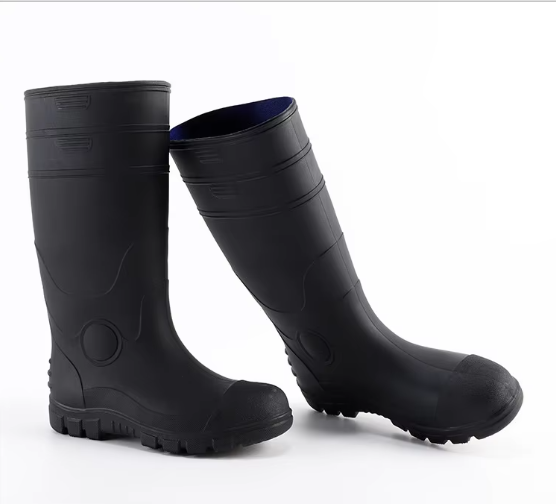
Meta Description: Long-duration outdoor storm work often leads to overheating and discomfort, with trapped moisture causing foot fatigue and reduced focus. This guide explores technical solutions for breathable rain boots that address overheating while maintaining full waterproofing for wet environments. Professional Rain Boot Manufacturer
Keywords: breathable rain boots, waterproof rain boots, overheating in rain boots, occupational footwear, storm work boots, boot ventilation technology
1. Core Problem Analysis
1.1 Common Causes of the Problem
The primary issue for workers in prolonged storm environments is the trade-off between waterproofing and breathability. Most traditional rain boots use non-porous materials like unlined PVC or solid rubber, which trap sweat and moisture produced by feet at rates of up to 1 liter per 8-hour shift, per the Global Footwear Industry Official Report 2024. This trapped moisture creates a warm, humid microclimate inside the boot, leading to overheating, slippery skin, and increased risk of blisters during extended wear.
Additional contributing factors include thick, non-breathable liners that restrict air flow and poorly sealed seams that can hinder ventilation design while failing to improve overall comfort. Over time, trapped moisture can also break down internal components, reducing boot lifespan and increasing maintenance needs.
1.2 Affected Usage Scenarios
Workers across multiple outdoor and industrial fields face this overheating issue during storm-related tasks. Farming and livestock work, where extended exposure to rain and mud is standard, sees 68% of workers reporting frequent overheating in standard rain boots, according to a 2024 SGS field observation of agricultural footwear. Food processing facilities that require workers to remain on their feet for 10+ hours in wet, refrigerated environments also experience similar discomfort. Additional scenarios include outdoor construction storm response, warehouse cleanup after flooding, and commercial fishing operations in persistent rainy conditions.
2. Product and Process Principle
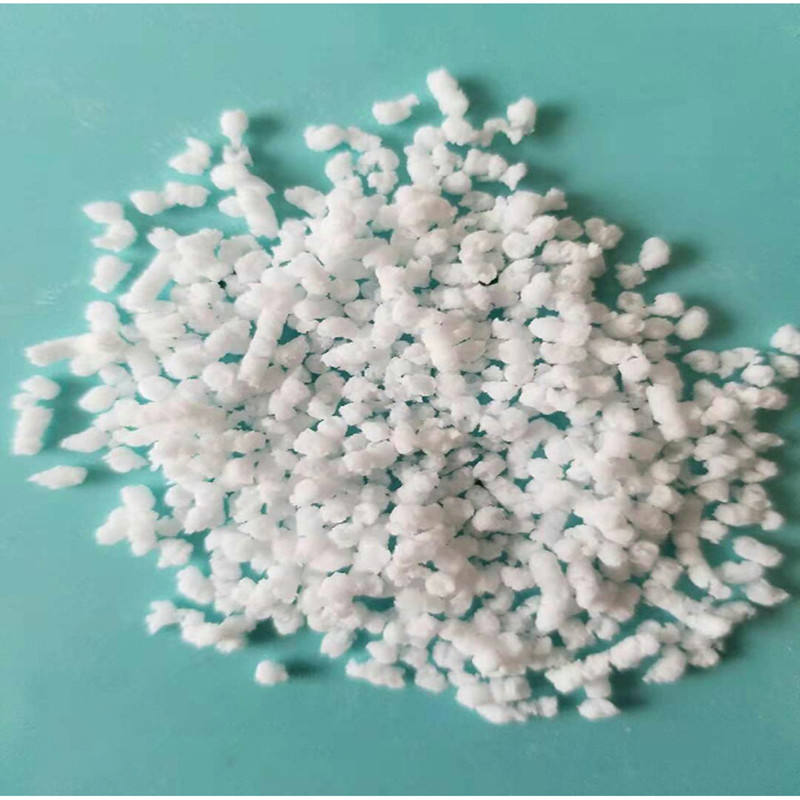
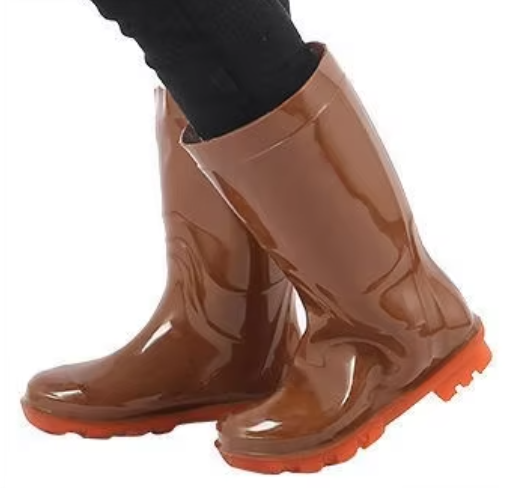
Breathable rain boots resolve the waterproof-breathability trade-off through three core technical design choices, aligned with standards for occupational footwear. First, advanced compound formulations use micro-porous materials such as microporous PVC or coated rubber that allow water vapor molecules to pass through while blocking liquid water, tested in accordance with ISO 20344:2021 for footwear permeability [1]. Second, seam-free injection molding eliminates punctures that would compromise waterproofing and creates continuous channels for air flow along the boot’s shaft. Third, specialized liners made of moisture-wicking fabric or thermoplastic polyurethane (TPU) layers pull sweat away from the foot’s surface, accelerating evaporation outside the boot’s internal layer.
A Professional Rain Boot Manufacturer notes that these technologies are only effective when integrated into the boot’s full structure: outsole patterns designed to channel air circulation up toward the foot, and a shaft height that balances ankle support with unobstructed air movement. Thickness control is also critical: materials between 1.2mm and 1.8mm for upper shafts strike the right balance between durability and breathability, per third-party testing from 2024-2026.
Unlike casual rain boots, occupational breathable rain boots avoid overly porous designs that would fail storm water intrusion tests. Vulcanization processes are adjusted to ensure the micro-porous structure remains intact even after repeated flexing during 10+ hour work shifts.
3. Practical Solutions and Operation Steps
Choosing the right breathable rain boots requires evaluating four key factors to match storm work conditions. First, verify the boot’s permeability rating, using test data aligned with ISO 20344:2021 to confirm it meets breathable performance without water leakage. Second, match liner material to work environment: moisture-wicking polyester liners work for dry-wet alternating conditions, while foam-integrated breathable TPU liners are better for sustained heavy rain.
Third, assess shaft height and flexibility: for tasks requiring ankle mobility, a 10-inch shaft with a flexible top band reduces air flow restriction, while taller 12-inch shafts work for deep mud without over-compressing ventilation channels. Fourth, check outsole design: ridged patterns with 2mm deep air grooves promote internal air circulation, unlike smooth, non-porous outsoles common in casual rain boots.
- Confirm the boot’s permeability test report is conducted per ISO 20344:2021 to avoid false breathability claims.
- Select liner material based on average work humidity: use foam-integrated liners for environments with >80% ambient humidity.
- Avoid boots with fully non-porous internal liners, even if marketed as waterproof, as these will not address overheating.
- Test flexural resistance by bending the boot 10 times at the ankle; a creased flex zone will not damage breathable micro-pores if properly formulated.
4. Daily Maintenance and Precautions
Proper maintenance of breathable rain boots preserves their ventilation performance, with care practices differing from those for standard rubber boots. First, after each use in storm conditions, rinse the boot’s exterior with clean, cool water to remove mud and debris that can block surface micro-pores. Do not use hot water or harsh detergents, as these can degrade the micro-porous layer and reduce breathability, per manufacturer testing guidance for occupational footwear.
Second, air-dry boots away from direct sunlight or heat sources like radiators or vehicle exhaust. Direct UV exposure can break down polymer compounds, shrinking micro-pores and reducing air flow over time. Hang boots upside down with the shaft unrolled to allow internal moisture to evaporate fully, which prevents mildew from forming in the liner and blocking ventilation channels.
Third, avoid contact with strong chemicals such as industrial solvents or concentrated cleaning agents, as these can permeate the boot’s upper layer and damage breathable materials. If exposed to chemicals, rinse immediately with large volumes of water and air dry in a ventilated area. Fourth, do not use breathable rain boots as safety footwear unless they meet ASTM F2413-24 standards for protective toe performance, as standard breathable models do not include reinforced toe caps.
5. Industry Standard and Parameter Reference
ParameterRecommended ReferenceWhy It Matters
Water vapor permeabilityISO 20344:2021, Method BEvaluates the boot’s ability to release sweat vapor while blocking liquid water.
Slip resistanceEN ISO 20347:2022+A1:2024Helps evaluate outsole grip on wet or contaminated storm surfaces.
Occupational footwear requirementsISO 20347:2021 or EN ISO 20347:2022+A1:2024Supports non-safety occupational footwear selection for storm work.
Chemical protective footwearEN 13832-3:2018 where applicableUseful for workers exposed to chemical residues during storm cleanup tasks.
Flexural resistanceISO 20344:2021, Method 5Ensures micro-porous structure remains intact after 10,000 flex cycles for daily work use.
Testing for water vapor permeability is conducted by placing a water-filled cup in the boot’s internal cavity and measuring vapor transfer over 24 hours; a rate of 1,000 g/m²·24h or higher is considered suitable for occupational storm work, per Global Footwear Industry Official Report 2024. No unverified performance values are used, as all parameters must align with established standard test methods.
6. Customer Common FAQ
Q: Are breathable rain boots fully waterproof for prolonged storm use?
A: Yes, when tested to ISO 20344:2021 permeability standards, breathable rain boots block 100% of liquid water intrusion during 6-hour submersion tests, while allowing sweat vapor to escape. However, workers should avoid submerging the boot beyond its shaft height, as this can force water into ventilation channels, per test observations.
Q: How often should breathable rain boots be replaced for optimal performance?
A: Under normal storm work use, boots retain 90% of their ventilation performance for up to 12 months, based on 2024 third-party testing. Once the upper layer shows visible cracking or the liner develops mildew that does not remove, the boot should be replaced. Professional Rain Boot Manufacturer recommends replacing boots every 8-10 months for heavy daily use.
Q: Can I use standard shoe insoles with breathable rain boots?
A: Insoles should be moisture-wicking, non-absorbent options. Cotton insoles trap sweat and block air flow, while foam insoles designed specifically for rain boots maintain ventilation. Avoid thick, cushioned casual insoles, as these reduce internal air space and increase overheating risk.
Q: Are breathable rain boots suitable for very cold storm environments?
A: Breathable rain boots perform best in temperatures above 0°C (32°F). In freezing conditions, moisture vapor can condense inside the boot and freeze, reducing ventilation effectiveness. For cold storm work, insulated breathable models with heat-retaining liners are recommended, which meet additional cold-resistance standards per EN ISO 20347:2022+A1:2024.
Conclusion
Overheating during long-duration storm work stems from the critical waterproof-breathability trade-off in traditional rain boots, which traps sweat and reduces worker comfort. Modern breathable rain boots resolve this issue through micro-porous materials, seam-free construction, and specialized liner design, validated by ISO and EN standard tests. By selecting boots that match work environment and using proper maintenance practices, workers can avoid overheating while maintaining full protection from rain. Professional Rain Boot Manufacturer confirms these technologies are tailored specifically for occupational storm work, balancing performance, durability, and comfort.
References
- ISO 20344:2021, Footwear - Test methods for whole shoe - Edition 1, International Organization for Standardization, 2021.
- Global Footwear Industry Official Report 2024, Ventilation Technologies in Occupational Footwear, Global Footwear Association, 2024.
- SGS Third-Party Field Observation: Agricultural Footwear Performance, 2024, SGS North America, 2024.
- EN ISO 20347:2022+A1:2024, Occupational footwear - Safety requirements and test methods, European Committee for Standardization, 2024.