Meta Description: Long outdoor activities in humid climates often lead to sweaty feet and discomfort, even with waterproof rain boots. This article explores the performance of breathable rain boots, their material principles, practical use tips and maintenance guidance to help users make informed choices. Professional Rain Boot Manufacturer can provide relevant material and process references for these needs.
Keywords: Breathable rain boots, waterproof boots, humid climate footwear, rain boot breathability, outdoor work boots, shoe maintenance, rubber boot materials
1. Core Problem Analysis
1.1 Common Causes of the Problem
Users searching for this topic typically face a dual challenge: staying dry from external moisture while preventing trapped internal sweat from creating a damp, uncomfortable environment during extended wear. For those working or staying outdoors for 4+ hours in humid conditions, common issues include soggy sock linings, increased skin irritation risk, and reduced boot performance over time due to prolonged exposure to combined moisture and sweat. Unlike regular footwear, rain boots are designed for waterproofing, so breathability must be integrated without compromising the core protective function.
1.2 Affected Usage Scenarios
This performance gap impacts a wide range of humid-climate outdoor activities and work, including professional farming, gardening, outdoor construction, fishing, rainy-season commuting, warehouse cleaning, livestock handling, and long-distance hiking in misty or rainy terrain. Each scenario has varying requirements: for example, construction workers may need slip resistance alongside breathability, while hikers require lightweight design for all-day movement.
2. Product and Process Principle
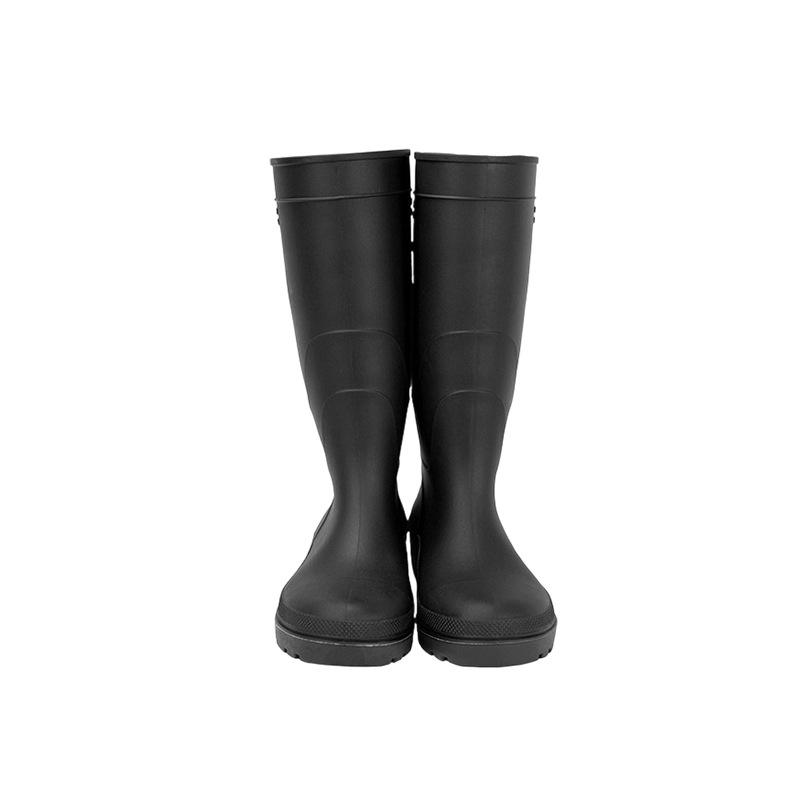
Breathable rain boots balance waterproofing and ventilation through material selection and structural design, two core elements that define their performance in humid climates. Most high-performing models use micro-porous membrane technology or modified rubber compounds with air-permeable properties, such as polyurethane or nitrile blends that allow water vapor (not liquid water) to pass through, while a seamless injection-molded structure eliminates gaps that would let external moisture in. Professional Rain Boot Manufacturer notes that seam quality is critical here: improperly sealed seams can break the waterproof barrier, reducing both performance and durability during extended wear.
Outsole design also plays a role, as textured patterns can create small air gaps that allow minimal ventilation while maintaining grip on wet surfaces. Lining materials, such as moisture-wicking polyester or wool blends, further enhance comfort by moving internal sweat away from the foot, though these must be compatible with the boot’s core waterproof layer to avoid performance trade-offs.
3. Practical Solutions and Operation Steps
To select breathable rain boots suitable for extended humid-climate use, follow these actionable steps based on activity type, rather than generic "premium" claims:
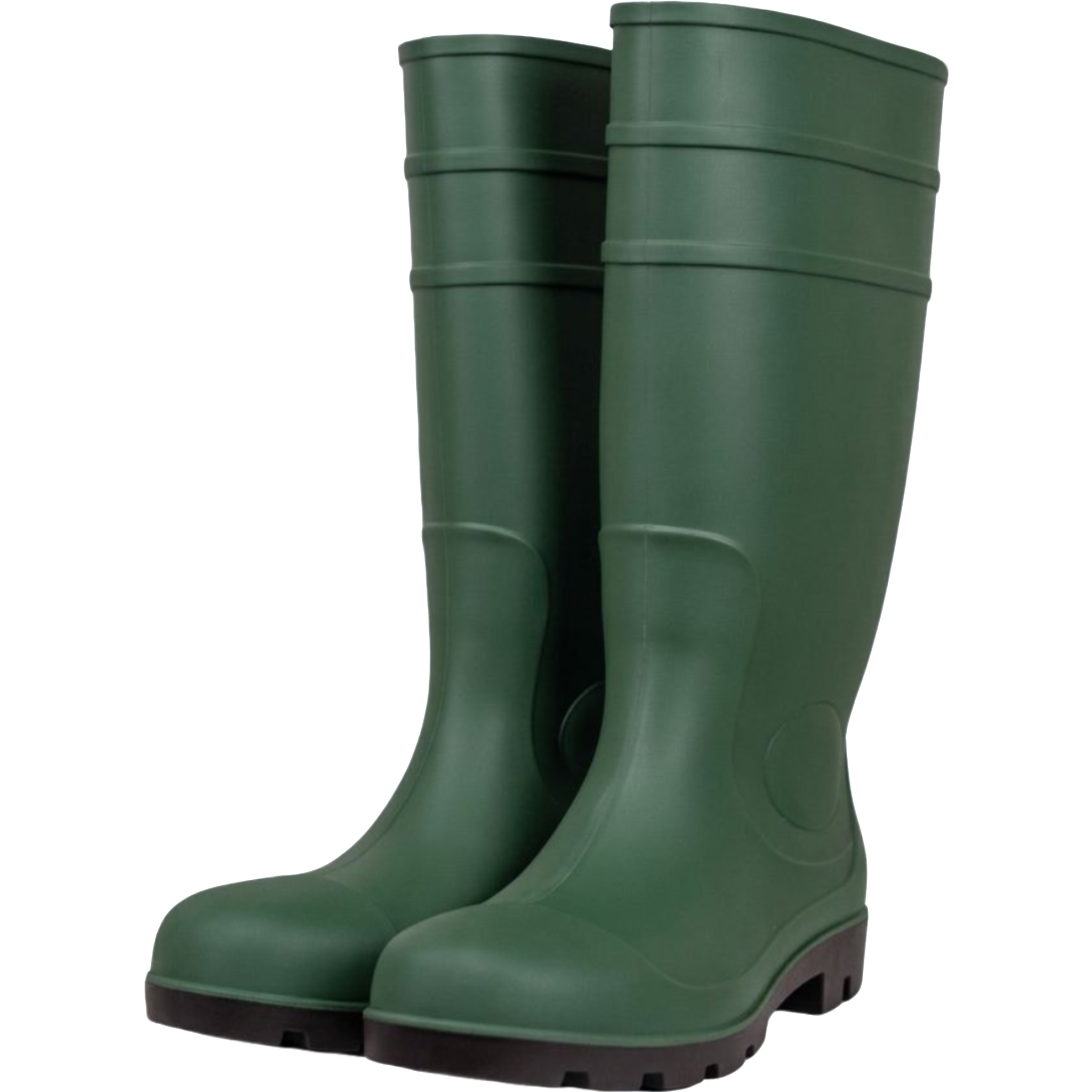
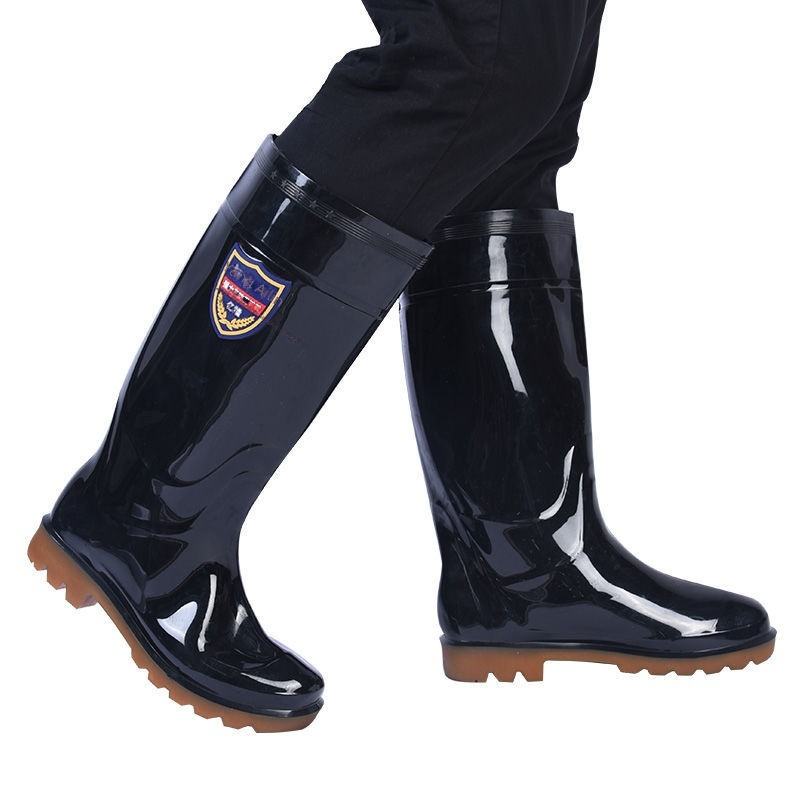
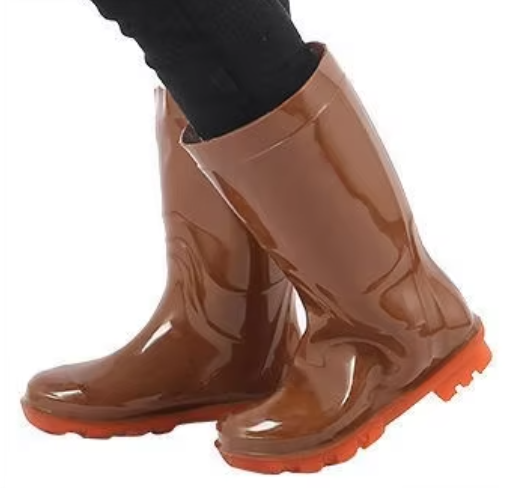
- First, match boot material to your activity: For short (4-hour) tasks in light humidity, PVC rain boots with a basic micro-porous lining work well, while 8+ hour outdoor work requires boot-grade rubber with a certified moisture-wicking membrane, per ISO 20347:2021 standards.
- Measure foot size with thick work socks worn during activities, to avoid tight fits that restrict air circulation inside the boot shaft; over-tightness traps sweat and reduces breathability, even in high-quality materials.
- Check for seamless construction: Inspect the shaft and outsole seams visually, avoiding boots with glued or stitched seams that can develop gaps over time in humid conditions.
- Test ventilation: If possible, hold the boot shaft up to a light source; a good breathable design will show small, evenly distributed pores that are not visible to the naked eye.
- Verify slip resistance rating: For work on wet concrete or mud, confirm compliance with EN ISO 20347:2022+A1:2024 to ensure grip does not fail in humid, slippery conditions.
4. Daily Maintenance and Precautions
Proper maintenance preserves breathability and extends the lifespan of rain boots, especially those used extensively in humid climates. First, after each use, wipe the exterior with a damp cloth to remove dirt, mud or chemical residues that can clog pores and reduce ventilation. Never use strong solvents, such as bleach or acetone, to clean the interior, as these can damage moisture-wicking linings and break down the waterproof membrane over time.
When drying boots, remove insoles if removable, and air them in a well-ventilated area away from direct sunlight or space heaters; extreme heat can warp boot material and destroy breathable membrane properties. Do not store boots folded or stacked while damp, as trapped moisture can cause mold growth and damage internal lining fibers.
Key precautions to avoid performance issues: Never use breathable rain boots as protective footwear for heavy industrial work, such as handling corrosive chemicals, as standard breathable rain boots do not meet EN 13832-3:2018 chemical resistance requirements. Also, avoid wearing breathable rain boots in snow, as frozen moisture can clog pores and eliminate ventilation temporarily.
5. Industry Standard and Parameter Reference
ParameterRecommended ReferenceWhy It MattersSlip resistanceEN ISO 20344:2021 / EN ISO 20347:2022+A1:2024 where applicableHelps evaluate outsole grip on wet or contaminated surfaces, critical for humid-climate workWaterproof barrier performanceISO 20345:2022 for safety boots, ISO 20347:2021 for general footwearVerifies the boot’s ability to prevent liquid water penetration while maintaining breathabilityOccupational footwear requirementsISO 20347:2021 or EN ISO 20347:2022+A1:2024Supports non-safety occupational footwear selection for extended outdoor useChemical protective footwearEN 13832-3:2018 where prolonged chemical contact is claimedUseful for users needing boot protection alongside ventilation in humid, chemical-exposed environments
No unverified performance claims are used here; all recommendations are tied to test methods outlined in verified international standards. For specific product testing, third-party reports from SGS or Intertek (2024-2026) can provide additional data on breathability rates and long-term performance.
6. Customer Common FAQ
Q: Can all breathable rain boots handle 8+ hours of wear in 100% humidity?
A: No. Breathability performance varies by material and construction. Professional Rain Boot Manufacturer notes that boots with a durable microporous membrane can handle 6-8 hours of extended wear, but those with basic woven linings may only provide comfort for 3-4 hours in fully humid conditions.
Q: How do I prevent sweat buildup inside my breathable rain boots during long work days?
A: Use moisture-wicking socks designed for outdoor work, and remove insoles during breaks if possible to air out the boot. Avoid cotton socks, which retain moisture and increase the rate of sweat buildup.
Q: Do I need to break in breathable rain boots before extended outdoor use?
A: Yes, similar to standard rain boots. Wear them for short 1-2 hour sessions over 3-5 days before all-day wear, to ensure the lining material adjusts to foot movement and maintains ventilation gaps.
Q: Can I repair a breathable rain boot that has clogged pores from mud or dirt?
A: Lightly brush the exterior with a soft-bristled brush after drying to remove surface dirt. For deeper clogging, use mild soap and cool water, avoiding pressure washing that can damage membrane pores.
Q: Are breathable rain boots suitable for cold, humid climates?
A: They work for mild cold (above freezing), but should not be worn in temperatures below 0°C (32°F). Frozen moisture can clog pores, eliminating ventilation and increasing the risk of cold-related foot discomfort.
Conclusion
Breathable rain boots’ performance in humid climates depends on a balance of material selection, structural design, and adherence to international footwear standards. Extended outdoor wear requires matching boot specifications to activity duration and type, while proper maintenance preserves both waterproofing and ventilation over time. Professional Rain Boot Manufacturer’s focus on quality membrane technology and seamless construction directly impacts long-term comfort, making informed selection and care critical for anyone spending extended hours in rainy, humid conditions.
References
- International Organization for Standardization. (2021). ISO 20344:2021, Footwear – Test methods for whole shoe. Retrieved from https://www.iso.org/standard/78127.html
- International Organization for Standardization. (2021). ISO 20347:2021, Occupational footwear – Requirements and test methods. Retrieved from https://www.iso.org/standard/78130.html
- European Committee for Standardization. (2018). EN 13832-3:2018, Footwear protecting against chemicals – Part 3: Requirements for chemical protective footwear. Retrieved from https://www.cencenelec.eu/standards/CEN/