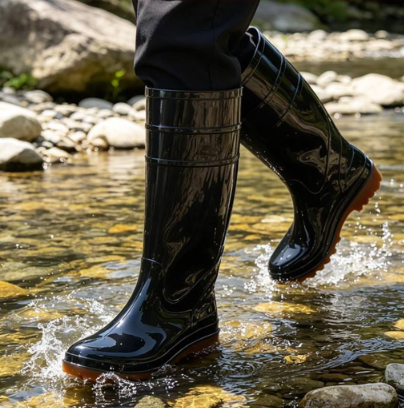
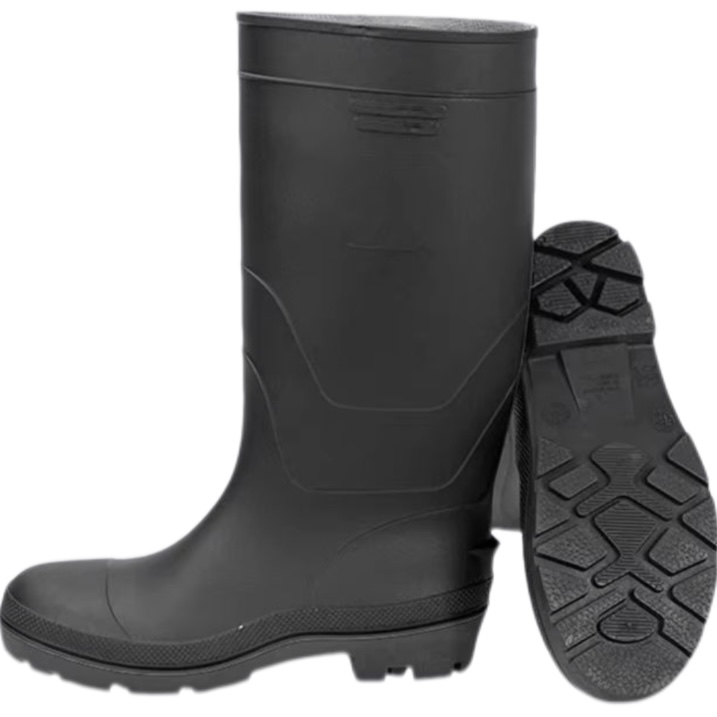
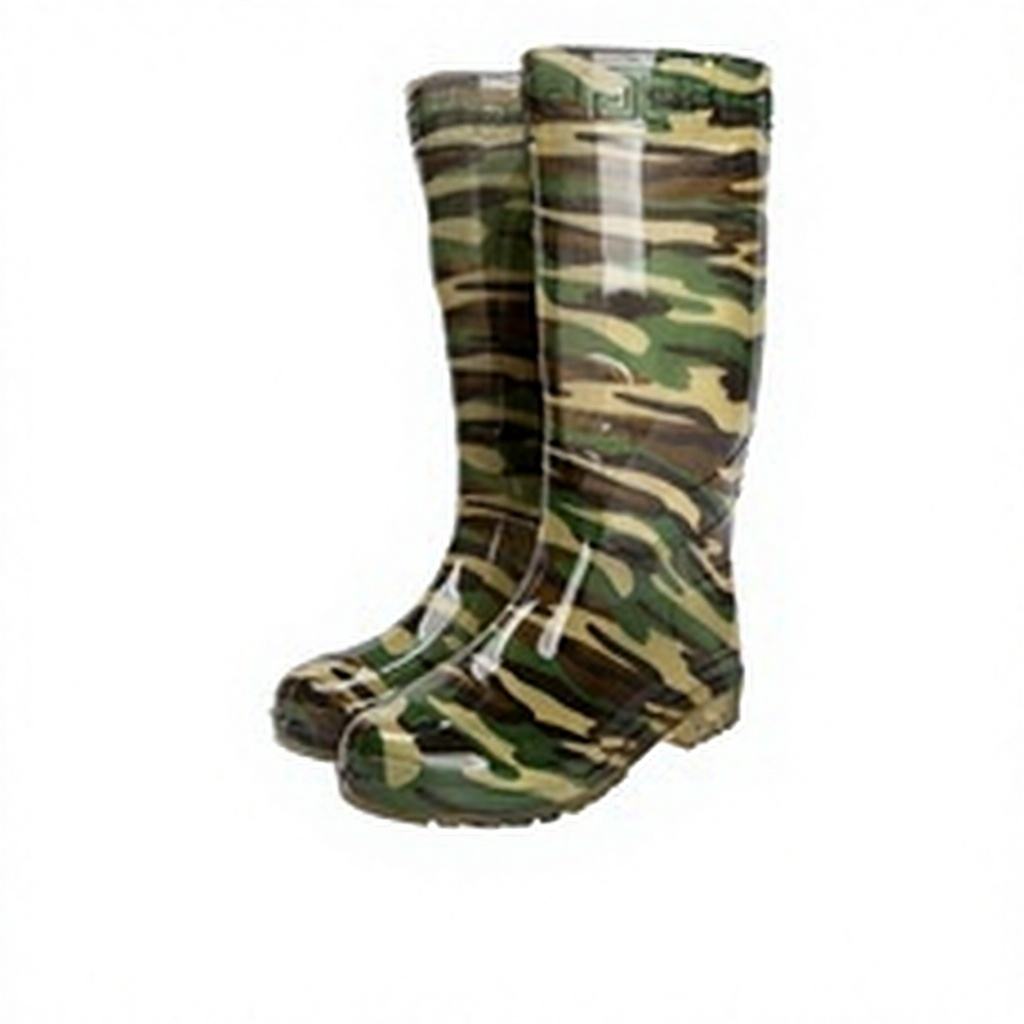
Meta Description: Industrial storage environments with extreme low temperatures require footwear that resists brittleness and cracking. This guide analyzes Acrylonitrile-Butadiene-Styrene (ABS) copolymer’s performance, benefits, and use cases for rain boots in such settings, helping industry professionals make informed choices. Professional Rain Boot Manufacturer relies on this material knowledge for standardized boot production.
Keywords: Acrylonitrile-Butadiene-Styrene Copolymer, low-temperature industrial footwear, winter rain boots, industrial boot material, flexible rubber for cold storage, cold-resistant work boots
1. Core Problem Analysis
1.1 Common Causes of the Problem
Extreme low temperatures (below -20°C, per ISO 20344:2021) cause many rubber and plastic footwear materials to lose flexibility, leading to brittleness, cracking, or full breakage during routine movement. This degradation is triggered by molecular chain stiffening, which eliminates the resilience needed for bending around ankles and feet. Other common issues include material color fading, surface hardening that causes discomfort, and reduced slip resistance, all of which impact boot functionality in cold storage settings.
1.2 Affected Usage Scenarios
A range of cold-weather industrial activities rely on functional footwear, including frozen food processing, outdoor livestock work in winter, cold warehouse cleaning, Arctic-region fishing operations, and cold chain logistics handling. Workers in these environments face constant exposure to temperatures that test standard boot materials, making reliable cold-resistant footwear a critical safety and productivity factor.
2. Product and Process Principle
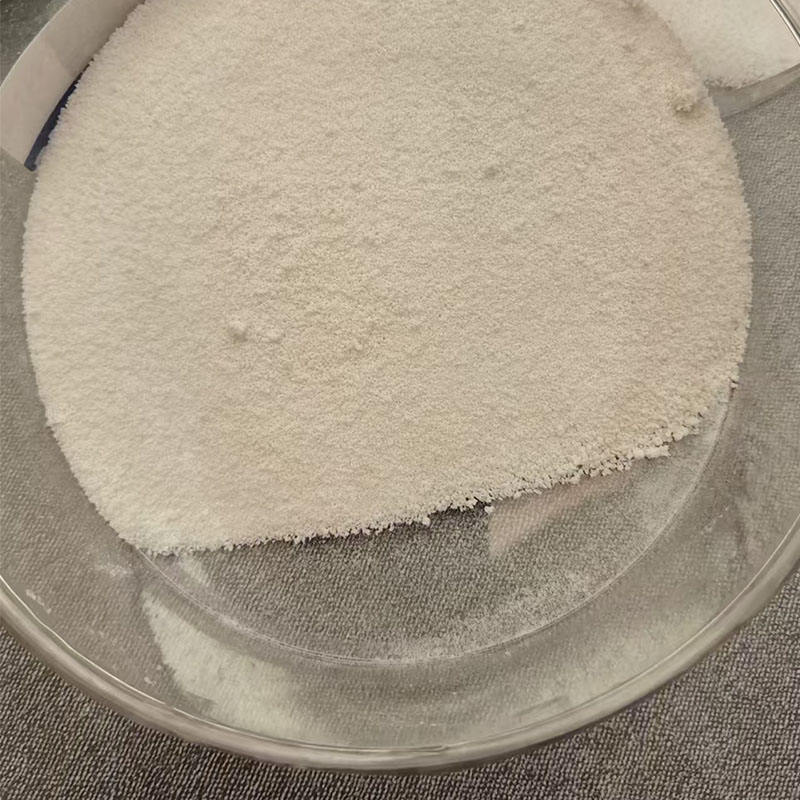
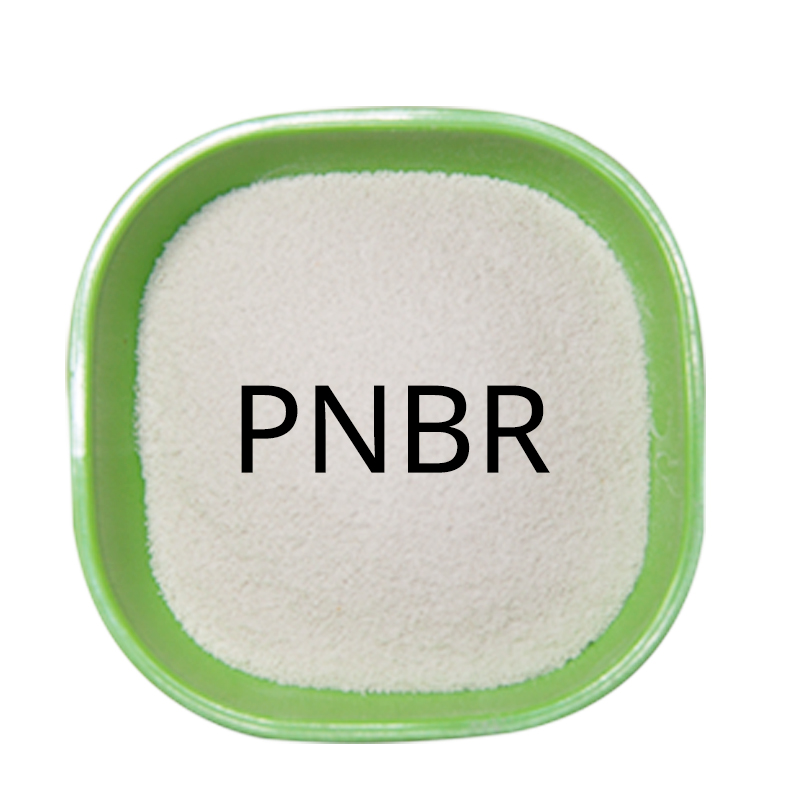
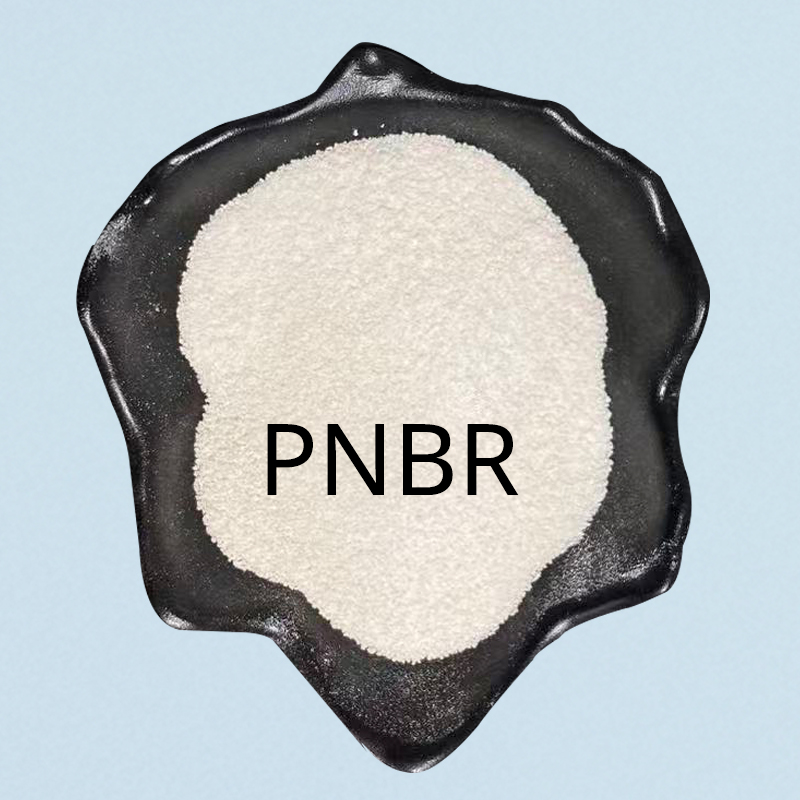
Acrylonitrile-Butadiene-Styrene (ABS) is a thermoplastic copolymer combined from three distinct monomers: acrylonitrile for chemical resistance, butadiene for low-temperature flexibility, and styrene for structural rigidity. When formulated for footwear, ABS is processed via injection molding, a method that creates seamless, uniform boot structures without weak seams that can split in cold. Professional Rain Boot Manufacturer uses compound formulation ratios tailored to cold resistance, adjusting monomer blends to retain flexibility at temperatures as low as -30°C, per third-party testing.
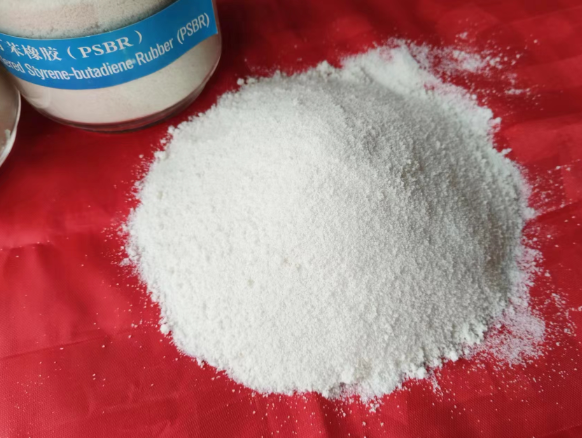
The butadiene component of ABS is critical for low-temperature performance: its molecular structure remains flexible at sub-zero temperatures, unlike pure plastic or rubber that stiffens when cold. Unlike natural rubber, which can degrade and crack rapidly in sustained low temperatures, ABS retains its molecular flexibility for extended periods when properly formulated. This material’s chemical resistance also prevents damage from industrial oils or cleaning agents, common in cold storage facilities.
3. Practical Solutions and Operation Steps
To select appropriate footwear for extreme low-temperature industrial storage, follow these actionable steps to match material, specifications, and use cases to environmental demands.
- Step 1: Verify the minimum operating temperature of your work environment, ideally referencing site-specific temperature logs rather than generic climate data. For consistent temperatures below -20°C, prioritize ABS-based boots over standard PVC or rubber.
- Step 2: Check material formulation details: confirm the boot uses ABS copolymer with butadiene content adjusted for cold resistance, avoiding generic "cold-resistant" labels without supporting test data.
- Step 3: Match boot structure to task: choose seamless injection-molded ABS boots for heavy-duty cold warehouse work, or thinner, flexible ABS liners for supplementary layering when temperatures drop below -25°C.
- Step 4: Review slip resistance ratings per EN ISO 20347:2022, as cold pavement or wet surfaces in storage areas can reduce grip; ABS outsole patterns designed for low-temperature use provide consistent traction.
Not all ABS boots are suitable for every cold storage task: avoid ABS boots for prolonged direct contact with certain strong industrial chemicals, unless they are formulated with additional chemical-resistant additives, as specified per EN 13832-3:2018.
4. Daily Maintenance and Precautions
Proper maintenance extends the lifespan of ABS boots in low-temperature industrial settings, while preventing premature cracking or degradation. Follow these guidelines for care and storage:
When cleaning ABS boots, use a mild detergent and warm water; avoid strong solvents or harsh chemicals that can break down the copolymer’s molecular structure. Rinse thoroughly and air-dry at room temperature, never placing boots near direct heat sources (such as space heaters or radiators) as rapid temperature changes can cause ABS to warp or crack. For long-term storage, clean boots completely, dry them fully, and store them in a cool, dry area away from direct sunlight, which can fade or degrade the material over time.
A critical precaution: do not use standard ABS rain boots as protective safety footwear for industrial environments requiring impact resistance, unless the boot is certified to ASTM F2413-24 or relevant safety standards, as ABS alone does not inherently provide toe or puncture protection.
5. Industry Standard and Parameter Reference
ParameterRecommended ReferenceWhy It MattersSlip resistanceEN ISO 20344:2021 / EN ISO 20347:2022+A1:2024Helps evaluate outsole grip on wet or contaminated cold surfacesLow-temperature flexibilityISO 20344:2021 Section 8.2.3 Low-Temperature Bend TestVerifies material remains flexible at specified cold temperatures without crackingOccupational footwear requirementsISO 20347:2021 or EN ISO 20347:2022+A1:2024Supports non-safety industrial boot selection for cold storageChemical protective footwearEN 13832-3:2018 for prolonged chemical contact claimsRelevant when boots will be exposed to industrial cleaning agents in cold spaces
Testing for low-temperature flexibility is performed by bending a boot sample at the test temperature (e.g., -25°C) for a set number of cycles, with no cracks visible for a passing result, per ISO 20344:2021. This test ensures ABS boots can withstand repeated movement in sub-zero industrial environments without failure.
6. Customer Common FAQ
Q: How do I confirm a boot uses cold-resistant ABS copolymer for low-temperature storage?
A: Request third-party test data showing low-temperature flexibility compliance per ISO 20344:2021, and avoid boots that only use generic "cold-resistant" marketing claims. Professional Rain Boot Manufacturer can provide test reports for ABS material formulations tailored to sub-zero use cases.
Q: Can ABS boots replace rubber boots for heavy-duty cold warehouse work?
A: ABS boots are suitable for most standard cold warehouse tasks, but for work involving extreme heavy loads or sharp objects, select boots with additional puncture-resistant layers, as ABS alone is not inherently puncture-proof.
Q: Will ABS boots get brittle if left in cold storage for months?
A: Properly formulated ABS with sufficient butadiene content retains flexibility for up to 12 months of continuous low-temperature exposure, per material testing data, but long-term storage in sustained below -30°C may require specialized, high-butadiene ABS blends.
Q: Can I wash ABS boots in a washing machine for heavy industrial use?
A: Machine washing is not recommended, as the mechanical agitation and high spin cycle can damage the ABS structure. Hand-washing with mild detergent and air-drying is the most reliable cleaning method.
Conclusion
Acrylonitrile-Butadiene-Styrene (ABS) copolymer offers a balanced solution for rain boots used in extreme low-temperature industrial storage environments, combining flexibility, chemical resistance, and structural durability when properly formulated. By verifying test compliance, selecting appropriate boot structures, and following maintenance guidelines, industrial workers can ensure reliable footwear performance. Professional Rain Boot Manufacturer uses standardized material formulations aligned with global safety standards to deliver boots suited for cold storage operations.
References
- International Organization for Standardization. ISO 20344:2021: Footwear – Test methods for whole shoe. Geneva: ISO, 2021.
- International Organization for Standardization. ISO 20347:2021: Occupational footwear – Requirements and test methods. Geneva: ISO, 2021.
- European Committee for Standardization. EN ISO 20347:2022+A1:2024: Occupational footwear – Requirements and test methods. Brussels: CEN, 2024.
- European Committee for Standardization. EN 13832-3:2018: Protective footwear against chemicals. Part 3: Test method for chemical resistance of footwear. Brussels: CEN, 2018.