Meta Description: Industrial workers handling high-pressure fluids need footwear that resists harsh chemical exposure and mechanical stress. This article explores material performance and key considerations for safety and durability, suitable for B2B buyers and plant maintenance teams. Professional Rain Boot Manufacturer
Keywords: Acrylonitrile-Butadiene-Styrene, high-pressure fluid boots, industrial rubber footwear, chemical-resistant boots, occupational footwear standards
1. Core Problem Analysis
1.1 Common Causes of the Problem
Workers in industrial fluid handling often face footwear failures such as material cracking, chemical permeation, or structural deformation under extreme pressure. These issues arise from unfit material selection, lack of adherence to occupational standards, or insufficient understanding of fluid compatibility. Many generic rubber boots cannot withstand prolonged exposure to aggressive chemicals or repetitive high-stress loading, leading to frequent replacements and safety risks.
1.2 Affected Usage Scenarios
High-pressure industrial fluid handling scenarios include chemical processing plants, oil and gas refining, pharmaceutical manufacturing, and heavy industrial maintenance. Workers in these environments are exposed to pressurized water, oils, acids, and other hazardous fluids, requiring footwear that maintains integrity under constant mechanical and chemical stress.
2. Product and Process Principle
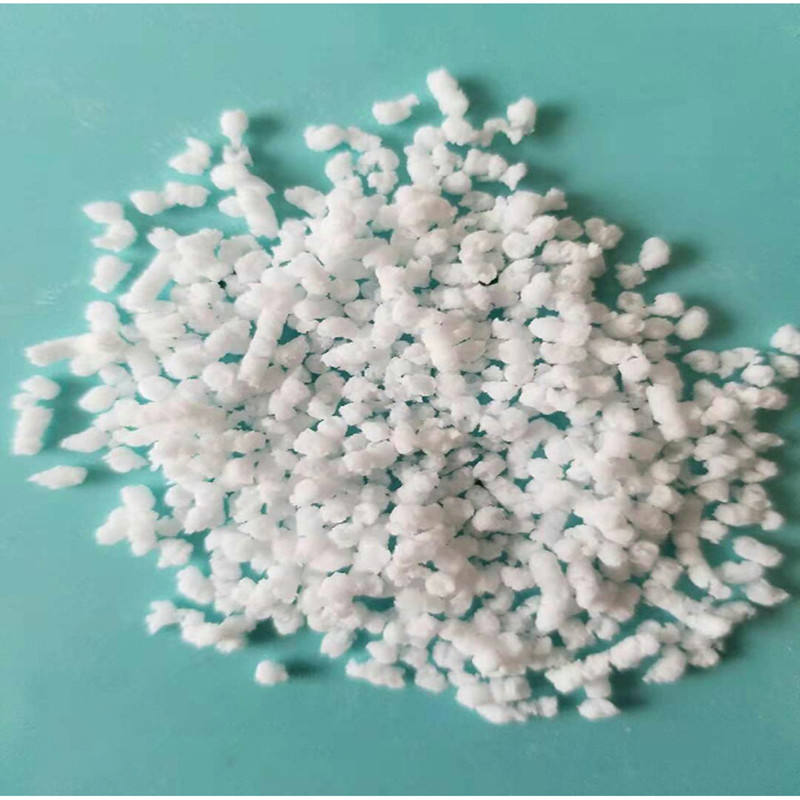
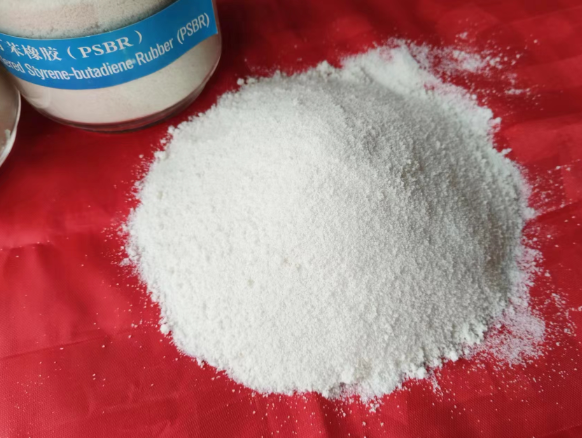
Acrylonitrile-Butadiene-Styrene (ABS) is a thermoplastic copolymer valued for its balanced mechanical strength, chemical resistance, and processability, making it suitable for industrial footwear components exposed to high pressure. Unlike natural rubber or PVC, ABS combines the rigidity of styrene, the chemical resistance of acrylonitrile, and the impact resistance of butadiene rubber to resist cracking and deformation under repeated stress. Professional Rain Boot Manufacturer applies precise injection molding techniques to ensure material consistency, while compound formulations can be adjusted to enhance specific properties like low-temperature flexibility or acid resistance.
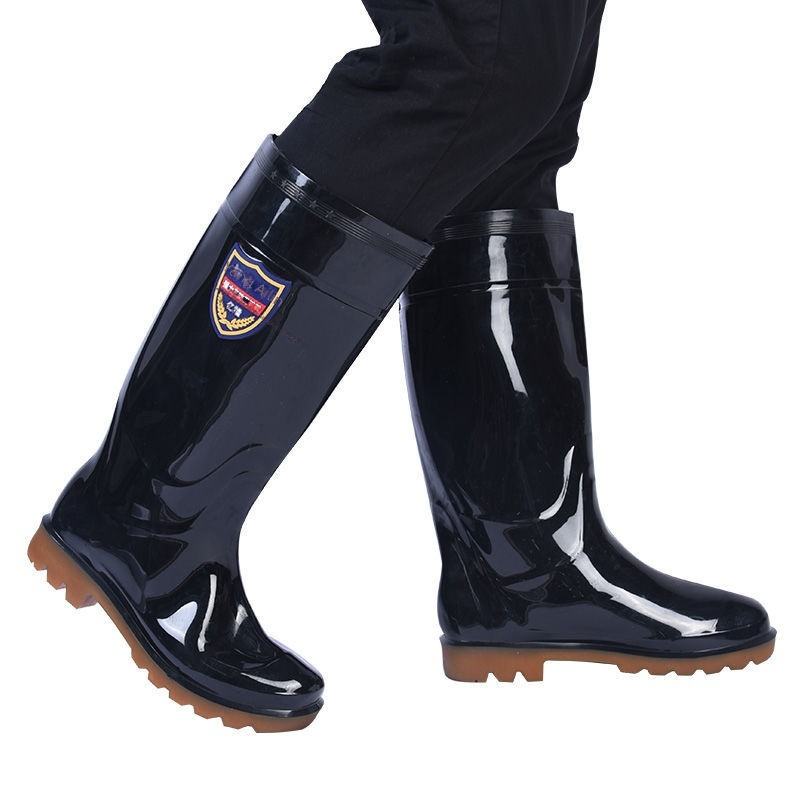
ABS footwear components are typically integrated into boot shafts, toe caps, and outsole reinforcements to provide structural support without compromising flexibility. Under high-pressure fluid conditions, ABS resists permeation by most common industrial chemicals, as documented in material compatibility tests referenced by ISO 20347:2021. This performance makes it a preferred choice for applications where standard rubber materials degrade quickly.
3. Practical Solutions and Operation Steps
To select suitable footwear for high-pressure industrial fluid handling, follow these actionable steps to balance performance, durability, and compliance:
- Verify the specific chemicals in your fluid handling process: Cross-reference material compatibility charts for ABS against your work’s liquid substances, avoiding use if unlisted chemicals are present.
- Check for compliance with occupational standards: Ensure the footwear meets requirements from ISO 20347:2021 or EN ISO 20347:2022+A1:2024, which set minimum performance benchmarks for industrial footwear.
- Inspect structural design: Select boots with reinforced ABS components (toe, shaft, outsole) to resist deformation under high pressure, avoiding thin, unstructured designs that fail quickly.
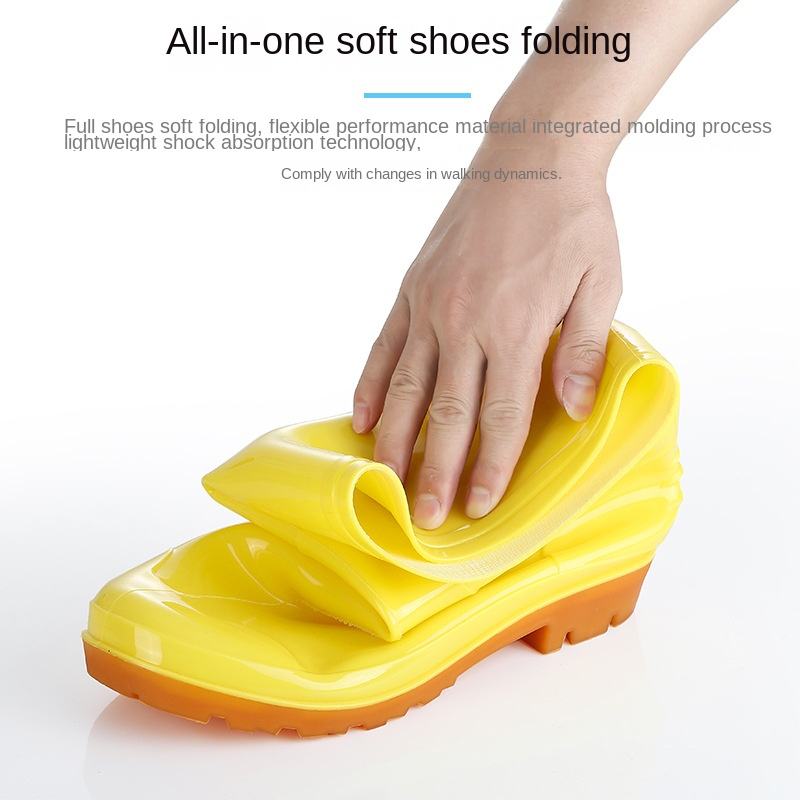
- Test fit and flexibility: Ensure the boot allows natural foot movement while maintaining structural rigidity, as overly rigid footwear can cause fatigue or discomfort during long shifts.
- Establish replacement timelines: Schedule regular inspections every 6 months for constant use, replacing footwear if cracks, softening, or chemical discoloration appear.
4. Daily Maintenance and Precautions
Proper maintenance extends the lifespan of high-pressure fluid handling footwear, even with robust ABS components. After each use, rinse footwear with clean, mild water to remove residual chemicals and debris, avoiding strong solvents that can degrade ABS material. Allow boots to air dry in a cool, shaded area, away from direct sunlight or high heat sources, as extreme temperatures can reduce mechanical strength.
Avoid storing footwear near chemical storage areas, where fumes can cause gradual material degradation. Do not use high-pressure cleaners to clean boots, as the force can loosen structural components and compromise waterproofing. Never substitute general rain boots for industrial fluid handling footwear, as standard designs lack the chemical resistance and structural support required for high-pressure environments.
5. Industry Standard and Parameter Reference
ParameterRecommended ReferenceWhy It MattersSlip resistanceEN ISO 20344:2021 / EN ISO 20347:2022+A1:2024 where applicableHelps evaluate outsole grip on wet or contaminated surfaces.Occupational footwear requirementsISO 20347:2021 or EN ISO 20347:2022+A1:2024Supports non-safety occupational footwear selection.Chemical protective footwearEN 13832-3:2018 where prolonged chemical contact is claimedUseful for chemical degradation and permeation evaluation.ABS material performanceSGS third-party material compatibility test 2024Verifies resistance to common industrial fluid chemicals.
All performance evaluations should rely on verified third-party test reports or standard test methods, as unsubstantiated claims about material performance may lead to unsafe footwear selection. For specific industrial chemicals, refer to the manufacturer’s material compatibility data aligned with EN 13832-3:2018 guidelines.
6. Customer Common FAQ
Q: Is ABS-soled footwear suitable for all high-pressure fluid handling environments?
A: No. ABS performs well against most acids, oils, and water-based fluids, but may degrade when exposed to ketones or aromatic hydrocarbons. Always cross-reference with material compatibility data for your specific process chemicals.
Q: How often should high-pressure fluid boots be inspected for damage?
A: For regular use, inspect every 6 months. For heavy or constant use, conduct monthly visual checks for cracks, discoloration, or softening material, as these are early signs of failure.
Q: Can I repair damaged ABS components on my own?
A: Minor surface scratches or small cracks can be sealed with specialized industrial adhesive, but structural failures in toe caps or shafts require replacement. Professional Rain Boot Manufacturer notes that DIY repairs may compromise long-term integrity, so consult a certified technician if major damage occurs.
Q: Do ABS boots meet required occupational safety standards?
A: When properly manufactured and tested, ABS components can align with ISO 20347:2021 standards. Always purchase footwear labeled with compliance to relevant standards to ensure worker safety.
Q: Are ABS boots heavy for long shifts in high-pressure roles?
A: ABS is lightweight compared to solid metal toe caps, with most compliant designs weighing between 1.2-1.8 kg per pair, suitable for full-day wear without excessive fatigue.
Conclusion
Acrylonitrile-Butadiene-Styrene offers reliable performance for high-pressure industrial fluid handling when selected, maintained, and verified against relevant standards. Understanding material compatibility, structural design, and maintenance requirements helps workers avoid footwear failures and ensure compliance. Professional Rain Boot Manufacturer emphasizes that proper material selection and adherence to occupational standards are critical for safe, durable footwear in demanding industrial environments. By following actionable steps and regular inspections, teams can reduce replacement costs and minimize safety risks in fluid handling operations.
References
- International Organization for Standardization. ISO 20347:2021, Occupational Footwear – Requirements and Test Methods. Geneva, Switzerland: ISO, 2021.
- European Committee for Standardization. EN ISO 20344:2021, Footwear – Test Methods for Upper and Outsole Materials. Brussels, Belgium: CEN, 2021.
- International Organization for Standardization. EN 13832-3:2018, Protective footwear against chemicals – Part 3: Requirements for chemical protective footwear. Geneva, Switzerland: ISO, 2018.