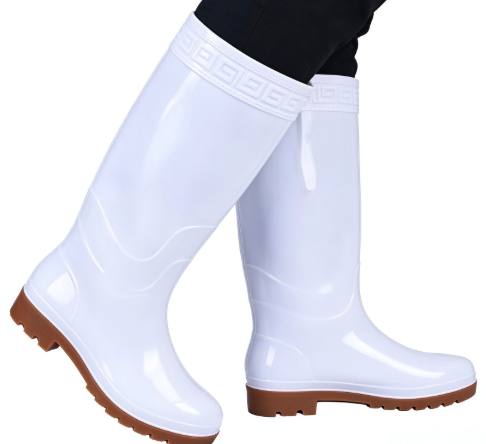
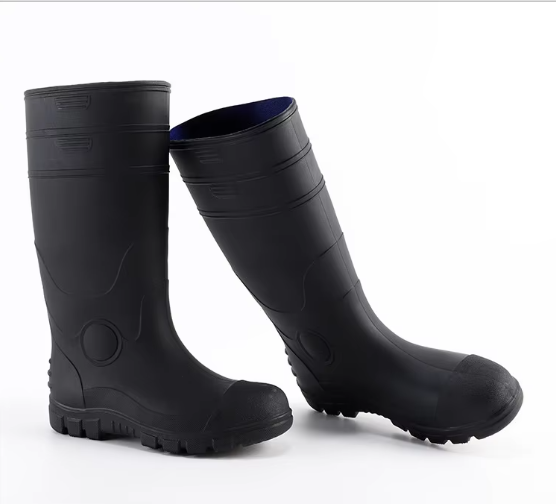
Meta Description: Corrosive worksites like chemical handling, industrial cleaning, and agricultural pesticide application demand footwear that resists degradation from harsh substances. Many workers struggle with conventional boots that crack, leak, or lose grip over time. This guide breaks down the core issues, material principles, and practical solutions for selecting the right protective footwear, helping users make informed choices. Professional Rain Boot Manufacturer.
Keywords: acid and alkali resistant boots, work footwear, chemical resistant boots, industrial boots, boot maintenance, workplace safety boots
1. Core Problem Analysis
1.1 Common Causes of the Problem
Worksite footwear failures in corrosive environments typically stem from material incompatibility with strong acids, alkalis, or chemical solutions. Conventional rubber or PVC boots often break down when exposed to repeated contact with corrosive substances, leading to cracking, seam separation, or permeation. Additional issues include slippery outsole tread on contaminated surfaces, inadequate shaft height to prevent chemical splashes, and poor lining that retains moisture or degrades quickly. For workers, these problems not only lead to frequent footwear replacement but also pose safety risks from chemical exposure and falls.
1.2 Affected Usage Scenarios
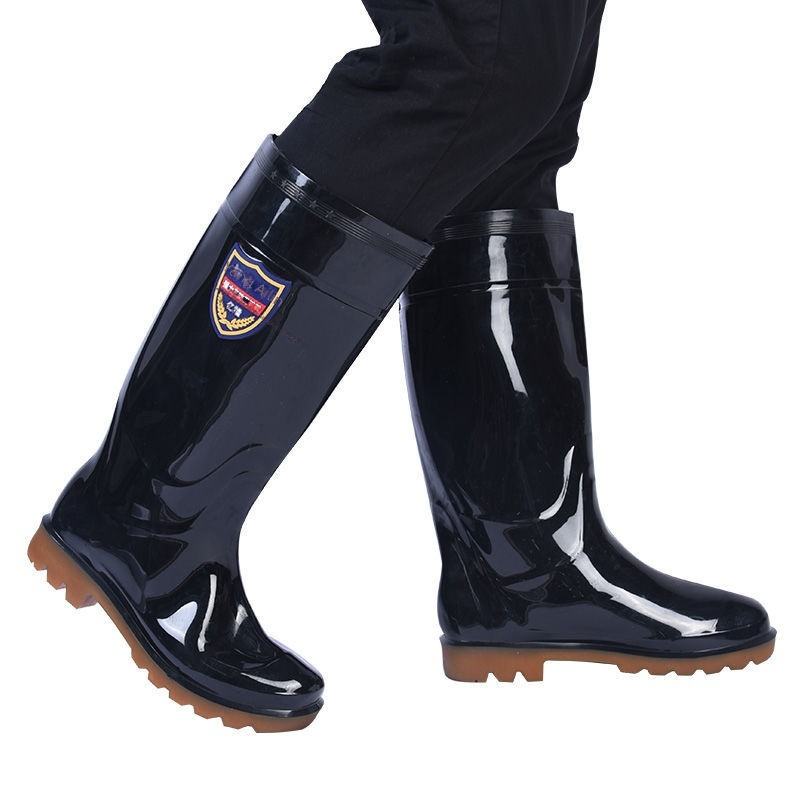
Acid and alkali resistant boots address challenges in a range of high-risk worksites. Common applications include chemical manufacturing facilities, industrial cleaning operations, agricultural pesticide handling, food processing plants with acidic or alkaline cleaning agents, and laboratory environments. Other relevant scenarios include wastewater treatment plants, battery recycling sites, and construction worksites where concrete mixing solutions (highly alkaline) are present. Each of these settings has unique chemical exposure profiles that require tailored boot properties, from resistance to dilute acids to strong alkalis like sodium hydroxide.
2. Product and Process Principle
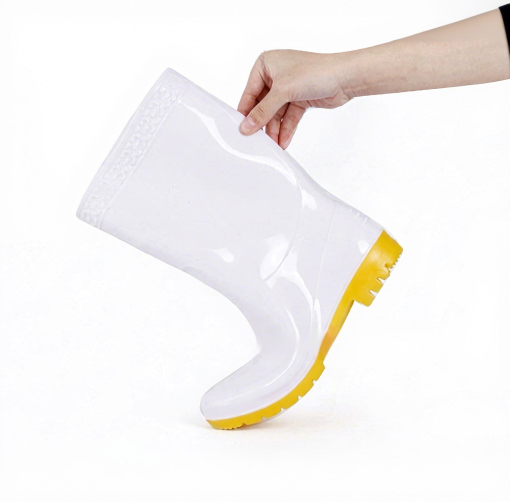
Acid and alkali resistant boots are constructed using specialized material formulations designed to withstand chemical degradation, with production processes that eliminate weak points prone to failure. Key materials include cross-linked rubber, nitrile rubber, and modified PVC compounds that resist permeation from acids and alkalis. Unlike conventional boots, these products use seamless injection molding or vulcanization processes rather than adhesive bonding, reducing seam gaps where chemicals can penetrate. Professional Rain Boot Manufacturer explains that material compound ratios are adjusted to balance chemical resistance, flexibility, and slip resistance, with controlled thickness to maintain durability without sacrificing comfort.
The outsole is a critical component, designed with deep, non-porous tread patterns that repel corrosive liquids and maintain grip. Shaft height is also engineered to cover the ankle and lower calf, with reinforced seams that are either vulcanized or chemically bonded to prevent separation during exposure. Lining materials are often moisture-wicking synthetic fabrics that resist chemical breakdown, ensuring the boot remains functional even after repeated contact with dilute substances. This combination of material science and precision manufacturing ensures the boots can perform in challenging worksite conditions.
3. Practical Solutions and Operation Steps
Selecting the right acid and alkali resistant boot requires matching properties to specific worksite conditions, following objective, measurable criteria rather than vague claims. Below are actionable steps to choose and use these boots effectively:
- Step 1: Identify the primary chemicals present in your worksite, including their concentration and frequency of contact (e.g., dilute vs. strong acids, short splashes vs. prolonged immersion).
- Step 2: Verify compliance with relevant industry standards, such as EN 13832-3:2018 for chemical protective footwear, to ensure the boot meets minimum resistance requirements.
- Step 3: Test the outsole slip resistance on your worksite’s specific surfaces (e.g., wet concrete, metal flooring) rather than relying on general performance claims, using a slip resistance tester if available.
- Step 4: Choose shaft height based on work tasks: ankle-height boots for light chemical splashes, calf-height boots for tasks involving submersion or heavy splashes.
- Step 5: Select a size that allows thick, moisture-wicking socks to be worn comfortably, ensuring the boot does not restrict movement or cause blisters during long shifts.
It is important to note that acid and alkali resistant boots are not universal; a boot resistant to weak citric acid will not necessarily withstand strong sulfuric acid, so matching selection to exact worksite conditions is critical. For tasks involving frequent immersion in strong chemicals, additional protective gear such as chemical-resistant gloves should be used alongside the boots.
4. Daily Maintenance and Precautions
Proper maintenance extends the lifespan of acid and alkali resistant boots, preventing premature degradation and ensuring consistent performance. Key practices include rinsing boots with clean water immediately after exposure to corrosive substances, removing all traces of chemicals from the surface and seams. After rinsing, boots should be air-dried in a well-ventilated area away from direct sunlight and high heat sources, as UV exposure and extreme temperatures can break down chemical-resistant materials over time.
Avoid using strong solvents, bleach, or harsh cleaning agents to wash the boots, as these can react with the material and reduce its resistance properties. When storing, hang boots in a cool, dry place away from sharp objects or heavy items that could puncture the outsole or shaft. It is also critical to avoid wearing acid and alkali resistant boots in non-corrosive environments unnecessarily, as overexposure to general dirt, oil, or water can degrade the material’s protective properties over time. Never use these boots as general work boots for tasks like hiking or muddy outdoor work, as they are designed specifically for chemical resistance and may lack other necessary properties.
5. Industry Standard and Parameter Reference
Acid and alkali resistant boot performance is standardized by international bodies to ensure consistent quality and reliability. Below is a table of key parameters and their relevant reference standards, aligned with industry testing protocols:
ParameterRecommended ReferenceWhy It MattersSlip resistanceEN ISO 20344:2021 / EN ISO 20347:2022+A1:2024 where applicableHelps evaluate outsole grip on wet or contaminated surfaces.Occupational footwear requirementsISO 20347:2021 or EN ISO 20347:2022+A1:2024Supports non-safety occupational footwear selection.Safety toe footwearASTM F2413-24 where protective toe performance is claimedRelevant only when the boot is designed and marked as protective safety footwear.Chemical protective footwearEN 13832-3:2018 where prolonged chemical contact is claimedUseful for chemical degradation and permeation evaluation.Acid resistanceISO 22270:2006Tests resistance of footwear materials to dilute mineral acids common in worksites.Alkali resistanceISO 22271:2006Evaluates material performance against alkaline solutions like sodium hydroxide.According to EN 13832-3:2018, chemical protective footwear must undergo permeation testing to determine how long a material can resist a specific chemical before it passes through to the inner surface. This standard ensures that boots designed for corrosive worksites meet minimum safety thresholds for chemical resistance, though users must confirm the test matches the chemicals present in their environment.
6. Customer Common FAQ
Q: How do I know if my boot is truly acid and alkali resistant, not just marketed as such?
A: Look for third-party test reports from organizations like SGS or Intertek, which verify chemical resistance performance against specific standards. Professional Rain Boot Manufacturer recommends requesting test data that matches the chemicals used in your worksite, as resistance to one chemical does not guarantee protection against another.
Q: Can I repair a cracked acid and alkali resistant boot at home?
A: Minor surface cracks may be sealed with a compatible chemical-resistant adhesive, but this is not a permanent solution. Most repairs cannot restore the material’s original permeation resistance, so damaged boots should be replaced immediately to avoid chemical exposure.
Q: Do acid and alkali resistant boots work for both strong acids and strong alkalis?
A: Some boots are formulated for general resistance, but many are optimized for either acids or alkalis. Always match the boot’s resistance to the primary chemical present in your worksite to ensure adequate protection.
Q: How often should I replace my acid and alkali resistant boots?
A: Replacement frequency depends on exposure level; boots used in daily chemical contact may need replacement every 6-12 months, while those with intermittent exposure can last 1-2 years. Regular inspections for cracks, seams separation, or outsole wear are the best way to determine when replacement is needed.
Q: Are acid and alkali resistant boots comfortable to wear for long work shifts?
A: Modern designs balance chemical resistance with comfort, using flexible materials and moisture-wicking linings. Professional Rain Boot Manufacturer notes that proper sizing and choosing a boot with adequate arch support reduces fatigue during extended wear, making these boots suitable for 8-12 hour shifts.
Conclusion
Acid and alkali resistant boots solve critical worksite challenges by providing targeted protection against chemical degradation, ensuring worker safety and reducing footwear replacement costs. By understanding core material principles, verifying compliance with relevant standards, and following proper maintenance practices, users can select and maintain boots that perform consistently in corrosive environments. Professional Rain Boot Manufacturer emphasizes that the key to effective use is matching boot properties to specific worksite conditions, rather than relying on generic performance claims, to ensure long-term reliability and safety.
References
- ISO 20347:2021, Occupational Footwear – Requirements and Test Methods
- EN 13832-3:2018, Chemical Protective Footwear – Part 3: Requirements for Footwear Protecting against Liquid Chemicals
- ISO 22270:2006, Footwear – Test Methods for Resistance to Acids
- ISO 22271:2006, Footwear – Test Methods for Resistance to Alkalis