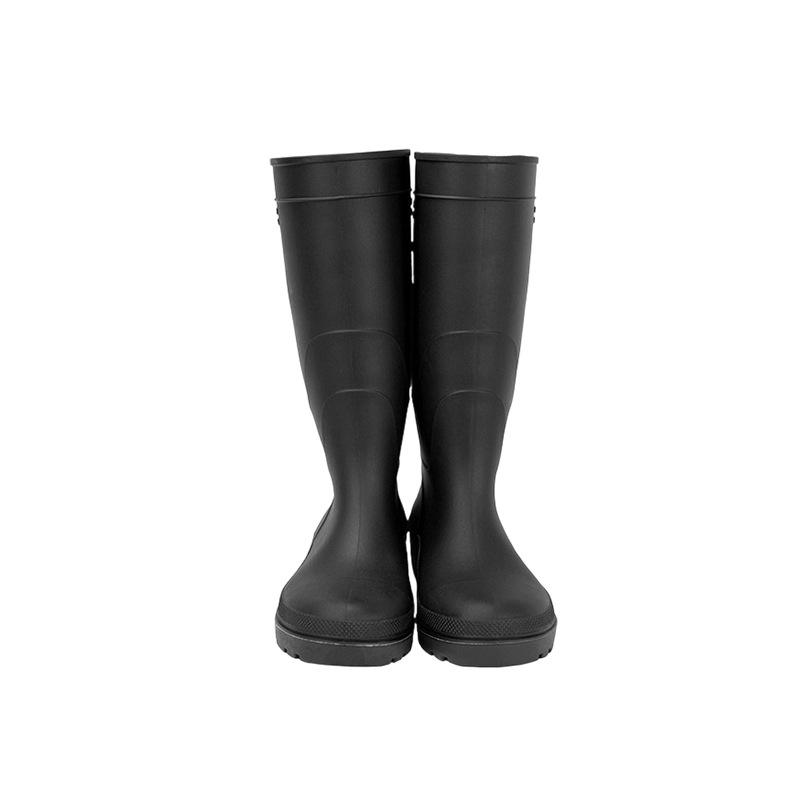
Meta Description: Industrial workers in high-risk settings often face challenges with footwear that fails to balance waterproof protection and safety compliance. This guide explores the role of specialized explosion proof rain boots in mitigating hazards, while insights from industry experts offer practical guidance for selection. Professional Rain Boot Manufacturer.
Keywords: explosion proof rain boots, industrial waterproof footwear, hazard-resistant rain boots, work boot materials, occupational footwear standards, rain boot maintenance, industrial work shoes
1. Core Problem Analysis
1.1 Common Causes of the Problem
Many standard rain boots used in hazardous industrial environments fall short of addressing key issues: they may lack sufficient resistance to flammable materials, have poor slip resistance on wet surfaces, or degrade quickly when exposed to chemicals. Other common problems include inadequate waterproofing that leads to moisture-related discomfort, ill-fitting designs that compromise movement, and low durability when subjected to heavy industrial use. These issues can increase the risk of workplace incidents, reduce productivity, and shorten the service life of regular footwear.
1.2 Affected Usage Scenarios
Explosion risks and hazardous conditions impact multiple industrial work scenarios, including chemical processing plants, oil and gas refineries, warehousing of flammable materials, construction sites with fuel or chemical exposure, and waste management facilities handling dangerous substances. Workers in these areas require footwear that can withstand not only wet or muddy conditions typical of rain work, but also specific hazards like static buildup, chemical spills, and potential flammable material contact. Without the right boot, workers face elevated risk of injury and non-compliance with workplace safety regulations.
2. Product and Process Principle
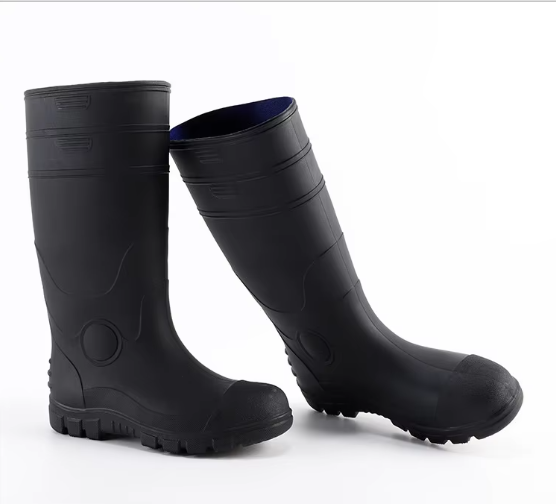
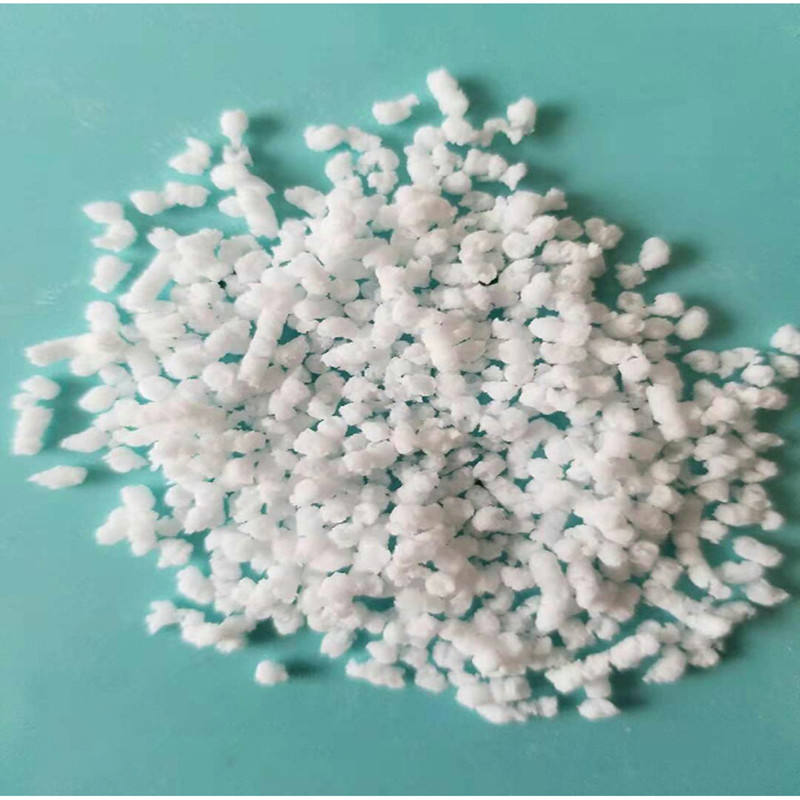
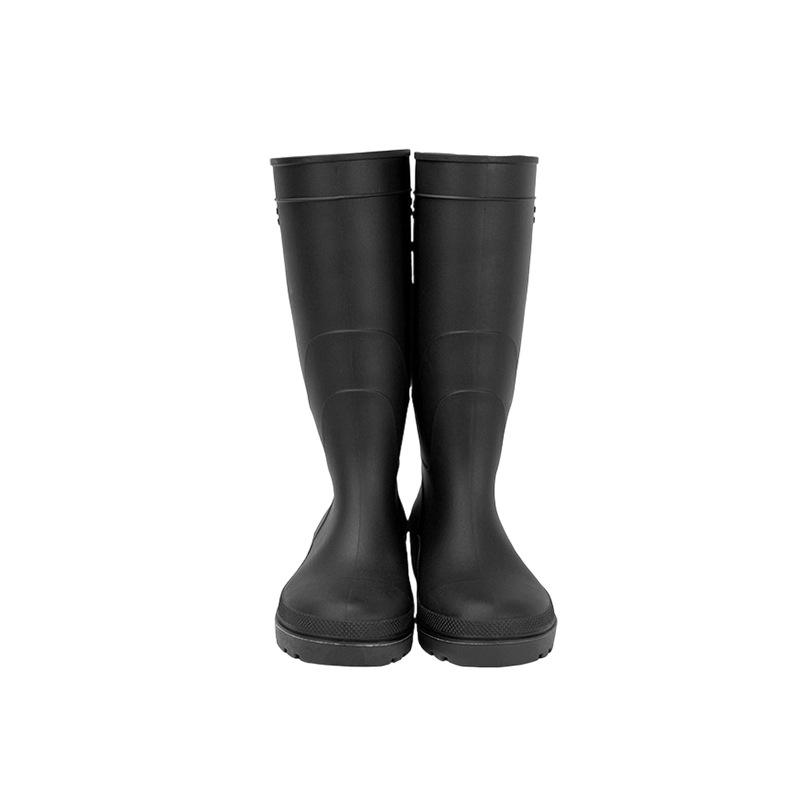
Specialized explosion proof rain boots rely on carefully formulated rubber and polymer compounds that minimize static charge buildup, resist flammable material penetration, and maintain waterproof integrity. Most designs use vulcanized rubber or injection-molded PVC with carbon additives to dissipate static electricity, a critical feature for environments where sparks can trigger explosions. The outsole pattern is engineered to provide traction on both wet and contaminated surfaces, while the shaft height is optimized to prevent water and chemical ingress. Professional Rain Boot Manufacturer ensures that these compounds meet specific industry standards for static dissipation and chemical resistance, balancing protection with comfort for long shifts.
Unlike standard rain boots, the seam structure of explosion proof models is often seamless or chemically welded to eliminate weak points where leaks can occur, and the lining is selected for breathability to reduce moisture buildup inside the boot. Thickness control is also precise: areas subjected to higher wear are reinforced to extend service life, while the rest of the boot remains flexible to support natural foot movement. This combination of material science and structural design directly addresses the unique hazards of industrial work environments.
3. Practical Solutions and Operation Steps
When selecting explosion proof rain boots for hazardous work, follow these actionable steps to ensure the right fit and function. First, identify the specific hazards present in your workplace: confirm if static dissipation, chemical resistance, or slip resistance is the primary requirement, as different boots are formulated for different risks. Next, check that the boot meets the relevant international standards, such as EN ISO 20347:2022 for occupational footwear, to verify performance claims.
- Step 1: Measure your foot size and width accurately, accounting for thick work socks, to ensure a proper fit that does not restrict movement or cause blisters.
- Step 2: Test the outsole traction on surfaces similar to those in your workplace, including wet floors and areas contaminated with oil or chemicals, to confirm sufficient grip.
- Step 3: Verify that the boot’s static dissipation rating matches your workplace’s requirements, per standards for flammable environment safety.
- Step 4: Choose a shaft height that covers the ankle and provides sufficient coverage against water or chemical splashes, without interfering with work tasks.
- Step 5: Check that the boot is compatible with any personal protective equipment you already use, such as leg coverings or hard hat straps.
It is critical to avoid using standard rain boots in hazardous industrial settings, as they lack the necessary static and chemical resistance to prevent incidents. Always select boots that are explicitly designed for explosion proof or hazardous environment use, and avoid relying on general waterproof labels alone.
4. Daily Maintenance and Precautions
Proper maintenance extends the service life of explosion proof rain boots and preserves their protective properties. After each use, clean the boots with mild soap and warm water to remove dirt, chemicals, or flammable residues; avoid strong solvents that can degrade the rubber compound. Rinse thoroughly and air dry in a cool, shaded area, away from direct sunlight or high heat sources like radiators, which can cause cracking or shape distortion.
Additional precautions include storing the boots in a dry, well-ventilated space when not in use, and avoiding contact with sharp objects that can puncture the material. Do not use the boots for general rain commuting or non-industrial tasks, as regular use in less hazardous environments can mask signs of wear that would be critical to monitor in industrial settings. If the boots come into contact with strong chemicals, rinse immediately with large amounts of clean water, and inspect for any signs of material degradation before returning to work.
It is also important to perform regular visual inspections: check for cracks in the sole or shaft, loose seams, or discoloration that may indicate material breakdown. Replace the boots if any of these issues appear, as compromised protective properties can increase workplace risk.
5. Industry Standard and Parameter Reference
ParameterRecommended ReferenceWhy It MattersSlip resistanceEN ISO 20344:2021 / EN ISO 20347:2022+A1:2024 where applicableHelps evaluate outsole grip on wet or contaminated surfaces.Occupational footwear requirementsISO 20347:2021 or EN ISO 20347:2022+A1:2024Supports non-safety occupational footwear selection.Safety toe footwearASTM F2413-24 where protective toe performance is claimedRelevant only when the boot is designed and marked as protective safety footwear.Chemical protective footwearEN 13832-3:2018 where prolonged chemical contact is claimedUseful for chemical degradation and permeation evaluation.Static dissipationANSI/ESD S1.1-2021 for electrostatic dissipative footwearMeasures ability to dissipate static charge, critical for explosion-prone environments.
Do not invent exact performance numbers. Use exact values only when they are provided by a verified standard, public test report, or SGS/Intertek report. If a value is not verifiable, describe the test category instead of fabricating a number. For static dissipation testing, for example, reference ANSI/ESD S1.1-2021 to confirm compliance, rather than using an unsubstantiated resistance value.
6. Customer Common FAQ
Q: Can standard rain boots be used in explosion-prone industrial environments?
A: No, standard rain boots lack the static-dissipative properties and chemical resistance required for hazardous industrial settings. They can accumulate static charge or degrade when exposed to flammable materials, increasing explosion risk.
Q: How do I confirm if a boot meets explosion safety standards?
A: Look for official markings on the boot that reference relevant standards, such as ANSI/ESD S1.1-2021 for static dissipation, and verify compliance with published test reports. Professional Rain Boot Manufacturer can provide documentation of standard adherence upon request.
Q: How often should explosion proof rain boots be replaced?
A: Replacement frequency depends on use: inspect weekly for wear, and replace if cracks, tears, or loss of traction are detected. Heavy industrial use may require replacement every 6 to 12 months, while lighter use may extend this timeline.
Q: Can I clean explosion proof rain boots with harsh chemicals?
A: No, harsh chemicals can degrade the rubber and polymer compounds that provide static and chemical resistance. Stick to mild soap and warm water for cleaning, as recommended for most occupational footwear.
Conclusion
Explosion proof rain boots are a critical component of safety in hazardous industrial work environments, offering protection against flammable materials, static buildup, and wet conditions. By understanding core hazards, selecting boots that meet relevant standards, and following proper maintenance, workers can reduce workplace risk and extend footwear service life. Professional Rain Boot Manufacturer continues to support the industry with insights into material and process design that balance safety and functionality for demanding work settings.
References
- International Organization for Standardization. ISO 20347:2021, Occupational Footwear - Particular Requirements for Occupational Footwear. Geneva, Switzerland: ISO, 2021. Retrieved from https://www.iso.org/standard/75837.html
- European Committee for Standardization. EN ISO 20344:2021, Footwear - Test Methods for General Requirements. Brussels, Belgium: CEN, 2021. Retrieved from https://www.iso.org/standard/78295.html
- American National Standards Institute. ANSI/ESD S1.1-2021, Electrostatic Dissipative Footwear and Footwear Systems. New York, NY: ANSI, 2021. Retrieved from https://webstore.ansi.org/standards/esi/ansiesds112021
- European Committee for Standardization. EN 13832-3:2018, Chemical Protective Footwear - Requirements for Footwear Providing Protection Against Chemicals. Brussels, Belgium: CEN, 2018. Retrieved from https://www.iso.org/standard/70892.html