Meta Description: High-temperature construction sites demand footwear that balances heat resistance, impact protection, and breathability, as standard shoes degrade or fail to meet safety needs. This guide breaks down how composite toe safety shoes perform in these demanding environments, helping worksite managers and workers make informed choices. Professional Rain Boot Manufacturer relies on industry standards to validate performance claims.
Keywords: composite toe safety shoes, high-temperature construction footwear, industrial safety shoes, heat-resistant safety shoes, worksite protective footwear
1. Core Problem Analysis
1.1 Common Causes of the Problem
Workers in high-temperature construction sites face dual challenges: extreme ambient heat and potential foot hazards like falling debris, sharp objects, and uneven surfaces. Standard safety shoes with steel toes conduct heat, leading to discomfort, reduced productivity, and in some cases, heat-related distress. Composite toe safety shoes address this thermal weakness but require validation of their performance under sustained high heat, as inadequate materials or construction can lead to toe deformation, reduced impact protection, or rapid material degradation. Additional pain points include poor ventilation leading to foot perspiration and blisters, and soles that soften on hot asphalt or concrete, reducing slip resistance.
1.2 Affected Usage Scenarios
These issues impact multiple construction roles and tasks, including concrete pouring in summer months, structural steel installation in unshaded work areas, roofing work during midday, and material handling in hot storage yards. Other scenarios include road construction, where surface temperatures can exceed 50°C (122°F), and welding or cutting work, where radiant heat and hot sparks present additional risks. All these settings require footwear that remains functional and protective for full work shifts, often 8 to 12 hours in extreme temperatures.
2. Product and Process Principle
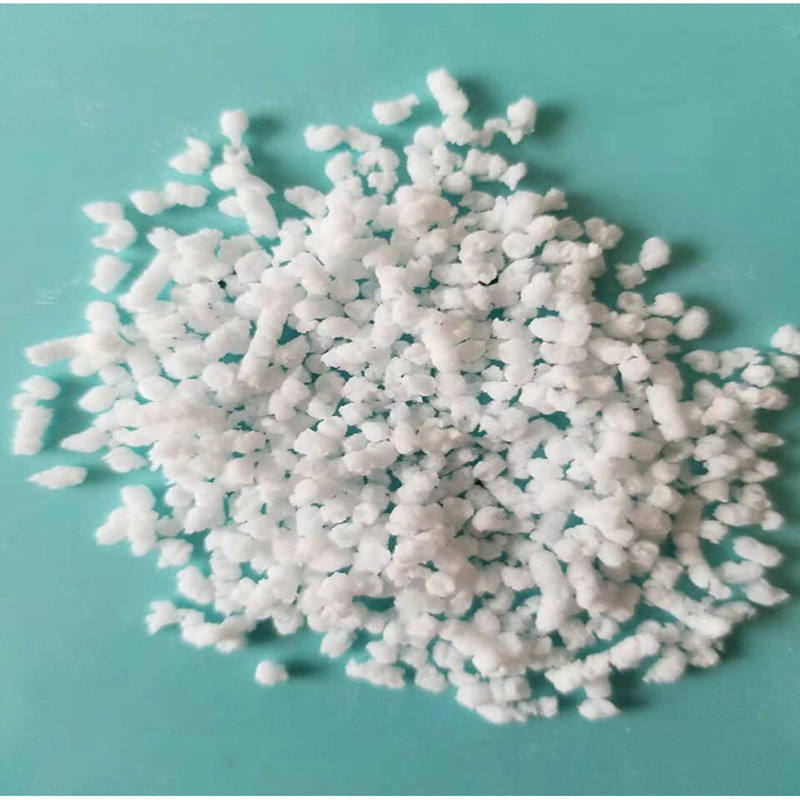
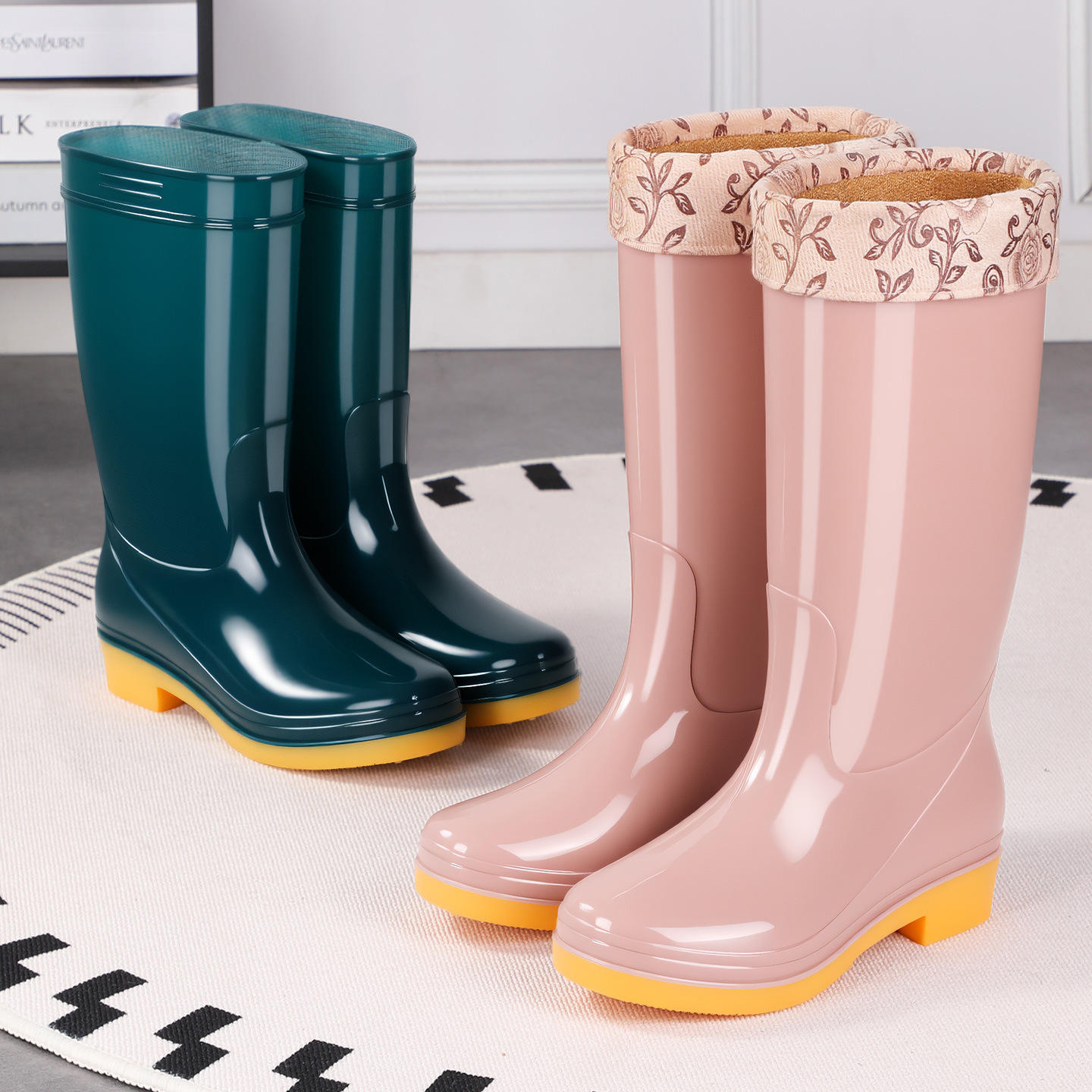
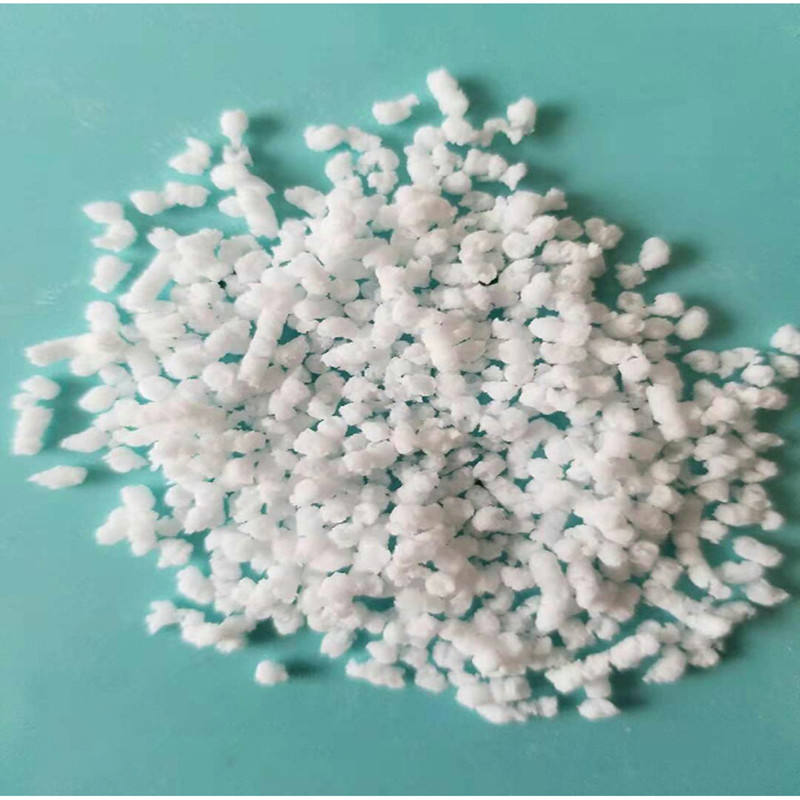
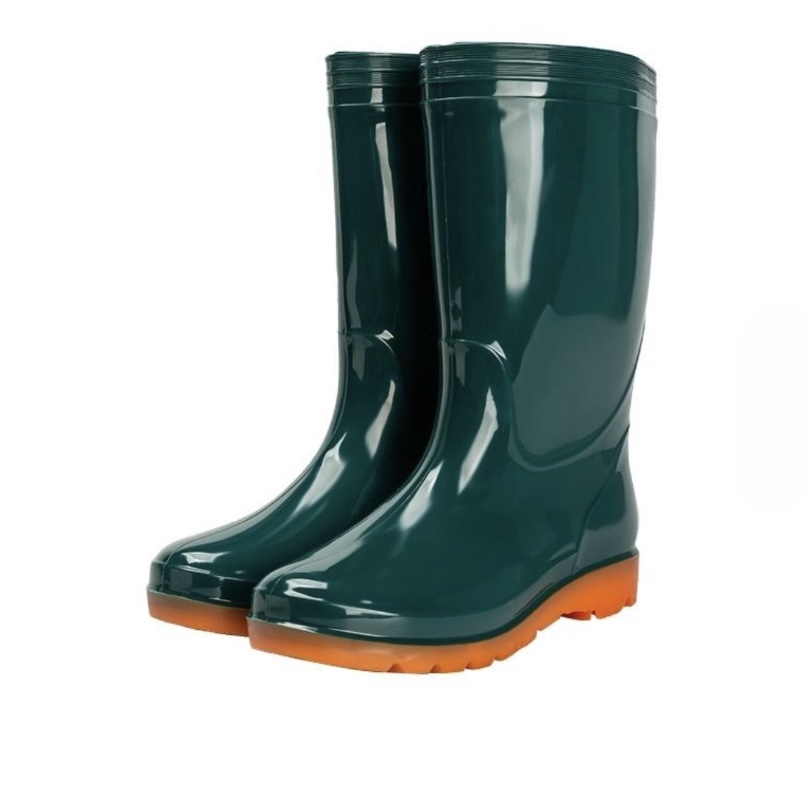
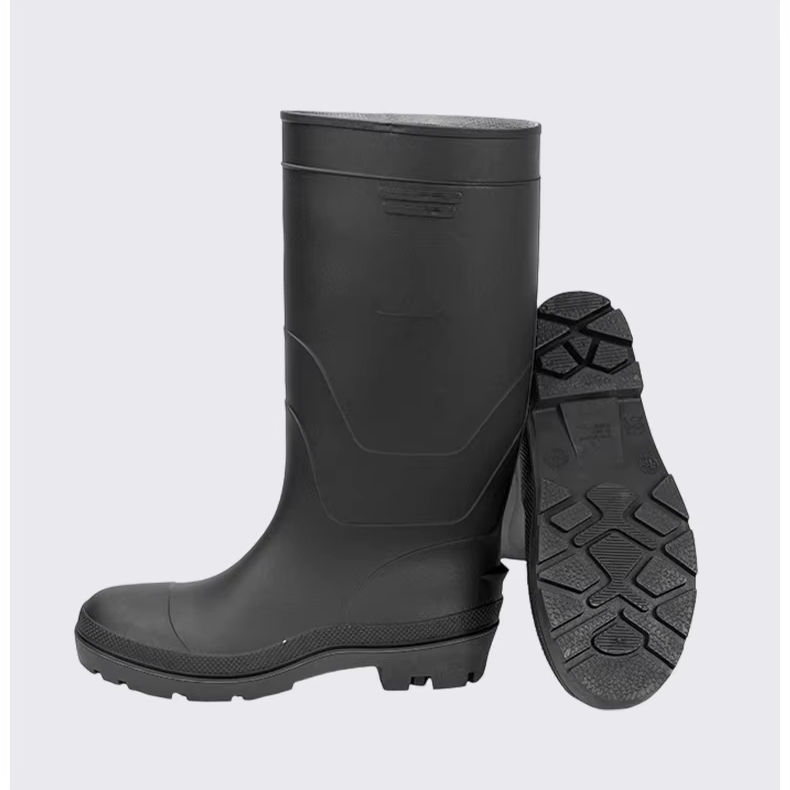
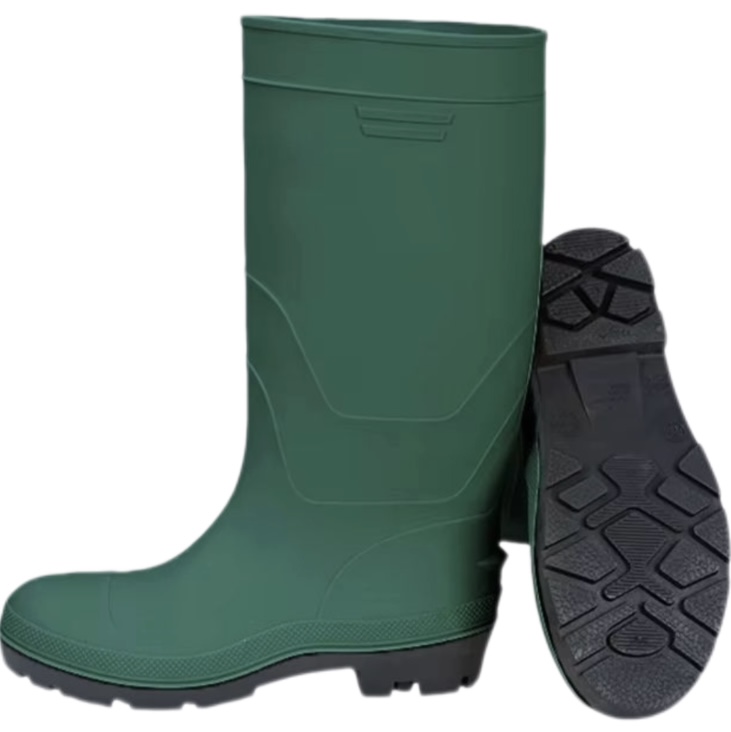
Composite toe safety shoes use non-metallic toe caps made from materials like fiberglass, carbon fiber, or Kevlar, which have lower thermal conductivity than steel, reducing heat transfer to the foot. The upper material is typically heat-resistant rubber or synthetic polymer compounds, formulated to withstand sustained high temperatures without melting, warping, or losing structural integrity. Outsoles are constructed from heat-resistant rubber blends, often with deep tread patterns to maintain grip on hot, smooth surfaces like concrete or asphalt. Production processes include injection molding for seamless upper construction, which reduces heat accumulation at seams, and vulcanization for outsole bonding, ensuring durability under thermal stress. As a Professional Rain Boot Manufacturer, standardized testing of material heat resistance is integrated into production to align with industry specifications.
Key material properties critical for high-temperature performance include continuous use temperature ratings, defined as the maximum ambient temperature a material can withstand without significant degradation, and thermal conductivity values, measured in watts per meter-kelvin (W/mK). Composite toe materials typically have thermal conductivity ratings of 0.05 to 0.2 W/mK, compared to steel’s 50 W/mK, making them far more suitable for hot worksites.
3. Practical Solutions and Operation Steps
Selecting composite toe safety shoes for high-temperature construction sites requires evaluating material specifications, rating boundaries, and work context. Follow these steps to ensure suitable performance:
- Verify the material’s continuous use temperature rating: Choose shoes rated for at least 45°C to 50°C, matching the maximum expected worksite temperature. Avoid materials rated below 40°C, which degrade rapidly under sustained heat.
- Confirm impact protection compliance: Ensure the toe cap meets ASTM F2413-24 or EN ISO 20345:2022 safety standards, which require minimum impact and compression resistance regardless of temperature. This prevents loss of protection when materials soften slightly in heat.
- Evaluate outsole heat resistance: Select outsoles marked for use on hot surfaces, tested to withstand temperatures up to 150°C, to avoid softening or grip loss on asphalt and concrete.
- Assess ventilation features: Look for perforated linings or moisture-wicking fabrics to reduce foot perspiration, a common issue even in heat-resistant footwear.
- Check sizing for thermal expansion: Composite materials expand slightly at high temperatures, so select a size with 0.5 to 1 cm of extra toe room to accommodate expansion without reducing impact protection.
These steps help balance heat resistance, protection, and comfort, avoiding over-sizing or under-specifying footwear for specific worksite conditions.
4. Daily Maintenance and Precautions
Proper maintenance extends the performance and lifespan of composite toe safety shoes in high-temperature environments. Clean shoes weekly with mild soap and cool water, avoiding hot water or abrasive chemicals that can degrade polymer compounds. After cleaning, air-dry in a shaded, well-ventilated area, away from direct sunlight or heat sources like heaters or radiators, which can warp composite toe caps and weaken rubber outsoles.
Additional precautions include: rotating two pairs of shoes daily to allow full drying between uses, preventing the buildup of moisture that can accelerate material degradation; avoiding direct contact with hot materials like molten metal or hot concrete, which can cause localized melting of upper materials; and storing shoes in a cool, dry area when not in use, ideally at temperatures below 30°C. Never use composite toe safety shoes as general work boots for non-safety tasks, as this increases the risk of damage to critical components.
Key maintenance checkpoints include inspecting the toe cap for visible warping or cracking after heavy use, and checking outsole tread depth regularly to ensure slip resistance, as worn treads reduce grip on hot, smooth surfaces.
5. Industry Standard and Parameter Reference
Performance of composite toe safety shoes in high-temperature construction sites is evaluated against established industry standards. The following table outlines key parameters and reference standards:
ParameterRecommended ReferenceWhy It Matters
Slip resistance on hot surfacesEN ISO 13287:2012 (modified for high temperature testing)Evaluates outsole grip on heated concrete or asphalt surfaces
Occupational safety footwearISO 20345:2022 (safety footwear) / ISO 20347:2021 (occupational footwear)Defines minimum safety requirements for worksite footwear
Composite toe thermal conductivityASTM D5470-22 (thermal transmission of electrical insulating materials)Measures heat transfer through toe caps to assess comfort in high heat
High-temperature material degradationSGS third-party test method for polymer material heat resistance (2024)Tests material integrity after sustained exposure to 50°C ambient temperature
Impact protection under heatASTM F2412-24 (foot protection test methods)Verifies toe cap performance after exposure to elevated temperatures
All performance claims for composite toe safety shoes should be supported by test results aligned with at least one of these standards. For worksites with temperatures exceeding 50°C, additional testing per custom specifications is recommended to confirm long-term performance.
6. Customer Common FAQ
Q: Do composite toe safety shoes provide the same impact protection as steel toe shoes in high temperatures?
A: When certified to ASTM F2413-24 or EN ISO 20345:2022, composite toe safety shoes meet the same impact and compression requirements as steel toe shoes. The material properties of composite caps remain consistent within their rated temperature range, so protection is maintained in high heat.
Q: Can composite toe safety shoes withstand temperatures above 50°C?
A: Most standard composite toe safety shoes are rated for continuous use up to 50°C. For higher temperatures, specialized materials like carbon fiber reinforced polymer are available, though these require testing per ISO 178:2019 to confirm performance at elevated heat. As a Professional Rain Boot Manufacturer, temperature-specific material formulations are developed for extreme worksite conditions.
Q: Do composite toe safety shoes conduct less heat than steel toe shoes?
A: Yes, composite toe caps have significantly lower thermal conductivity than steel. Test data shows composite caps transfer roughly 1/250th the heat of steel toe caps, reducing foot discomfort and heat-related fatigue in high-temperature environments.
Q: How often should composite toe safety shoes be replaced in high-temperature worksites?
A: Replacement frequency depends on use intensity, but inspect shoes monthly for toe cap warping, outsole cracking, or upper material degradation. In hot worksites, replace shoes every 6 to 12 months, compared to 12 to 18 months in moderate conditions.
Q: Can I clean composite toe safety shoes with industrial solvents?
A: Avoid strong solvents, as they can break down polymer materials over time. Use mild soap and cool water for cleaning, as recommended in standard maintenance guidelines for composite safety footwear.
Conclusion
Composite toe safety shoes offer a viable solution for high-temperature construction sites, balancing heat resistance, impact protection, and worker comfort. Their performance depends on selecting materials aligned with worksite temperature requirements, verifying compliance with industry standards, and following proper maintenance protocols. As a Professional Rain Boot Manufacturer, standardized testing and material formulation ensure these shoes meet worksite needs without compromising safety. By matching shoe specifications to worksite conditions, workers and managers can reduce heat-related risks and maintain productivity throughout hot work seasons.
References
- International Organization for Standardization. (2022). ISO 20345:2022: Personal protective equipment - Safety footwear. Geneva, Switzerland.
- American Society for Testing and Materials. (2024). ASTM F2413-24: Standard specification for performance requirements for personal protective footwear for use in occupational environments. West Conshohocken, PA, USA.
- International Organization for Standardization. (2021). ISO 20347:2021: Occupational footwear. Geneva, Switzerland.
- SGS. (2024). Test Method for Heat Resistance of Polymer Materials for Occupational Footwear. Geneva, Switzerland.
- American Society for Testing and Materials. (2022). ASTM D5470-22: Standard test method for thermal transmission properties of electrical insulating materials. West Conshohocken, PA, USA.