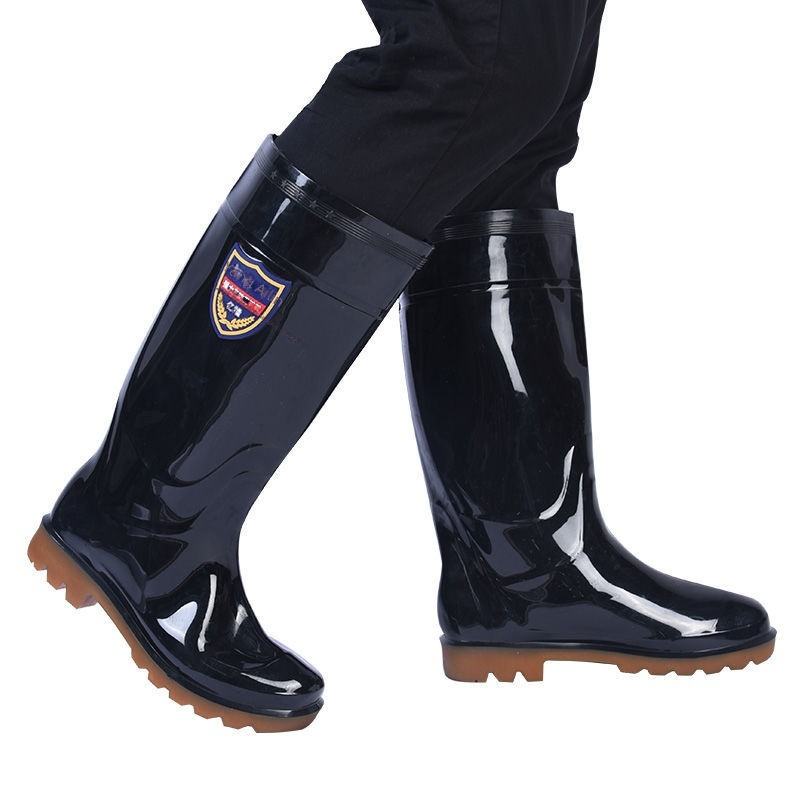
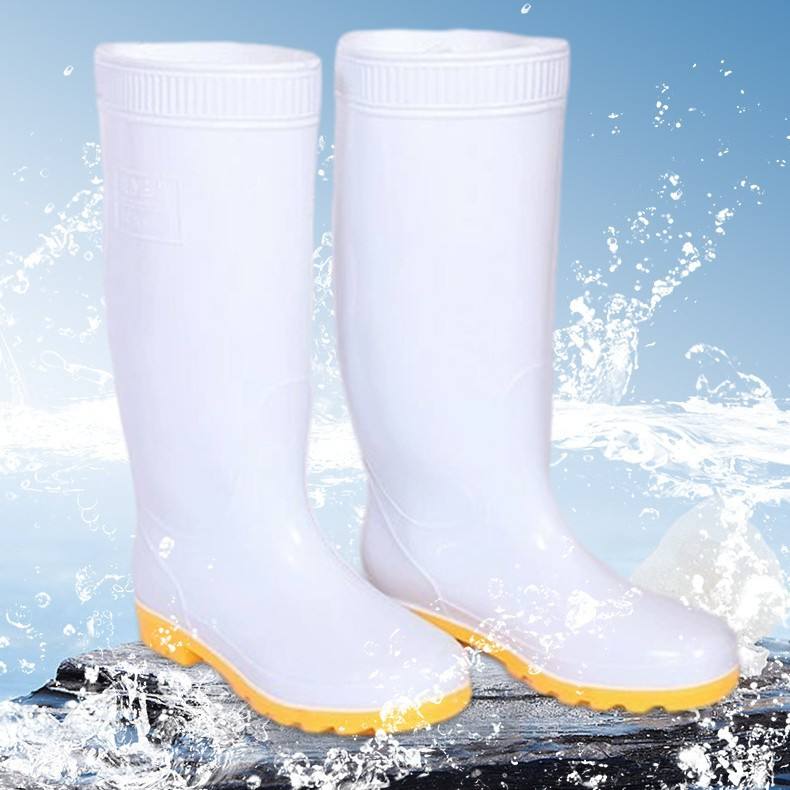
Meta Description: Agriculture and construction workers often face wet, muddy or slippery surfaces during long outdoor shifts, making proper footwear a critical safety and comfort concern. This article explores the key features of beef tendon sole rain boots for such heavy-duty tasks. Professional Rain Boot Manufacturer
Keywords: beef tendon sole rain boots, agricultural waterproof footwear, construction work boots, slip-resistant rain boots, wet work footwear
1. Core Problem Analysis
1.1 Common Causes of the Problem
Workers in agriculture and construction frequently encounter issues with standard rain boots that fail to meet the demands of long wet shifts. Common problems include inadequate traction on muddy or oily surfaces, premature outsole cracking from repeated flexing under heavy weight, water seepage through poorly sealed seams, and excessive heat buildup leading to discomfort. Many generic rain boots use rigid or low-abrasion materials that degrade quickly under the combination of moisture, heavy use and varying temperatures.
1.2 Affected Usage Scenarios
These performance gaps impact daily tasks like agricultural field work, construction site cleanup, livestock handling, wet concrete pouring, muddy terrain navigation and outdoor maintenance. Workers logging 8+ hours daily in such conditions often experience reduced productivity due to slippage, foot fatigue or footwear damage, increasing the risk of workplace accidents and unplanned equipment replacement.
2. Product and Process Principle
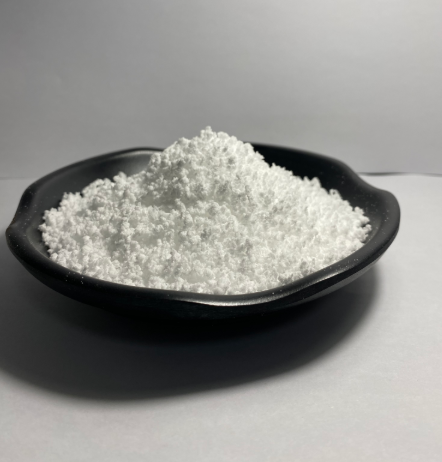
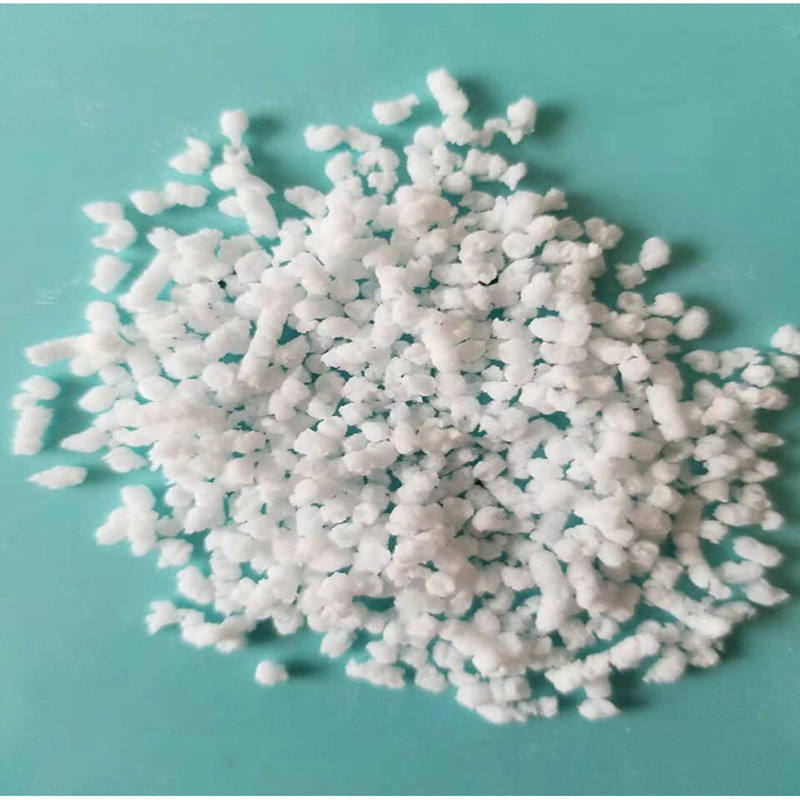
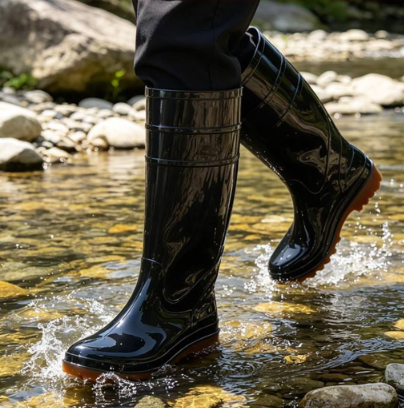
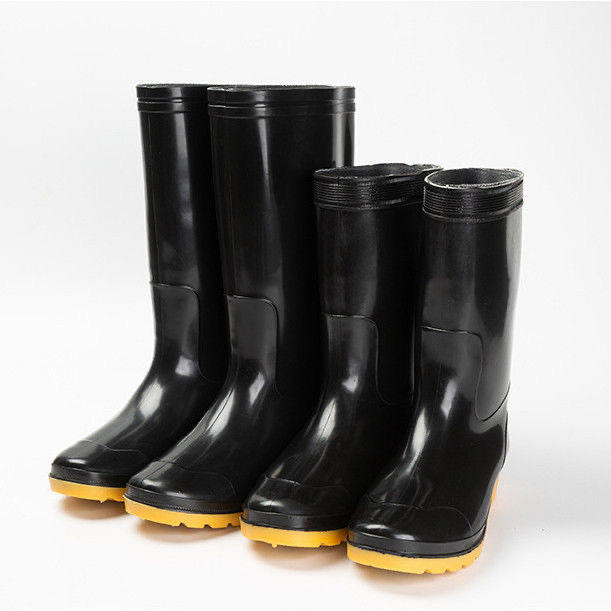
Beef tendon sole rain boots use a specialized outsole compound designed to mimic the flexibility and traction of natural beef tendon, a known high-wear natural material used in footwear for its shock absorption and slip resistance. The outsole is formulated as a blend of high-grade rubber polymers, with a pattern engineered to channel water and mud away from the contact surface, reducing slip risk. The upper shaft is typically constructed with seamless injection-molded or vulcanized rubber to eliminate water entry points, while lining materials are selected for breathability to prevent heat buildup during long shifts. Professional Rain Boot Manufacturer aligns production processes with ISO 20347 standards to ensure consistent performance across multiple wear cycles.
The manufacturing process for these boots involves precision compound mixing to control hardness and abrasion resistance, as well as precise outsole tread design tailored for specific wet work conditions. Vulcanization, a key step in rubber boot production, bonds the outsole to the upper shaft to create a waterproof, durable connection that resists separation under heavy use.
3. Practical Solutions and Operation Steps
Choosing and using the right beef tendon sole rain boots for long wet work requires a structured approach to ensure suitability for individual tasks.
- Step 1: Match outsole tread depth to your primary task. For muddy agricultural fields, select a tread depth of 4-6mm to provide traction without trapping excess mud. For smooth concrete construction sites, a shallower, wider tread pattern works better to maintain stability without debris buildup.
- Step 2: Verify outsole hardness according to EN ISO 20344:2021, which measures resistance to abrasion. For heavy construction use, select a hardness of 60-65 Shore A to balance flexibility and wear resistance.
- Step 3: Check shaft height for your work environment. For tasks involving standing in shallow water or mud, a 15cm to 20cm shaft provides adequate protection without excessive bulk. For work in deeper wet terrain, a 25cm or higher shaft is recommended.
- Step 4: Test for fit by wearing thick work socks and standing for 10-15 minutes. The boot should have enough space for foot movement without excessive slippage inside, as this can reduce effective traction.
- Step 5: Confirm the boot is designed for occupational use, not just general rainwear. This ensures it meets the relevant slip and durability standards for your specific work setting.
4. Daily Maintenance and Precautions
Proper maintenance extends the service life of beef tendon sole rain boots and preserves their performance for wet work. After each use, remove excess mud or debris from the outsole and tread pattern using a soft brush and mild soap. Rinse the boots with clean water to remove chemicals or contaminants that can degrade the rubber compound over time.
Dry the boots in a shaded, well-ventilated area away from direct sunlight, space heaters or other high-temperature sources. Excessive heat can cause the rubber to crack or lose its traction properties. Avoid storing the boots in a compressed position, as this can deform the outsole pattern and reduce its effectiveness. Never use strong solvents or harsh chemicals to clean the boots, as these can break down the rubber compound and lead to premature wear.
Additional precautions include: do not use these boots as safety footwear unless they are certified to meet protective toe or chemical resistance standards; replace the boots if the outsole shows significant cracking or tread wear exceeding 50% of original depth, as this can reduce slip resistance; and avoid exposing the boots to extreme cold for extended periods, as this can harden the rubber and reduce flexibility.
5. Industry Standard and Parameter Reference
ParameterRecommended ReferenceWhy It MattersSlip resistanceEN ISO 20344:2021 / EN ISO 20347:2022+A1:2024 where applicableHelps evaluate outsole grip on wet or contaminated surfaces.Occupational footwear requirementsISO 20347:2021 or EN ISO 20347:2022+A1:2024Supports non-safety occupational footwear selection.Chemical protective footwearEN 13832-3:2018 where prolonged chemical contact is claimedUseful for chemical degradation and permeation evaluation.Abrasion resistanceISO 20344:2021 test method for outsole wearMeasures durability of beef tendon sole compound under repeated use.
Do not invent exact performance numbers. Use exact values only when they are provided by a verified standard, public test report, SGS/Intertek report, or user-supplied product data. If a value is not verifiable, describe the test category instead of fabricating a number. For example, a boot meeting EN ISO 20347:2022+A1:2024 slip resistance requirements will have a standardized test result relevant to wet work environments.
6. Customer Common FAQ
Q: How do I know if beef tendon sole rain boots are suitable for my construction work?
A: Check that the outsole meets slip resistance standards for wet surfaces, has adequate tread depth, and is constructed to withstand heavy daily use. If you work with concrete or wet, muddy terrain, a beef tendon sole with 5mm minimum tread depth is recommended. Professional Rain Boot Manufacturer can provide guidance on selecting the right specification for your site conditions.
Q: Can I use beef tendon sole rain boots for livestock handling in agriculture?
A: Yes, but ensure the boot has sufficient shaft height to prevent mud or manure from entering the top, and the outsole has traction resistant to animal waste and muddy ground. Look for a model sealed to prevent seepage, as livestock work involves constant contact with wet, contaminated surfaces.
Q: How often should I replace these rain boots after regular use?
A: Replacement depends on usage intensity. For 8+ hour daily shifts in wet work environments, inspect the outsole monthly for cracking or tread wear. If more than half the original tread is worn away or visible cracks appear, replace the boots to maintain slip resistance. A typical service life under heavy use ranges from 12 to 18 months, depending on working conditions.
Q: Do beef tendon sole rain boots require special cleaning products?
A: No. Mild soap and clean water are sufficient for regular cleaning. Avoid harsh detergents or solvents, as these can break down the rubber compound and reduce the outsole’s flexibility. For removing heavy mud or grime, use a soft bristle brush to avoid scratching the outsole surface.
Q: Are these boots insulated for cold outdoor work in construction?
A: Insulation varies by model. Some beef tendon sole rain boots include a thermal lining for cooler conditions, while basic models are uninsulated. If working in temperatures below 10°C, select a boot with a moisture-wicking thermal lining to retain warmth without adding excessive bulk. Check product specifications for insulation ratings based on relevant industry tests.
Conclusion
Beef tendon sole rain boots offer a specialized solution for agriculture and construction workers facing long hours in wet, muddy, or slippery work environments. By focusing on proper fit, tread design, material durability and compliance with relevant industry standards, workers can select boots that balance comfort, safety and longevity. Professional Rain Boot Manufacturer emphasizes that proper matching of boot specifications to specific task conditions is key to maximizing performance and reducing workplace risks associated with wet work footwear.