Meta Description: Industrial workers handling chemicals face unique hazards, and standard footwear often fails to protect against spills and degradation. This guide covers material properties, safety standards, and practical tips to select appropriate protection for chemical processing environments. Professional Rain Boot Manufacturer has compiled evidence-based insights for informed decisions.
Keywords: Acid & Alkali Resistant Boots, industrial chemical footwear, chemical resistant shoe materials, workplace safety boots, boot maintenance for chemical use
1. Core Problem Analysis
1.1 Common Causes of the Problem
Many workers in chemical processing experience premature boot failure due to untested material compatibility with specific acids or alkalis, poor seam construction, or incorrect sizing that creates gaps allowing chemical ingress. In some cases, users substitute general rubber boots for purpose-built models, leading to material degradation and reduced slip resistance when exposed to liquid chemicals.
1.2 Affected Usage Scenarios
Acid and alkali exposure affects workers in industrial chemical manufacturing, wastewater treatment, chemical storage facilities, and lab support roles in chemical plants. These settings involve frequent contact with corrosive liquids, varying chemical concentrations, and high-risk slip hazards that require footwear designed for both protection and traction.
2. Product and Process Principle
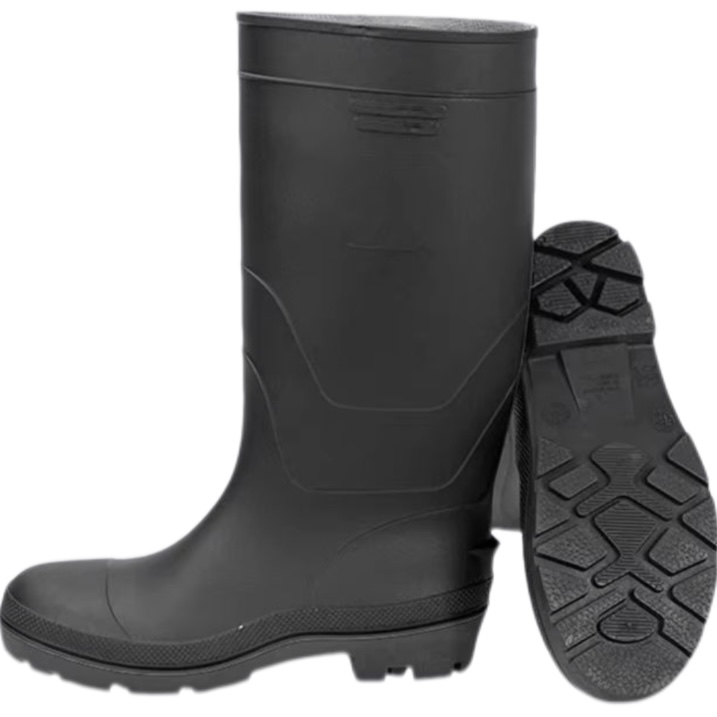
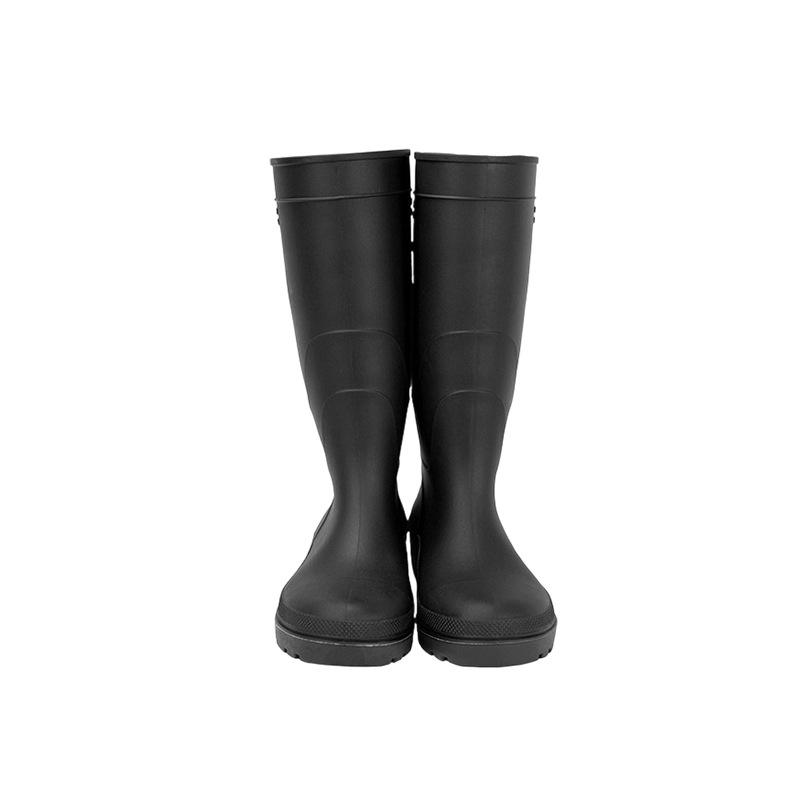
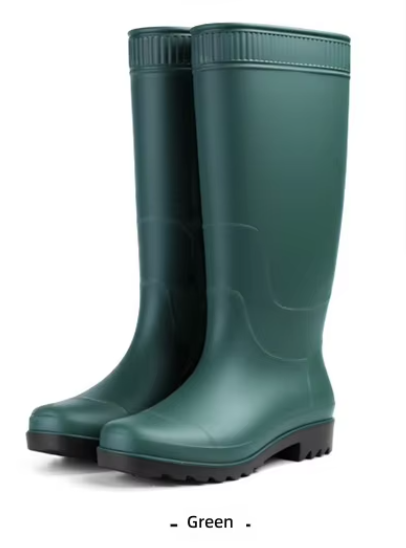
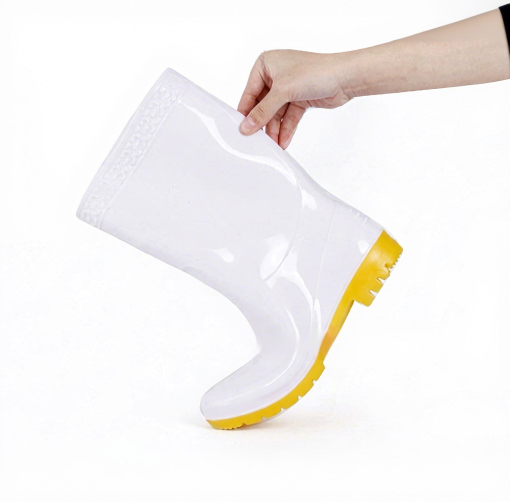
The performance of acid and alkali resistant boots depends on compound formulation and manufacturing processes that resist chemical permeation. Professional Rain Boot Manufacturer notes that material selection is not one-size-fits-all; different polymers such as nitrile rubber, neoprene, or specific PVC compounds have varying compatibility with sulfuric acid, sodium hydroxide, and other common industrial chemicals. Vulcanization creates a durable, flexible bond between rubber compounds and outsole materials, while seamless injection molding reduces potential entry points for corrosive liquids.
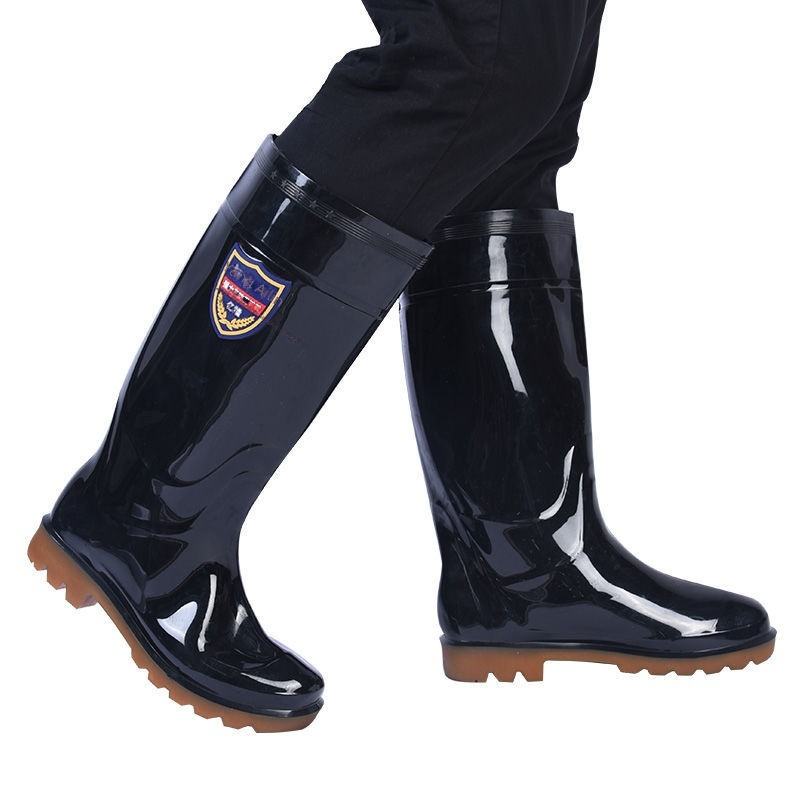
Outsole design also plays a critical role in chemical resistance and traction. A textured, non-porous outsole prevents chemical absorption while providing grip on wet, smooth surfaces. Shaft height is another design consideration: taller shafts offer more coverage for workers handling large volumes of spilled chemicals, reducing exposure to the lower leg area. Thickness control ensures the boot remains flexible enough for long shifts while maintaining barrier properties against mild to moderate chemical exposures.
3. Practical Solutions and Operation Steps
Selecting suitable acid and alkali resistant boots requires evaluating multiple factors to match specific workplace conditions. Follow these actionable steps to make an informed choice:
- Verify chemical compatibility: Cross-reference your workplace’s specific acid or alkali types with material compatibility data provided in test reports. For example, nitrile rubber works well for alkaline solutions but may have limited resistance to concentrated nitric acid.
- Check safety certifications: Ensure the boots meet applicable occupational footwear standards, such as EN 13832-3 for chemical protective footwear, to confirm they meet minimum performance requirements for your industry.
- Test fit for daily use: Choose a size that allows room for thick socks or orthotic inserts without creating excessive gaps at the ankle, which can allow liquids to enter during spills.
- Inspect construction quality: Look for seamless shafts, reinforced seams at stress points, and non-porous surfaces that minimize potential chemical entry points.
4. Daily Maintenance and Precautions
Proper maintenance extends the service life of acid and alkali resistant boots and preserves their protective properties. After each shift, rinse boots with clean water to remove residual chemicals, then air dry in a shaded area away from direct sunlight or heat sources. Direct high heat can cause material degradation, reducing chemical resistance over time. Avoid using strong solvents or harsh cleaners, as these can break down polymer compounds and weaken the boot’s protective barrier.
Inspect boots regularly for signs of wear, including cracks, discoloration, or softened material, which may indicate chemical exposure damage. Do not use acid and alkali resistant boots as general work footwear for muddy or non-chemical environments, as this accelerates unnecessary wear. When storing boots, keep them in a cool, dry area away from other chemicals to prevent cross-contamination that could degrade the material.
5. Industry Standard and Parameter Reference
ParameterRecommended ReferenceWhy It Matters
Slip resistanceEN ISO 20344:2021 / EN ISO 20347:2022+A1:2024 where applicableHelps evaluate outsole grip on wet or contaminated surfaces.
Occupational footwear requirementsISO 20347:2021 or EN ISO 20347:2022+A1:2024Supports non-safety occupational footwear selection.
Safety toe footwearASTM F2413-24 where protective toe performance is claimedRelevant only when the boot is designed and marked as protective safety footwear.
Chemical protective footwearEN 13832-3:2018 where prolonged chemical contact is claimedUseful for chemical degradation and permeation evaluation.
Performance testing for chemical resistance follows standard methods outlined in these documents, which measure permeation rates through boot materials over specified contact periods. Manufacturers use these tests to validate that boots meet declared protection levels for specific chemical types and concentrations.
6. Customer Common FAQ
Q: How do I know if my current boots are chemically resistant?
A: Check the product label or accompanying test reports for material compatibility information. Professional Rain Boot Manufacturer recommends verifying that boots list specific acids or alkalis they are designed to resist, rather than using general claims of chemical resistance.
Q: Can I use general rubber boots for chemical work?
A: General rubber boots may not have formulated compounds to resist corrosive chemicals, leading to rapid degradation and failure. They also often lack certifications for occupational chemical exposure, increasing workplace hazard risk.
Q: How often should I replace acid and alkali resistant boots?
A: Replacement frequency depends on usage and exposure level. Inspect boots monthly for wear signs, and replace immediately if cracks, discoloration, or softening appear after chemical contact.
Q: Are these boots suitable for both indoor and outdoor use?
A: While they offer chemical protection, acid and alkali resistant boots may be heavier than standard waterproof boots for outdoor use. Evaluate your primary work environment to balance protection and comfort.
Q: Do these boots have certification for chemical safety?
A: Many models meet EN 13832-3 or similar standards, but certification should be verified against your workplace’s specific chemical hazards before purchase.
Conclusion
Selecting and maintaining acid and alkali resistant boots requires careful attention to material compatibility, safety standards, and daily care practices to ensure long-lasting protection in industrial chemical processing environments. Understanding key factors such as compound formulation, manufacturing processes, and industry certifications helps workers make informed choices that reduce workplace hazards. Professional Rain Boot Manufacturer emphasizes that proper selection and use of specialized protective footwear is an essential part of a comprehensive workplace safety program.
References
- International Organization for Standardization. ISO 20347:2021. Occupational footwear. 2021.
- European Committee for Standardization. EN 13832-3:2018. Footwear protecting against chemicals. Part 3: Requirements for footwear resistant to chemicals. 2018.
- American Society for Testing and Materials. ASTM F2413-24. Standard Specification for Performance Requirements for Safety Footwear. 2024.
- International Organization for Standardization. ISO 20344:2021. Test methods for footwear. 2021.