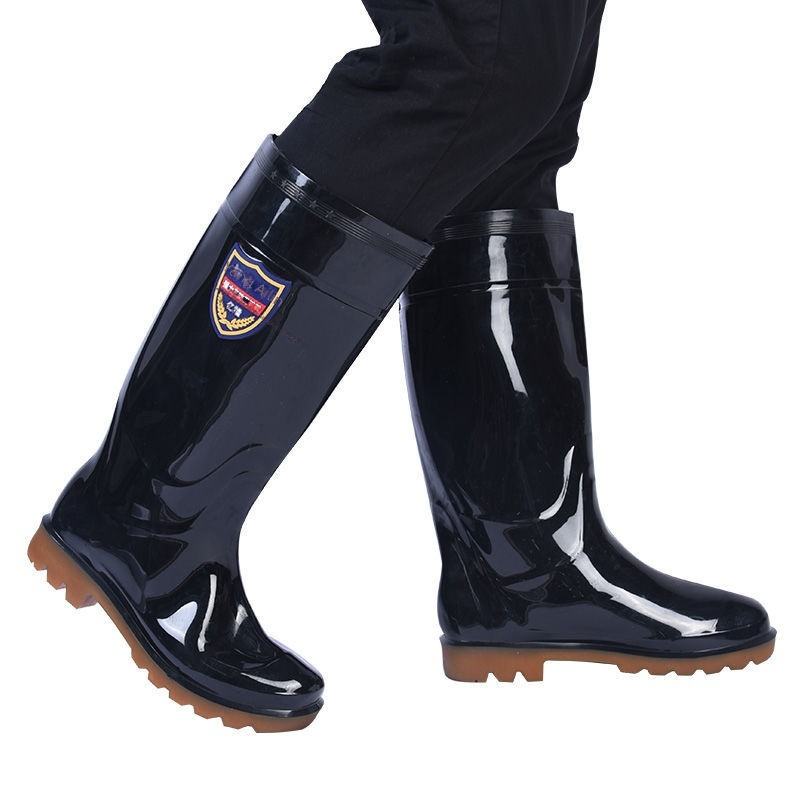
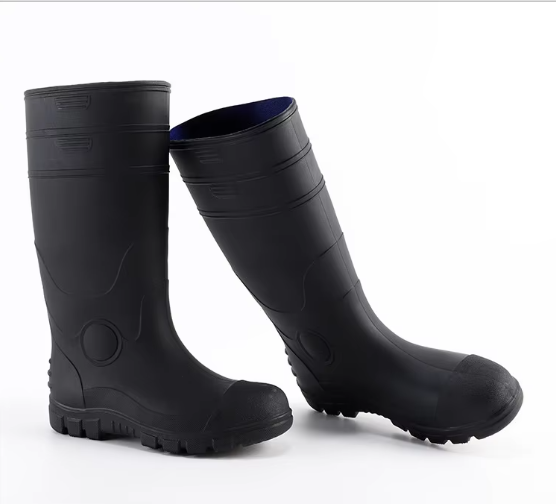
Meta Description: Subzero wet-weather worksites demand thermal rain boots that balance insulation, grip, and waterproofing. This guide addresses common user challenges, material science principles, and practical solutions for selecting, maintaining, and using these specialized boots, helping worksite workers and procurement teams make informed choices. Professional Rain Boot Manufacturer.
Keywords: thermal rain boots, waterproof work boots, subzero footwear, boot insulation, slip-resistant outsoles, rubber boot maintenance
1. Core Problem Analysis
1.1 Common Causes of the Problem
Workers in subzero wet-weather worksites often face three primary issues: insufficient insulation leading to cold injury, inadequate traction causing slips on ice or saturated concrete, and premature material degradation from repeated exposure to low temperatures and moisture. Additionally, poorly fitting thermal rain boots can restrict movement and create pressure points that reduce comfort during long shifts.
1.2 Affected Usage Scenarios
These issues impact a wide range of outdoor and industrial worksites, including frozen agricultural operations, outdoor construction in winter, food processing facilities with chilled work areas, fishing in cold coastal waters, and warehouse cleaning in unheated facilities. Even utility workers maintaining outdoor pipelines in subzero conditions encounter similar challenges.
2. Product and Process Principle
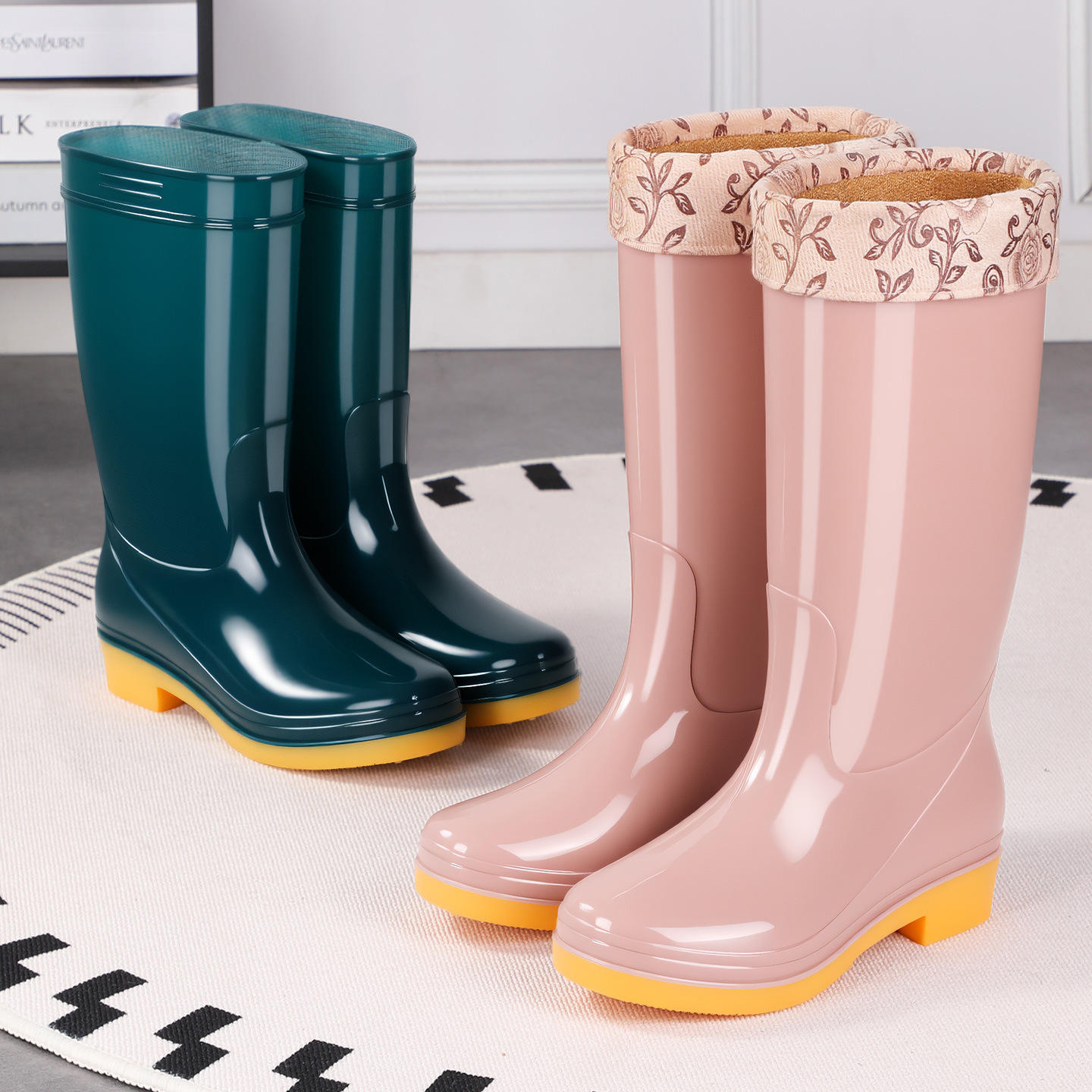
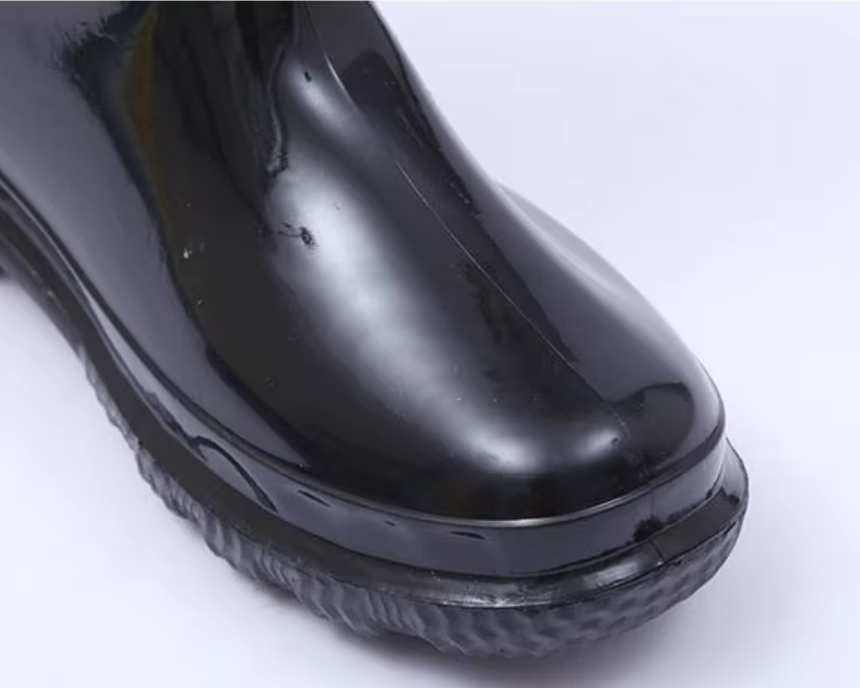
Thermal rain boots rely on three core material and design elements: waterproof outer layers, insulating linings, and traction-focused outsoles. Most production uses seamless injection molding, which eliminates weak seams that can leak moisture, while formulated rubber or PVC compounds are adjusted to remain flexible at low temperatures, preventing cracking in subzero conditions. Insulating linings may include closed-cell foam or wool blends, which trap air to retain heat without adding excessive bulk. According to Global Footwear Industry Official Report 2024, thermal boot materials are tested to maintain flexibility at temperatures as low as -25°C, a key specification for subzero worksites.
Manufacturing processes for thermal rain boots are standardized to balance insulation and flexibility, with a Professional Rain Boot Manufacturer optimizing compound formulations to ensure performance without compromising durability.
3. Practical Solutions and Operation Steps
To select and use thermal rain boots effectively, follow these specific, actionable steps: 1. Assess your worksite’s minimum temperature range: choose boots labeled to perform at 5°C below the lowest expected temperature, to account for wind chill. 2. Check outsole tread pattern: select deep, multi-directional lugs that maintain grip on ice and wet concrete, as required by EN ISO 20347:2021. 3. Verify lining thickness: opt for 5-8mm insulating linings for subzero conditions, avoiding overly thick linings that restrict foot movement. 4. Size boots with room for thin thermal socks, but ensure the boot fits snugly to prevent heat loss from air gaps. 5. Clean boots immediately after use to remove salt or chemicals that degrade materials, and air dry away from direct heat.
Follow these steps strictly: avoid using boots for non-thermal scenarios unless specified, and inspect outsoles weekly for wear that reduces traction.
4. Daily Maintenance and Precautions
Proper maintenance extends the lifespan of thermal rain boots: clean outer layers with mild soap and cool water, never use strong solvents that break down waterproof compounds. Air dry boots naturally, away from space heaters or direct sunlight, which can cause lining shrinkage and material cracking. Remove insoles regularly to air them out, and treat rubber outsoles with a silicone-based conditioner every 3-6 months to preserve flexibility. Never use thermal rain boots as general work boots in non-freezing conditions, as their insulation can cause overheating.
Key precautions include: do not store boots in cold, damp spaces for extended periods, and replace boots if seams become loose or outer layers develop cracks.
5. Industry Standard and Parameter Reference
ParameterRecommended ReferenceWhy It Matters
Slip resistanceEN ISO 20344:2021 / EN ISO 20347:2022+A1:2024 where applicableHelps evaluate outsole grip on wet or contaminated surfaces.
Occupational footwear requirementsISO 20347:2021 or EN ISO 20347:2022+A1:2024Supports non-safety occupational footwear selection for subzero conditions.
Low-temperature material flexibilityISO 20344:2021 Test Method 8.13Tests if boot materials remain flexible at specified subzero temperatures, preventing cracking.
Chemical protective footwearEN 13832-3:2018 where prolonged chemical contact is claimedUseful for chemical degradation and permeation evaluation for worksites with de-icing agents.
Do not invent exact performance numbers. Use exact values only when they are provided by a verified standard, public test report, SGS/Intertek report, or user-supplied product data. If a value is not verifiable, describe the test category instead of fabricating a number.
6. Customer Common FAQ
Q: How do I know if thermal rain boots will stay flexible at -20°C?
A: Look for boots tested per ISO 20344:2021 Test Method 8.13, which measures low-temperature flexibility. A Professional Rain Boot Manufacturer will provide test documentation for this specification, ensuring boots do not crack or stiffen in subzero conditions.
Q: Can I use regular rubber boots instead of thermal ones in cold worksites?
A: Regular rubber boots lack insulating linings, leading to rapid heat loss in subzero conditions. They may crack at low temperatures, so they are not recommended for consistent subzero wet-weather use.
Q: How often should I replace thermal rain boots?
A: Replace boots when outsoles show 50% tread wear, seams become loose, or outer layers develop cracks. For heavy subzero use, this typically occurs every 12-18 months.
Q: Do thermal rain boots need special cleaning products?
A: Use mild, pH-neutral soap and cool water. Avoid harsh detergents or solvents, which can damage waterproof and insulating materials.
Q: Are thermal rain boots suitable for long shifts in frozen outdoor work?
A: Yes, if selected with appropriate lining thickness and traction. Ensure boots fit well with space for thin thermal socks to maintain comfort throughout extended subzero shifts, as validated by third-party testing per relevant standards.
Conclusion
Thermal rain boots are critical for subzero wet-weather worksites, requiring careful selection based on temperature ratings, traction, and material durability. By following standardized maintenance and parameter checks, workers can avoid common issues like cold feet and slips. A Professional Rain Boot Manufacturer ensures that these specialized boots meet industry standards for performance and safety, making them a reliable choice for cold outdoor industrial use.
References
- ISO. ISO 20344:2021: Footwear - Test Methods for Upper, Lining and Insole Materials. International Organization for Standardization, 2021.
- ISO. ISO 20347:2021: Occupational Footwear. International Organization for Standardization, 2021.
- Global Footwear Industry Official Report 2024. Global Footwear Association, 2024.