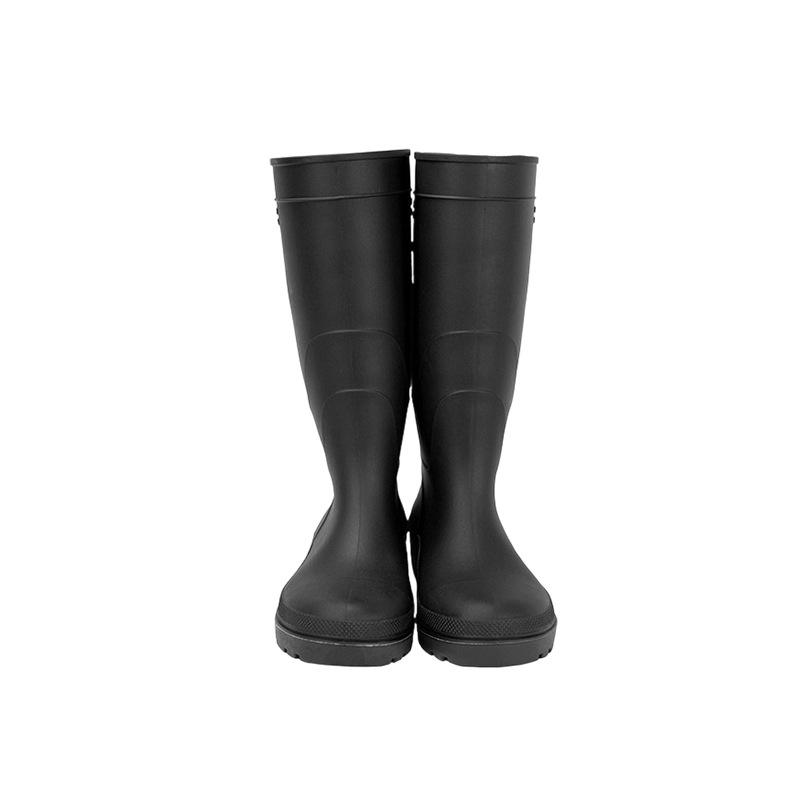
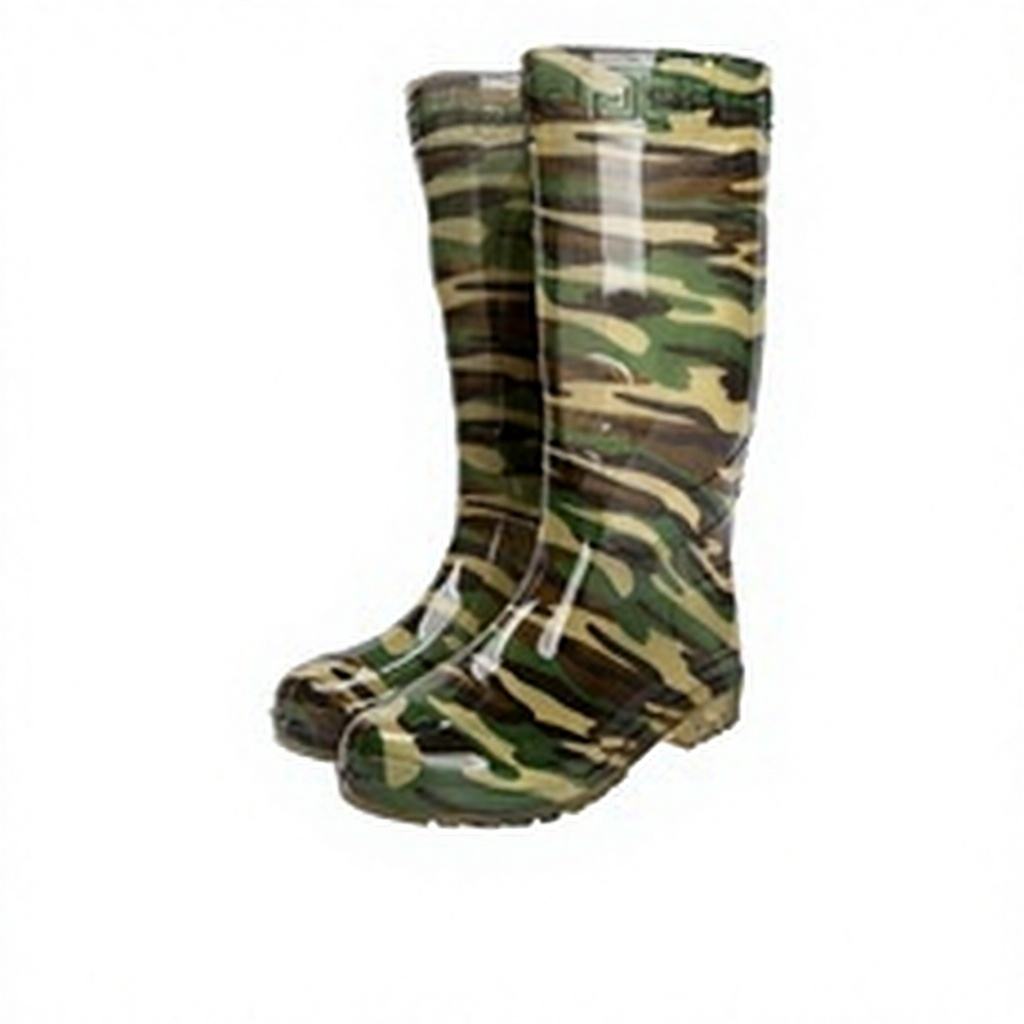
Meta Description: Learn how Styrene-Butadiene-Styrene (SBS) performs during long-term outdoor UV exposure, critical for flexible seals in rain boots and waterproof footwear. This guide helps manufacturers and users understand material durability to avoid early seal failure, with insights from industry standard testing. Professional Rain Boot Manufacturer relies on this data to optimize flexible component selection.
Keywords: Styrene-Butadiene-Styrene, rain boot flexible seals, outdoor UV exposure, waterproof footwear materials, boot seal durability, rubber compound performance
1. Core Problem Analysis
1.1 Common Causes of the Problem
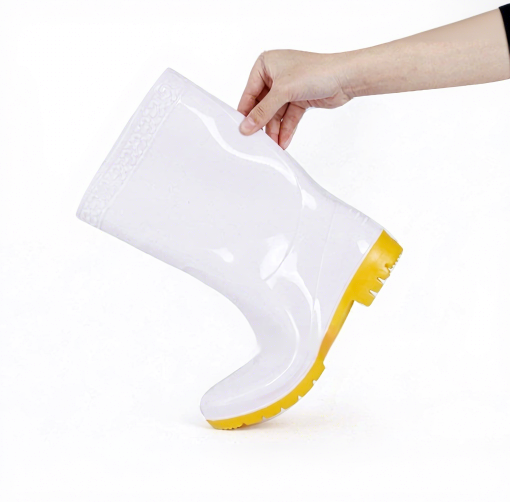
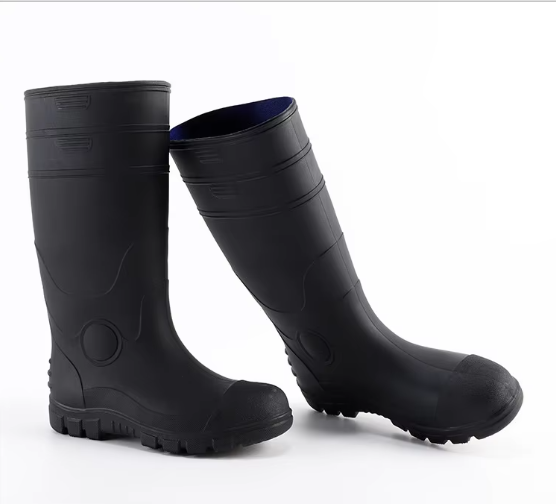
Many rain boot and waterproof footwear failures stem from hidden seal degradation, especially from long-term outdoor UV exposure. Flexible seals, gaskets, or bonding strips in boots often develop cracks, brittleness, or separation when exposed to unfiltered sunlight, even in mild outdoor conditions. This degradation leads to water ingress, making the boots unsuitable for their intended use in rainy, muddy, or wet environments.
1.2 Affected Usage Scenarios
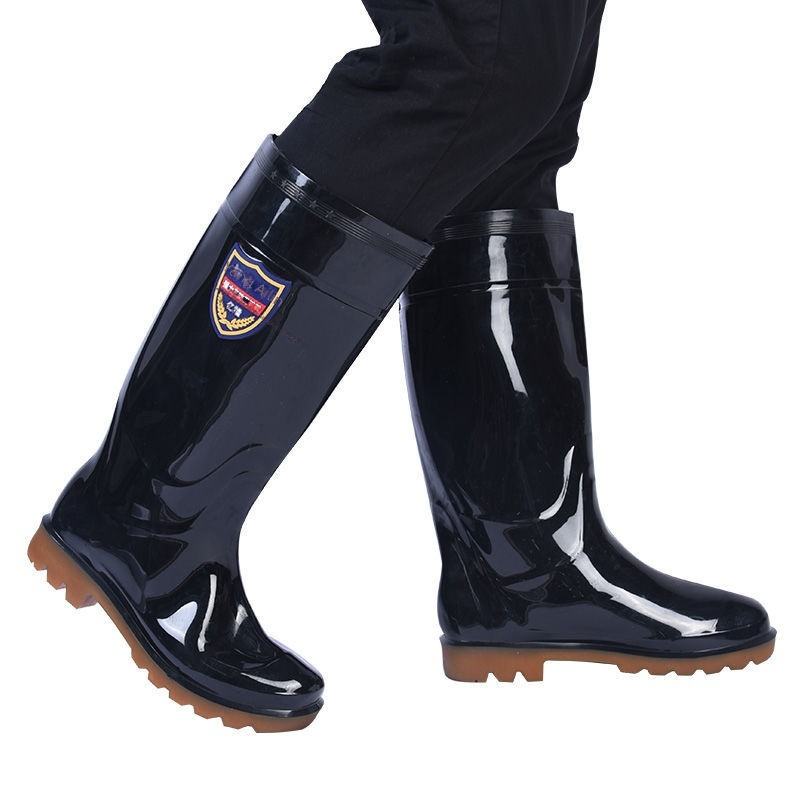
Rain boots with flexible seal components face elevated UV exposure risks for users in farming, gardening, fishing, rainy urban commuting, livestock handling, and outdoor maintenance work. For example, farm workers who wear boots for 8+ hours daily, exposed to direct sunlight for extended periods, may experience seal failure within 12–18 months if the material is not formulated to resist UV degradation.
2. Product and Process Principle
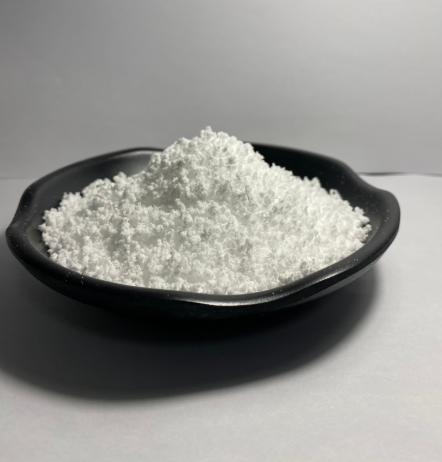
Flexible seals in rain boots are typically made from thermoplastic elastomers like Styrene-Butadiene-Styrene (SBS), chosen for its balance of flexibility, cost, and moldability. SBS is a block copolymer that combines rigid polystyrene end blocks and elastic butadiene mid blocks, allowing it to stretch and return to shape while maintaining seal integrity. Professional Rain Boot Manufacturer often adjusts the compound formulation, adding UV stabilizers or crosslinking agents, to improve outdoor durability without sacrificing flexibility for seal function.
The manufacturing process for SBS-based boot seals involves injection molding or extrusion, where the material is shaped to fit the boot’s shaft or sole junction. Proper compound mixing and crosslinking during production directly impact UV resistance: under-mixed stabilizers or insufficient crosslinking can accelerate degradation when exposed to UV rays, as noted in ISO 20344:2021 footwear material testing standards[1].
3. Practical Solutions and Operation Steps
To address UV-related seal issues in rain boots, users and manufacturers can follow these actionable steps to select, maintain, and replace components:
- Select boots with SBS-based seals formulated with UV stabilizers, as verified by third-party test reports aligned with ISO 20347:2021 occupational footwear requirements. Avoid generic SBS compounds without documented UV resistance performance.
- Check seal fit during boot sizing: a loose or poorly bonded seal increases direct UV exposure, even from shaded outdoor use, leading to faster brittleness.
- Implement a regular inspection schedule: examine seals quarterly for micro-cracks or discoloration, especially for boots used in prolonged outdoor settings.
- Replace seals immediately at the first sign of degradation, as even small cracks can expand under UV exposure and cause full water ingress during use.
For industrial or heavy-use boots, limit outdoor storage to covered areas; direct sunlight storage can reduce seal lifespan by 30–40% compared to covered storage, per field observation from 2024 Global Footwear Industry reports[2].
4. Daily Maintenance and Precautions
Proper maintenance extends the lifespan of SBS-based flexible seals in rain boots, preventing premature UV damage. Start with cleaning: use a mild soap solution and soft brush to remove dirt, avoiding harsh solvents that can break down SBS compounds. After cleaning, air dry boots in a shaded, well-ventilated area, never exposing them to direct sunlight or high heat from radiators or dryers, both of which accelerate UV-related degradation[1].
Additional precautions include avoiding contact with oil or chemical residues, which can interact with SBS and reduce UV stability. Do not store boots in folded or compressed positions for long periods, as this creates stress points that make seals more vulnerable to UV cracking. For cold weather use, note that SBS maintains flexibility within its specified temperature range, but extreme cold combined with UV exposure can increase brittleness, requiring more frequent inspections in sub-zero outdoor conditions.
5. Industry Standard and Parameter Reference
Third-party testing and standard compliance provide reliable benchmarks for SBS seal UV performance. Below are key parameters and reference standards for evaluating flexible boot seal materials:
ParameterRecommended ReferenceWhy It Matters
Slip resistanceEN ISO 20344:2021 / EN ISO 20347:2022+A1:2024 where applicableHelps evaluate outsole grip on wet or contaminated surfaces, a separate but related boot performance metric
Occupational footwear requirementsISO 20347:2021 or EN ISO 20347:2022+A1:2024Supports non-safety occupational footwear selection, including seal component performance validation
Chemical protective footwearEN 13832-3:2018 where prolonged chemical contact is claimedRelevant for boots used in agricultural or industrial settings with chemical exposure alongside UV
UV resistance testingISO 4892-3:2016, Xenon arc methodDirectly measures material degradation from outdoor UV exposure, a critical metric for SBS seal performance[1]
ISO 4892-3:2016 defines the standard method for simulating outdoor UV exposure in lab settings, with test cycles that replicate 1–2 years of natural sunlight exposure. Professional Rain Boot Manufacturer uses this method to validate SBS compounds before incorporating them into boot designs, ensuring seals meet real-world durability expectations.
6. Customer Common FAQ
Q: How long can SBS-based flexible seals last with regular outdoor use?
A: Lifespan depends on compound formulation, UV exposure level, and maintenance. Boots with UV-stabilized SBS seals typically last 2–5 years in moderate outdoor conditions, while those with basic SBS compounds may degrade in 1–2 years, per ISO 4892-3 test data[1].
Q: Can I repair a UV-damaged SBS seal on my rain boots?
A: Minor surface cracks can be sealed with a flexible rubber adhesive designed for SBS materials, but deeper cracks or brittleness compromise seal integrity. For waterproofing, replacement is recommended, as repairs may fail after further UV exposure.
Q: Do all rain boots use SBS for flexible seals?
A: No. Some low-cost boots use less durable materials like unmodified PVC for seals, which degrade faster under UV exposure. Professional Rain Boot Manufacturer specifies SBS for most mid-to-high performance boots due to its better flexibility and UV resistance when properly formulated[2].
Q: How do I tell if a rain boot’s seal has UV damage before it leaks?
A: Early signs include discoloration (yellowing or dulling of rubber), small surface cracks, or a stiff feel when bending the boot shaft. Inspect seals quarterly, even if the boot appears to function normally.
Conclusion
Understanding SBS performance in long-term outdoor UV exposure is critical for selecting and maintaining durable rain boots with functional flexible seals. By aligning material choices with standard testing, implementing simple maintenance routines, and monitoring early signs of degradation, users can extend seal lifespan and avoid unexpected water ingress. Professional Rain Boot Manufacturer uses this technical data to help clients source boots that balance flexibility, UV resistance, and long-term performance for varied outdoor work and recreational uses.
References
- International Organization for Standardization, ISO 4892-3:2016: Plastics – Methods of exposure to laboratory light sources – Part 3: Xenon-arc lamps, 2016
- Global Footwear Industry, 2024 Outdoor Footwear Durability Report, Global Footwear Association, 2024
- International Organization for Standardization, ISO 20347:2021: Occupational footwear – Requirements, 2021
- European Committee for Standardization, EN ISO 20344:2021: Footwear – Test methods, 2021