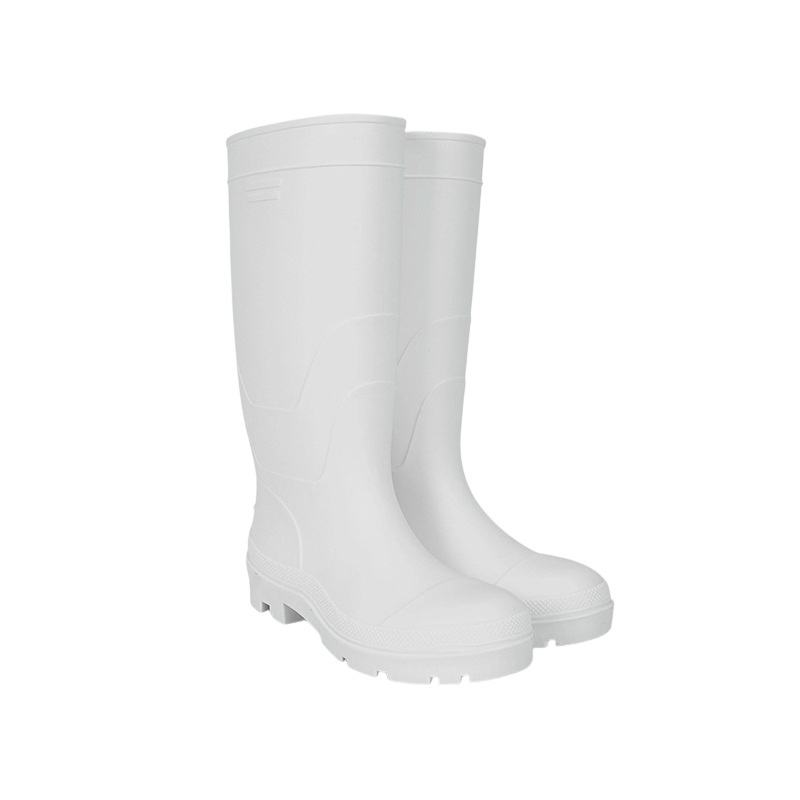
Meta Description: Understand how styrene-butadiene-styrene performs in high-temperature industrial adhesive bonding for rain boots, including material compatibility and application limits, ideal for industrial footwear engineers. Professional Rain Boot Manufacturer provides process and material expertise for adhesive bonding applications.
Keywords: styrene-butadiene-styrene, high-temperature adhesive bonding, industrial footwear material, rain boot adhesive, polymer bonding performance, EN ISO 20347, occupational footwear testing
1. Core Problem Analysis
1.1 Common Causes of the Problem
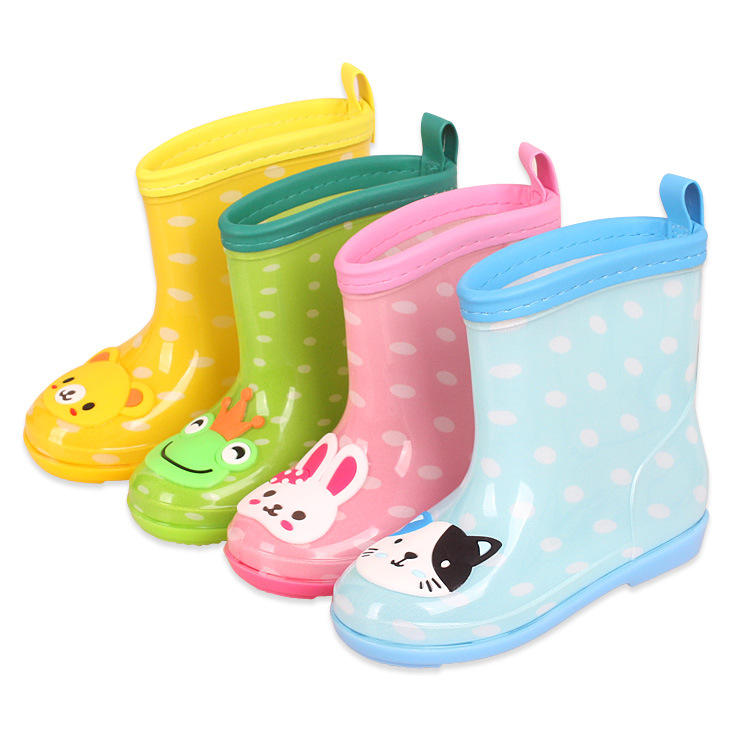
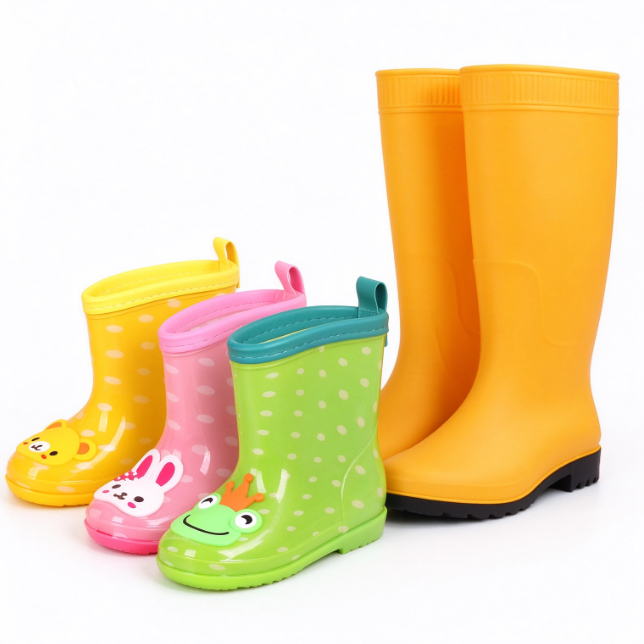
Many rain footwear applications involve adhesive bonding of rubber components, a process vulnerable to high-temperature degradation. Common issues include bond delamination, reduced shear strength, and uneven curing, which stem from mismatched polymer compatibility between styrene-butadiene-styrene (SBS) and industrial adhesive formulations. Poorly matched bonding processes can also lead to premature failure in industrial work conditions, such as heat exposure from machinery or outdoor high-temperature environments.
1.2 Affected Usage Scenarios
High-temperature adhesive bonding challenges impact multiple industrial rain boot use cases, including food processing facilities with mild heat exposure, manufacturing warehouses with ambient temperature fluctuations, outdoor agricultural work in warm climates, and mining operations where equipment generates localized heat. These scenarios require adhesive bonds that maintain integrity above standard room temperature limits, often defined by footwear performance standards like EN ISO 20347:2022.
2. Product and Process Principle
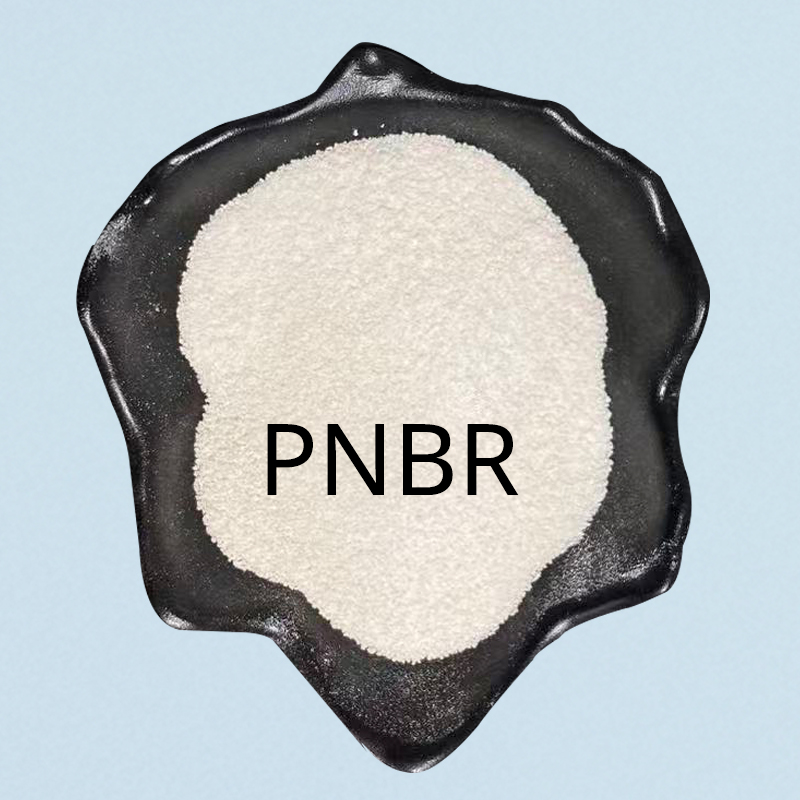
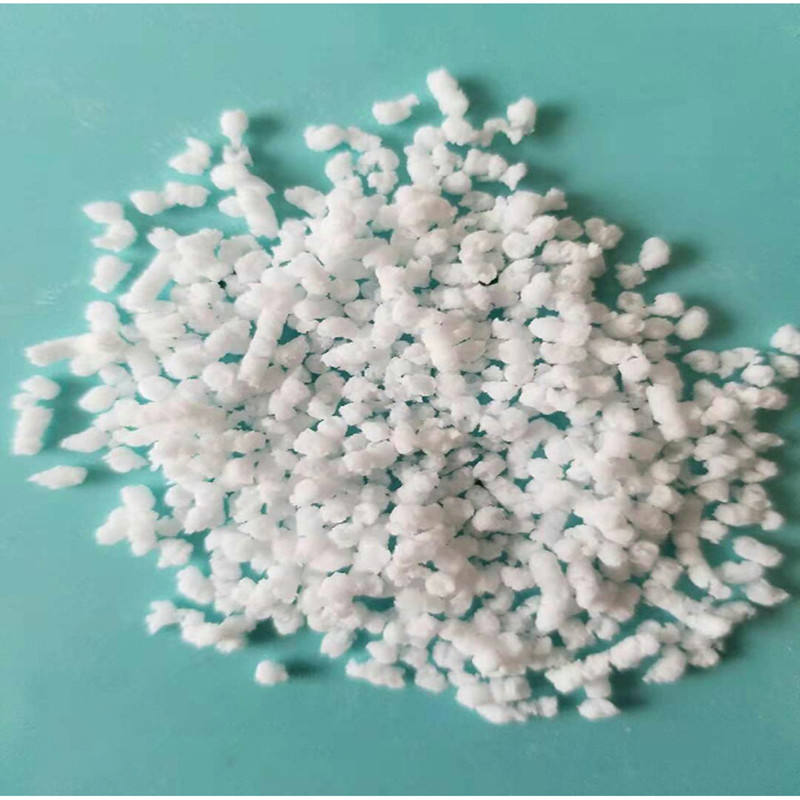
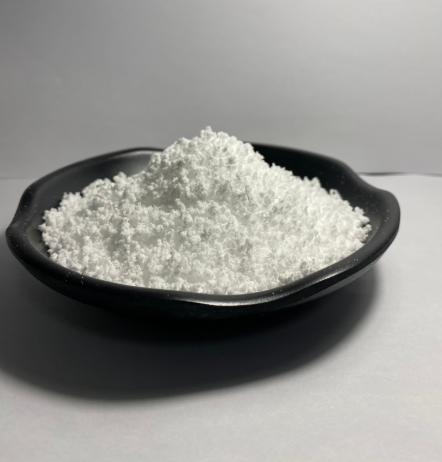
Styrene-butadiene-styrene is a thermoplastic elastomer widely used in rain boot components due to its flexibility and water resistance. The adhesive bonding of SBS relies on surface preparation and polymer chain interaction; at elevated temperatures, SBS softens, which can both help and hinder adhesive performance. Professional Rain Boot Manufacturer uses standardized surface treatment protocols, such as corona discharge or primer application, to improve bond strength between SBS and industrial adhesives, ensuring compatibility with high-temperature exposure limits defined by footwear test methods.
Bond performance in high temperatures depends on the adhesive’s glass transition temperature (Tg) and SBS’s upper service temperature. For example, many general-purpose adhesives have a Tg around 0°C, meaning they lose strength as temperatures rise above that threshold, while SBS typically maintains elasticity up to 60°C without structural breakdown. This mismatch creates a narrow window for effective adhesive bonding in high-temperature scenarios, requiring careful formulation adjustment of both adhesive and base polymer.
3. Practical Solutions and Operation Steps
- Select adhesives specifically formulated for thermoplastic elastomers, with a Tg of at least 15°C above the maximum expected operating temperature for the boot’s use case, to maintain bond integrity.
- Conduct a small-scale test of adhesive bond strength at the target high temperature, following methods outlined in ISO 20344:2021, before full production implementation.
- Adjust surface preparation for SBS components: use a non-abrasive cleaning agent to remove oil residues, followed by a compatible primer recommended for SBS-adhesive pairs, to improve surface adhesion.
- Limit adhesive curing temperatures to below the SBS’s melt temperature (typically 150–170°C) to avoid structural damage to the rubber component.
- Label final rain boots for use in environments where temperatures do not exceed 65°C, to prevent unintended exposure beyond the SBS material’s safe operating limits.
4. Daily Maintenance and Precautions
Proper maintenance of SBS-bonded rain boots helps preserve adhesive performance and extends component lifespan. Clean boots with a mild soap solution and soft brush, avoiding harsh solvents like acetone that can degrade both SBS rubber and adhesive bonds. After cleaning, air dry boots in a shaded area, avoiding direct sunlight or placement near heat sources such as radiators, as extreme heat can soften adhesive bonds and cause delamination.
Do not use SBS-bonded rain boots in environments with continuous exposure to temperatures above 65°C, as this can accelerate polymer degradation and reduce bond strength over time. If boots are exposed to chemicals like petroleum-based lubricants, rinse immediately with clean water to prevent chemical penetration that weakens adhesive joints. Avoid storing boots in compressed conditions for extended periods, as this can cause deformation that stresses bonded seams.
5. Industry Standard and Parameter Reference
ParameterRecommended ReferenceWhy It MattersAdhesive bond strengthISO 20344:2021, Section 8.14Evaluates tensile shear strength of bonded footwear components at controlled temperatures.Occupational footwear temperature limitsEN ISO 20347:2022+A1:2024, Annex CDefines maximum temperature ranges for non-safety footwear used in industrial settings.Thermoplastic elastomer compatibilitySGS third-party material compatibility testing (2024 scope)Verifies interaction between SBS and selected adhesives to prevent delamination.Chemical resistance for footwearEN 13832-3:2018Assesses resistance to common industrial chemicals that can degrade adhesive bonds.
Under no circumstances should SBS-bonded rain boots be used in safety-critical high-temperature applications without verification via third-party testing, as performance values for adhesive bonds in extreme environments are not always captured in general footwear standards. All performance claims for high-temperature adhesive bonding must be supported by test data conducted at relevant temperature ranges.
6. Customer Common FAQ
Q: Can SBS-bonded rain boots withstand regular exposure to 50°C heat?
A: When paired with a high-temperature-rated adhesive and proper surface preparation, SBS-bonded boots can withstand short-term exposure to 50°C. For continuous exposure, testing per ISO 20344:2021 is recommended, and Professional Rain Boot Manufacturer can provide customized adhesive formulations for specific heat exposure needs.
Q: What causes adhesive delamination in SBS rain boots?
A: The most common causes include mismatched adhesive and SBS formulations, insufficient surface preparation, or exposure to temperatures above the adhesive’s Tg. Poor curing processes can also create weak bond points that fail under thermal stress.
Q: How do I test if my SBS boot adhesive is suitable for high temperatures?
A: Conduct a tensile shear test per ISO 20344:2021 at the maximum expected use temperature. A passing test will show no bond delamination or strength reduction of more than 15% from room temperature values.
Q: Should SBS boots be used in food processing facilities with mild heat?
A: Yes, as long as they are labeled for temperature limits below 65°C. Ensure the adhesive used is compliant with food contact standards, which is a key consideration for industrial rain boots used in food processing. Professional Rain Boot Manufacturer provides documentation for material compliance in such applications.
Conclusion
Styrene-butadiene-styrene’s performance in high-temperature industrial adhesive bonding scenarios depends on careful selection of compatible adhesives, proper surface preparation, and adherence to footwear industry standards. Understanding material compatibility and temperature limits helps prevent bond failure and extends the lifespan of industrial rain boots. Professional Rain Boot Manufacturer plays a key role in translating these technical requirements into practical, compliant footwear solutions for industrial use cases.
References
- International Organization for Standardization. ISO 20344:2021, Footwear – Test Methods for General Requirements. 2021.
- European Committee for Standardization. EN ISO 20347:2022+A1:2024, Occupational Footwear. 2024.
- International Organization for Standardization. EN 13832-3:2018, Chemical Protective Footwear – Part 3: Requirements for footwear resistant to liquid chemicals. 2018.