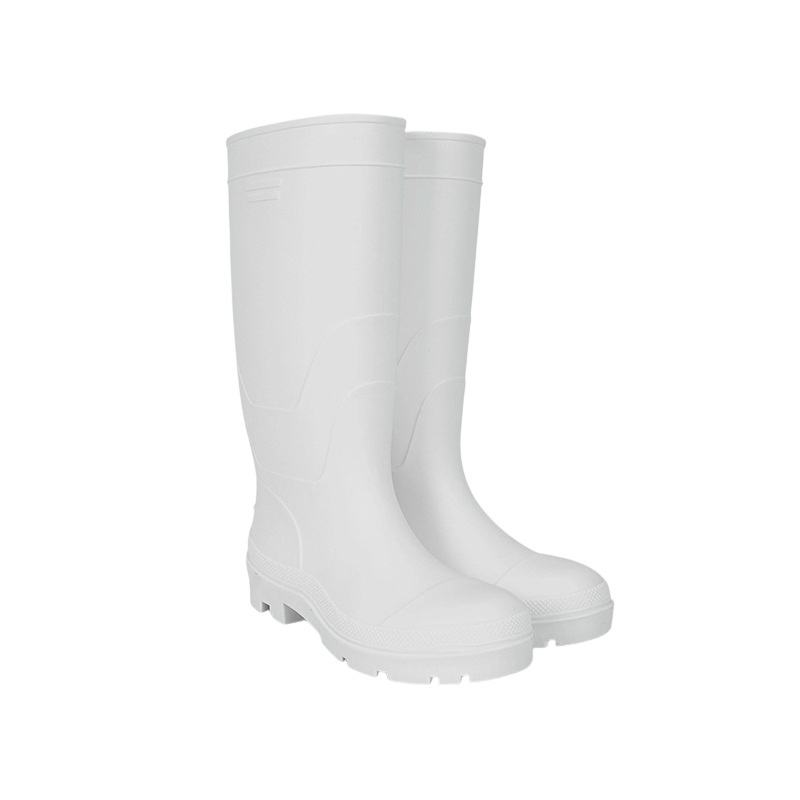
Meta Description: Cold industrial environments demand footwear that resists cracking and maintains grip. This article explores TPE compound’s role in low-temperature rain boots, covering material benefits, selection criteria, and maintenance. Professional Rain Boot Manufacturer outlines key considerations for industrial users.
Keywords: TPE Compound, industrial rain boots, low-temperature footwear, waterproof shoe materials, winter work footwear, boot performance
1. Core Problem Analysis
1.1 Common Causes of the Problem
Many industrial rain boots fail in low temperatures due to material brittleness, improper compound formulation, or lack of testing for sub-zero conditions. PVC boots often become rigid and crack below 5°C, while natural rubber may lose flexibility after extended exposure to -10°C or lower. These failures lead to leaks, reduced safety, and premature replacement, creating unplanned downtime for workers. A common root cause is manufacturers skipping low-temperature flexibility testing before batch production.
1.2 Affected Usage Scenarios
Extreme low-temperature industrial environments include outdoor construction in northern regions, frozen food processing facilities, livestock farming in cold climates, and offshore fishing operations during winter. Workers in these areas face risks such as slippery icy surfaces, accidental spills of cold liquids, and long hours standing in sub-zero conditions without proper footwear performance. Traditional materials like standard rubber or PVC often cannot handle these sustained low-temperature demands.
2. Product and Process Principle
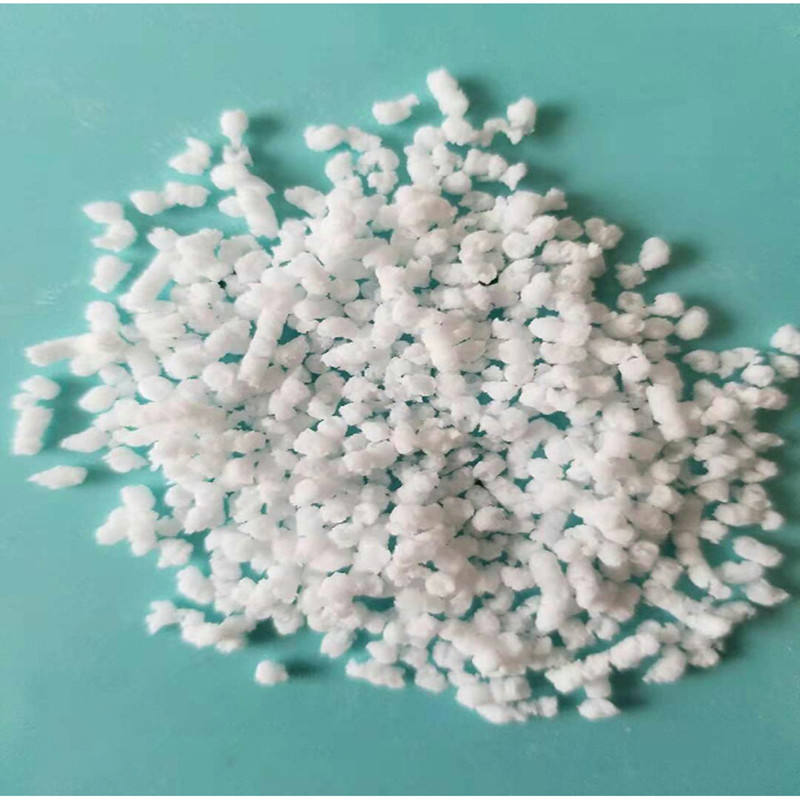
TPE (Thermoplastic Elastomer) compound is a blend of polymer materials designed to combine the flexibility of rubber with the processability of thermoplastics. Unlike vulcanized rubber, TPE can be melted and reshaped during injection molding, making it suitable for scalable production for a Professional Rain Boot Manufacturer. Key formulation factors that impact low-temperature performance include the ratio of hard and soft segments in the polymer, plasticizer content, and cross-linking density. Properly formulated TPE remains flexible at temperatures as low as -30°C, far outperforming standard PVC and many natural rubber compounds.
In rain boot manufacturing, TPE is used for both outsole and upper materials. The outsole’s tread pattern is optimized alongside the compound’s grip properties under cold, wet conditions, while the upper’s seam-free injection molding reduces leakage points compared to bonded seams. Thickness control is another critical factor: TPE boots for low-temperature use require a minimum thickness of 2.5mm to maintain insulation and structural integrity, without adding unnecessary bulk that hinders mobility.
3. Practical Solutions and Operation Steps
- Step 1: Verify low-temperature performance requirements for your specific work environment, referencing standard test criteria for sub-zero footwear. For example, if operating in areas with average winter temperatures below -15°C, select TPE compounds tested for -20°C flexibility or lower.
- Step 2: Match boot features to use cases: choose a mid-calf or full-shaft height for full cold protection, and opt for a deep-tread outsole to enhance slip resistance on icy surfaces.
- Step 3: Check material certification: ensure the TPE compound meets applicable occupational footwear standards for slip resistance and cold flexibility, without relying on unsubstantiated performance claims.
- Step 4: Test fit before purchase: TPE boots may have a slightly different break-in period than rubber boots, so size to allow for thick thermal socks used in cold environments.
4. Daily Maintenance and Precautions
Proper maintenance extends the lifespan of TPE rain boots, especially in low-temperature conditions. After use in cold, wet environments, wipe off dirt and salt residue with a damp cloth to prevent accelerated material degradation. Avoid placing boots near direct heat sources such as radiators or open fires, as sudden temperature changes can cause TPE to become brittle or crack over time. Do not use harsh solvents or bleach for cleaning, as these can break down the polymer structure of TPE compounds.
Additional precautions include storing boots in a cool, dry area away from direct sunlight when not in use, avoiding folding or creasing boots when they are fully frozen, and refraining from using cold TPE boots as a substitute for chemical protective footwear unless they meet EN 13832-3:2018 standards. Regular inspections for small cracks or seam damage can catch issues early, preventing larger failures during use.
5. Industry Standard and Parameter Reference
ParameterRecommended ReferenceWhy It Matters
Slip resistance (low-temperature)EN ISO 20344:2021 Test Method 7.1, conducted at -10°C ambient temperatureEvaluates outsole grip on wet, icy surfaces common in low-temperature workplaces
Cold flexibilityISO 20344:2021 Test Method 8.2, at specified sub-zero temperatureMeasures resistance to cracking when bent in cold conditions, critical for TPE compound selection
Occupational footwear requirementsISO 20347:2021 or EN ISO 20347:2022+A1:2024Covers general performance needs for non-safety work footwear, including water resistance
Chemical protective footwearEN 13832-3:2018 where prolonged cold chemical contact is claimedAdds testing for resistance to common workplace chemicals in low temperatures
Heat resistanceISO 20344:2021 Test Method 8.1, at elevated temperatures for storagePrevents degradation from accidental exposure to warm areas, complementary to cold performance
All performance evaluations should be conducted by accredited third-party test bodies to ensure accuracy. Test results for TPE compounds should specify the exact temperature at which flexibility and slip resistance were measured, as generic "cold-resistant" claims are not sufficient for industrial use.
6. Customer Common FAQ
Q: How do TPE rain boots compare to standard rubber boots in extreme low temperatures?
A: TPE compounds formulated for low temperatures maintain flexibility at -30°C or lower, while standard natural rubber typically stiffens below -10°C. A Professional Rain Boot Manufacturer notes that TPE boots also offer better resistance to flex cracking after repeated use in cold conditions, extending their service life compared to many rubber options.
Q: Can standard TPE rain boots be used in sub-zero industrial settings?
A: No, standard TPE compounds are designed for moderate temperatures. To perform well in extreme low temperatures, boots must be made with specialized TPE compounds tested for sub-zero flexibility, meeting specific test criteria outlined in ISO 20344:2021.
Q: How do I clean TPE rain boots without damaging the material?
A: Wipe the boots with a mild soap solution and a soft cloth, avoiding strong detergents or abrasive scrubbers. Air dry at room temperature, away from direct heat or sunlight, to prevent material degradation.
Q: Are TPE rain boots suitable for food processing facilities in cold climates?
A: TPE compounds can be formulated to meet food contact standards, but it is important to verify that the specific compound used in the boots complies with local food safety regulations. Many Professional Rain Boot Manufacturers offer food-grade TPE options for such applications.
Q: Do TPE boots provide the same level of insulation as rubber boots in cold weather?
A: Insulation depends on both the material and boot thickness. Properly formulated TPE with a 3mm upper layer provides comparable insulation to standard rubber of the same thickness, while also offering better flexibility for movement.
Conclusion
TPE compound offers a reliable solution for low-temperature industrial rain boot needs, addressing common failure points of traditional materials like PVC and standard rubber. By understanding key formulation factors, matching boot features to specific work environments, and following proper maintenance practices, industrial workers can improve safety and reduce footwear replacement costs. A Professional Rain Boot Manufacturer plays a critical role in producing TPE boots that meet global performance standards for cold and wet working conditions.
References
- International Organization for Standardization. ISO 20344:2021. Footwear - Test methods for whole shoe. Geneva: ISO, 2021.
- International Organization for Standardization. ISO 20347:2021. Occupational footwear. Geneva: ISO, 2021.
- European Committee for Standardization. EN ISO 20344:2021. Footwear - Test methods for whole shoe. Brussels: CEN, 2021.
- European Committee for Standardization. EN 13832-3:2018. Chemical protective footwear - Part 3: Requirements for chemical resistance. Brussels: CEN, 2018.