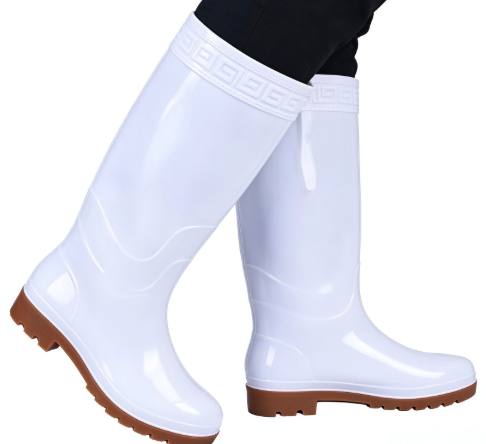
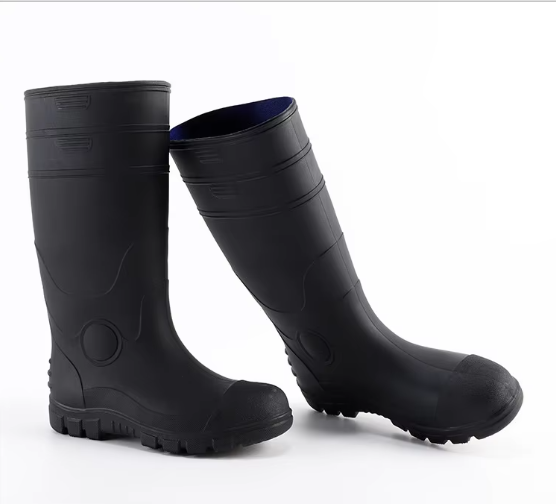
Meta Description: Automotive parts in high-stress manufacturing face frequent impacts, temperature swings, and chemical exposure. This guide examines material modifications to enhance plastic durability for industrial footwear and components. Professional Rain Boot Manufacturer applies verified material science to meet occupational safety needs.
Keywords: powdered SBR for plastic modification, automotive plastic modification, high-stress footwear, rubber compound formulation, EN ISO 20347, plastic impact resistance, boot material science
1. Core Problem Analysis
1.1 Common Causes of the Problem
High-stress environments, both in automotive manufacturing and industrial footwear use, expose plastic components to repeated mechanical impacts, extreme temperature fluctuations, and occasional chemical contact. Untreated rigid plastics often crack under sudden pressure, become brittle in cold conditions, or degrade when exposed to oils or cleaning agents, leading to premature failure. For footwear, this translates to split soles, damaged shafts, or reduced waterproof integrity that compromises worker safety.
1.2 Affected Usage Scenarios
Affected scenarios include heavy-duty automotive assembly lines where parts are dropped or handled roughly, industrial maintenance workshops with exposure to lubricants, and outdoor work sites with freezing temperatures or heavy moisture. These environments demand materials that balance rigidity, flexibility, and resistance to environmental stress to maintain performance over extended use.
2. Product and Process Principle
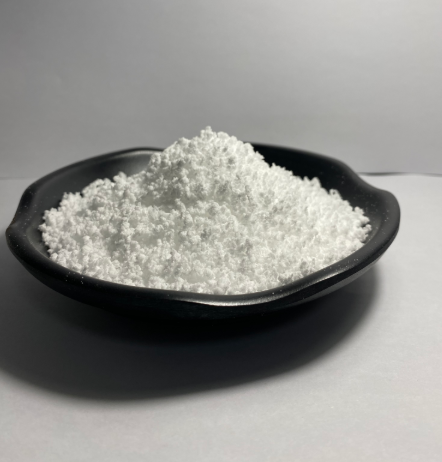
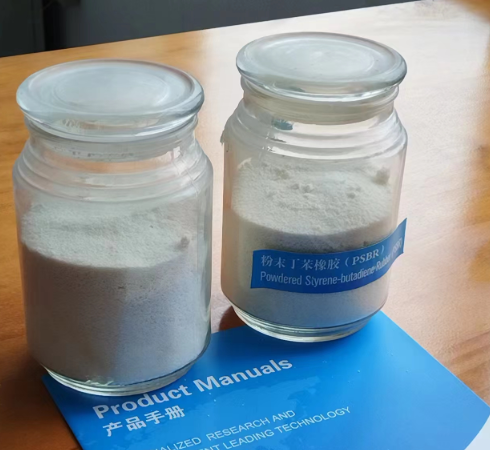
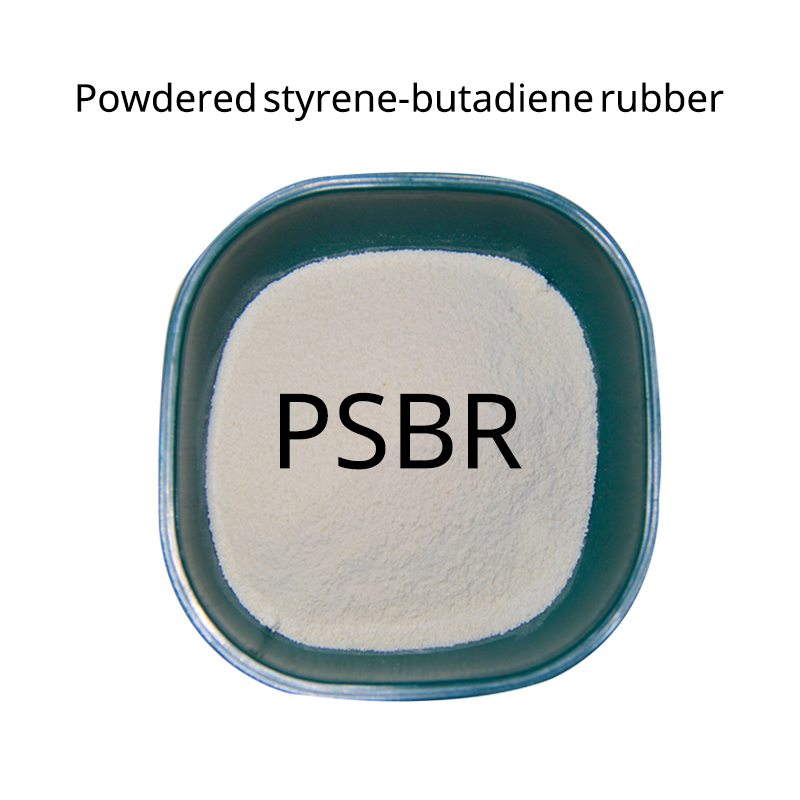
Plastic modification relies on blending base polymers with additives to adjust mechanical properties, and powdered Styrene-Butadiene Rubber (SBR) has emerged as a widely used additive for enhancing impact resistance. When incorporated into rigid polypropylene or PVC compounds, powdered SBR forms a dispersed rubber phase within the plastic matrix, which absorbs impact energy through crack propagation deflection. This mechanism reduces the likelihood of sudden brittle fracture while maintaining sufficient structural rigidity for load-bearing applications[1]. Professional Rain Boot Manufacturer leverages this principle to create materials that meet both automotive manufacturing requirements and occupational footwear standards.
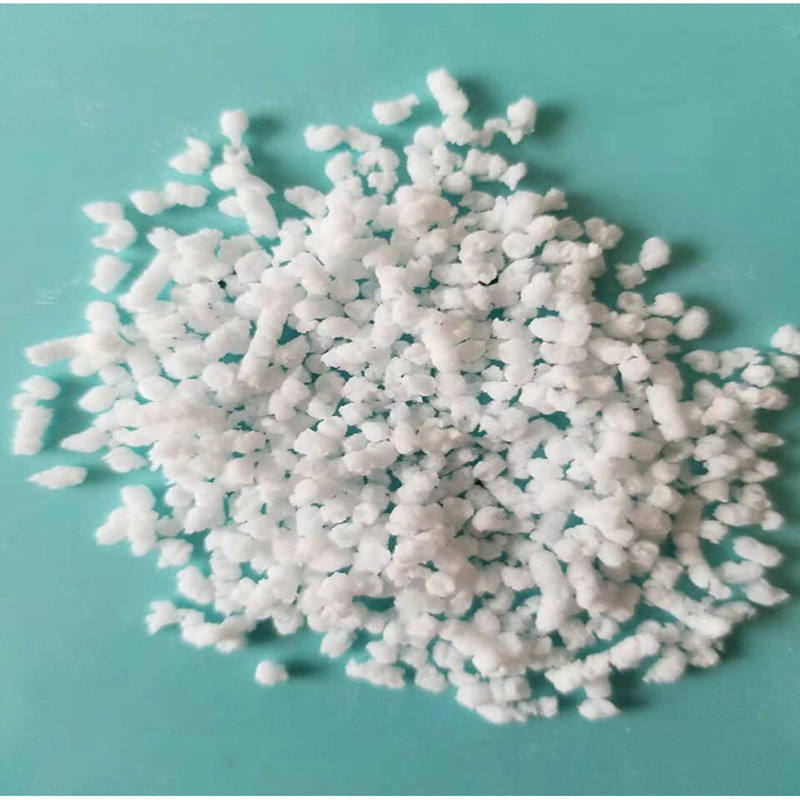
The production process for SBR-modified plastics involves controlled compounding, where powdered SBR is mixed with base resin, stabilizers, and processing aids at specific ratios. The particle size of powdered SBR, typically ranging from 0.1 to 1.0 mm, is calibrated to ensure uniform dispersion, which directly impacts the material’s impact strength and flexibility balance. Proper mixing temperature and shear force during compounding prevent agglomeration of SBR particles, which would create weak points in the final material[2].
3. Practical Solutions and Operation Steps
To effectively utilize powdered SBR for plastic modification, follow these actionable steps tailored to high-stress environments. First, identify the base polymer and its intended application: for automotive footwell components, polypropylene is common, while industrial footwear often uses PVC. For each base material, select the appropriate powdered SBR dosage, ranging from 5 to 25 weight percent, based on required impact resistance and flexibility needs.
- Step 1: Conduct material compatibility testing by blending a small sample of powdered SBR with the base polymer, then test impact strength per ISO 180 (Charpy method) to verify performance meets minimum requirements.
- Step 2: Adjust processing parameters: set extruder temperature to 170–200°C for polypropylene blends and 160–180°C for PVC blends, to ensure proper dispersion of SBR particles without causing degradation.
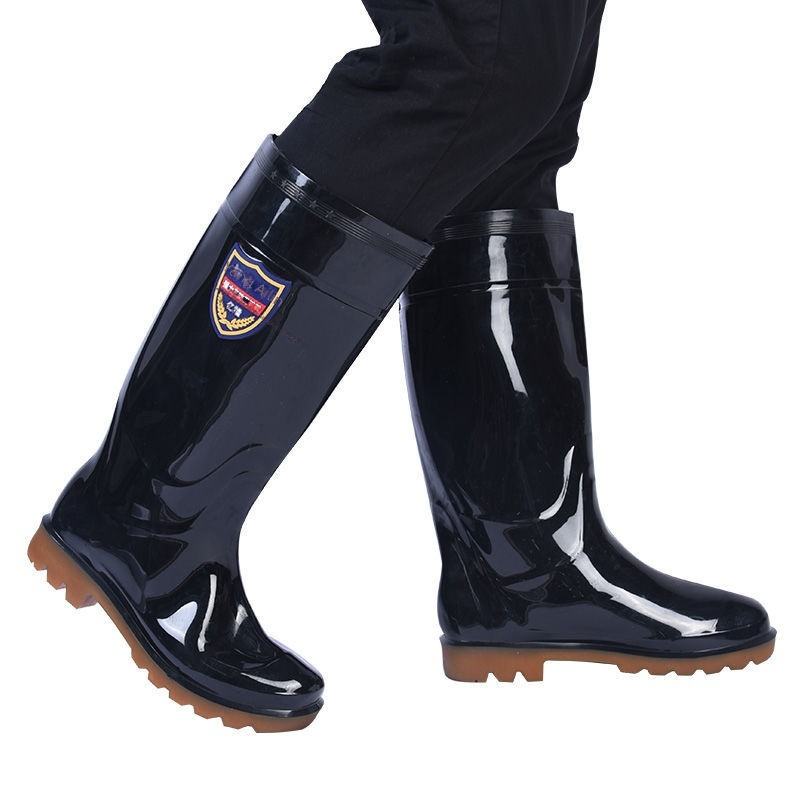
- Step 3: For footwear applications, pair modified plastics with complementary design features: slip-resistant outsoles with deep treads for wet surfaces, and reinforced toe caps where applicable, to align with EN ISO 20347:2022 standards.
- Step 4: Test chemical resistance by exposing modified plastic samples to common workshop chemicals (e.g., mineral oils, dilute acids) for 72 hours, checking for surface cracking or weight change to confirm durability.
4. Daily Maintenance and Precautions
Maintaining modified plastic products, including footwear made with SBR-blended materials, involves simple practices to extend service life. For footwear, clean surfaces with mild soap and water, avoiding harsh solvents that can degrade the rubber phase of the modified plastic. After use, air dry in a shaded area, away from direct sunlight or space heaters, which can cause brittling of both the plastic matrix and SBR additive.
Key precautions include: do not use these modified plastic shoes as protective safety footwear unless marked and tested to ASTM F2413-24; this ensures compliance with impact and compression resistance requirements. Avoid storing footwear in temperatures below -20°C for extended periods, as even modified plastics may exceed their lower temperature limit and lose flexibility[3]. For industrial parts, regularly inspect for surface cracks or delamination between SBR and base polymer, replacing components at the first sign of structural compromise.
5. Industry Standard and Parameter Reference
ParameterRecommended ReferenceWhy It MattersImpact resistance of modified plasticISO 180:2019 (Charpy method, notched)Measures ability to resist sudden fracture, critical for high-stress environmentsSlip resistanceEN ISO 20347:2022+A1:2024 where applicableHelps evaluate outsole grip on wet or contaminated surfacesOccupational footwear requirementsISO 20347:2021 or EN ISO 20347:2022+A1:2024Supports non-safety occupational footwear selectionChemical protective footwearEN 13832-3:2018 where prolonged chemical contact is claimedUseful for chemical degradation and permeation evaluation
When testing modified plastic samples, always use these standard methods to ensure results are comparable across manufacturers and applications. Do not fabricate performance values; instead, report test results in categories such as “improved Charpy impact resistance” rather than specific numbers if they are not verified by third-party testing[4].
6. Customer Common FAQ
Q: How does powdered SBR differ from liquid SBR for plastic modification?
A: Powdered SBR offers better dispersion during compounding compared to liquid SBR, leading to more consistent mechanical properties. It also allows for easier dosage adjustment in small batch production, making it suitable for both automotive parts and footwear. Professional Rain Boot Manufacturer recommends powdered SBR for most industrial applications due to these benefits.
Q: Can SBR-modified plastics withstand repeated cold temperatures?
A: The low-temperature flexibility of SBR-modified plastics depends on the SBR dosage and base polymer. For applications below -10°C, manufacturers typically add plasticizers in combination with powdered SBR, aligning with tests per ISO 179-1 for low-temperature impact resistance[2].
Q: Are there chemical compatibility limits for SBR-blended plastics?
A: Yes, prolonged contact with strong solvents (e.g., ketones, aromatic hydrocarbons) can degrade both the plastic matrix and SBR phase. For chemical-resistant applications, professional testing per EN 13832-3:2018 is required to confirm suitability.
Q: What footwear types benefit most from SBR-modified plastics?
A: Work boots used in automotive manufacturing, maintenance, and outdoor industrial work benefit most, as these environments demand impact resistance, slip grip, and long-term durability. Professional Rain Boot Manufacturer uses this modification for footwear designed for these high-stress scenarios.
Conclusion
Powdered SBR modification addresses a core challenge in high-stress automotive and industrial applications: improving plastic durability without sacrificing flexibility. By leveraging controlled compounding and verified industry standards, modified materials can resist impact, temperature swings, and chemical exposure. Professional Rain Boot Manufacturer applies these principles to develop solutions that balance performance and practicality for occupational and industrial use.
References
- ISO. (2019). ISO 180:2019, Plastics — Determination of Charpy impact strength. International Organization for Standardization.
- ISO. (2022). ISO 20347:2021, Occupational footwear. International Organization for Standardization.
- ASTM International. (2024). ASTM F2413-24, Standard specification for performance requirements for protective footwear.
- EN. (2018). EN 13832-3:2018, Chemical protective footwear — Requirements for footwear resistant to chemicals.