Meta Description: Industrial workers in heavy-duty settings face unique challenges from dust, moisture, and uneven surfaces, making proper footwear critical for safety and productivity. This guide explores key features of specialized dustproof waterproof PVC boots, helping end-users and procurement teams understand performance requirements and use cases. Professional Rain Boot Manufacturer leverages industry expertise to translate material science into practical solutions.
Keywords: Dustproof Waterproof PVC Boots, industrial rain boots, work footwear, PVC safety boots, heavy-duty boot maintenance, occupational footwear standards
1. Core Problem Analysis
1.1 Common Causes of the Problem
Workers in heavy industrial environments often encounter issues that standard footwear cannot address: water leakage through weak seams, dust accumulation inside footwear causing skin irritation, insufficient slip resistance on contaminated floors, rapid material degradation from repeated exposure to chemicals or abrasives, and improper fit leading to fatigue during long shifts. These problems can reduce comfort, increase the risk of workplace incidents, and shorten the lifespan of regular footwear.
1.2 Affected Usage Scenarios
The scenarios impacted include warehouse operations with heavy dust and occasional water spills, food processing facilities requiring frequent cleaning with water-based detergents, construction sites with muddy and debris-filled ground, livestock farming environments where animals create excess moisture and organic debris, and outdoor industrial maintenance work in rainy or dusty conditions. Each setting imposes unique demands that require specialized boot design to meet performance needs.
2. Product and Process Principle
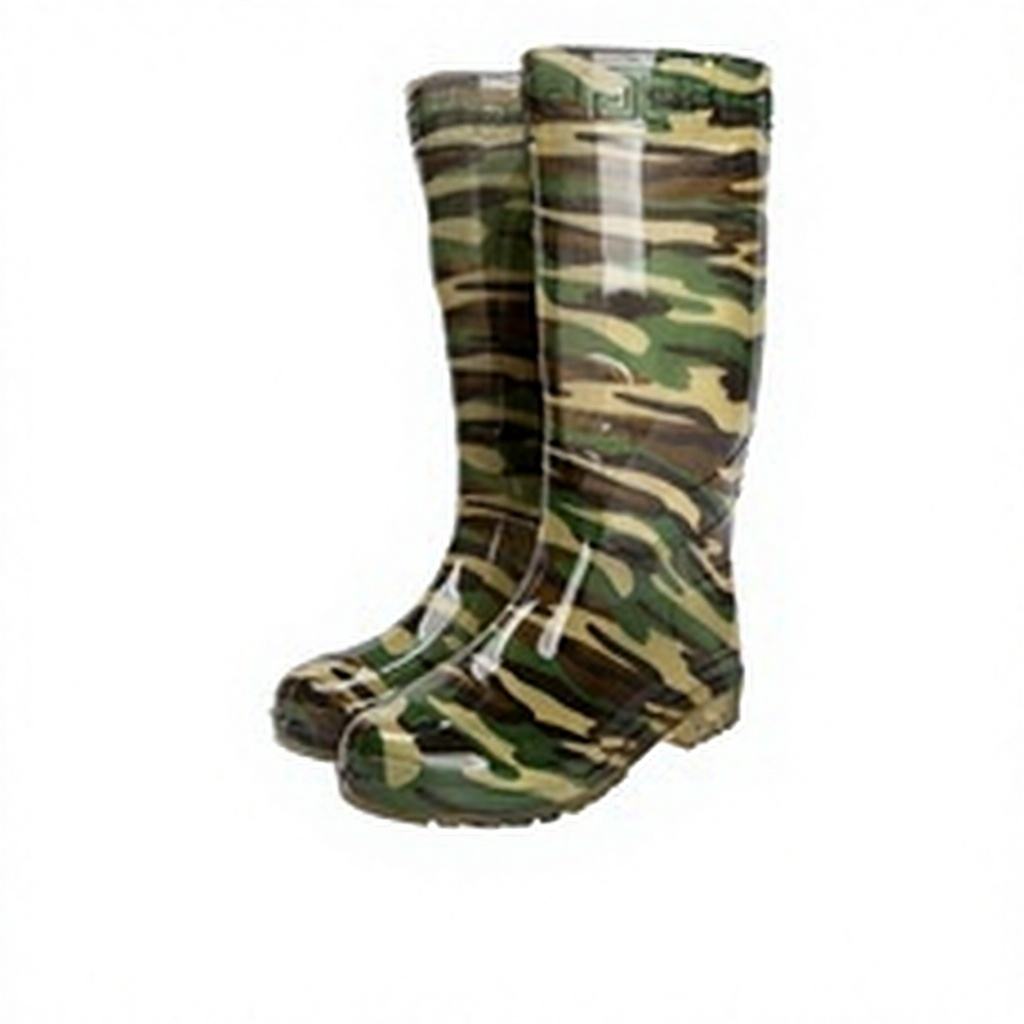
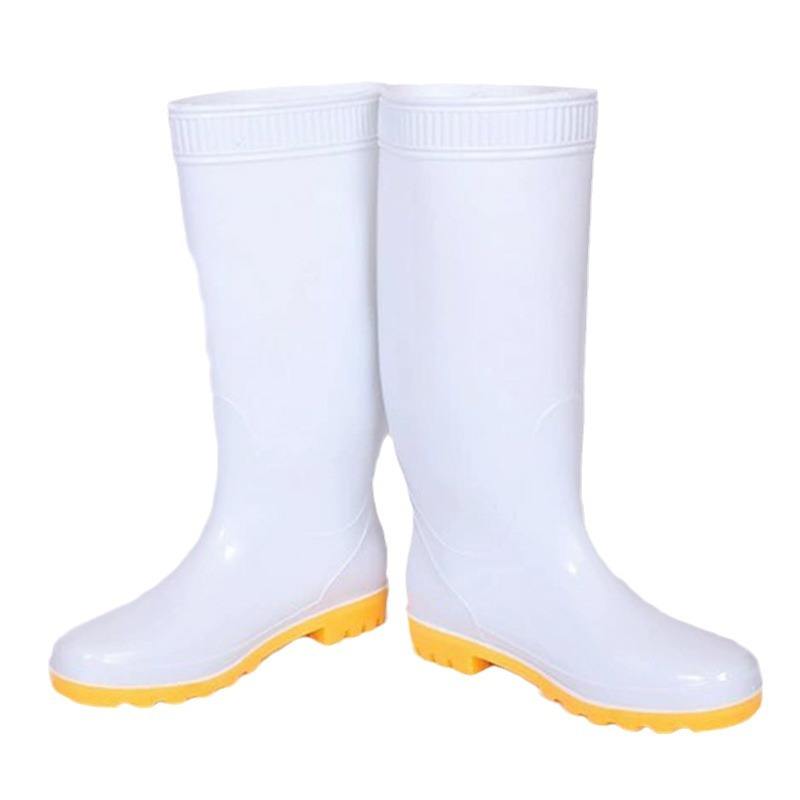
Dustproof waterproof PVC boots rely on a combination of material properties and manufacturing processes to deliver performance. Polyvinyl chloride (PVC) is a durable thermoplastic polymer that is inherently water- and dust-resistant when formulated correctly. Seam-free injection molding, a common production method for these boots, eliminates weak points where water or dust could infiltrate, unlike stitched boots that may have gaps after use. Outsole patterns are designed to provide traction on smooth or wet surfaces, with thickness controlled to balance flexibility and abrasion resistance. Professional Rain Boot Manufacturer uses compound formulation techniques to adjust PVC hardness, flexibility, and chemical resistance for specific industrial applications.
The shaft height is another key design element: taller shafts extend above the ankle to prevent dust, water, or debris from entering the boot, while reinforced toe caps add impact protection where needed. Lining materials are chosen to reduce moisture buildup inside the boot, improving comfort during long shifts. Vulcanization, a process often used in rubber boot production, is less common in standard PVC boots but may be applied for enhanced durability in highly abrasive industrial settings.
3. Practical Solutions and Operation Steps
To select the right dustproof waterproof PVC boots for heavy-duty use, follow these actionable steps that align with industry standards and application requirements.
- Match boot specifications to your primary work scenario: For warehouse dust and water spills, choose boots with a seamless injection-molded design and a 12-inch or taller shaft; for chemical exposure, select boots formulated to resist the specific chemicals present in your workspace, verified against relevant standards.
- Check outsole traction against slip resistance standards: Look for boots tested per EN ISO 20344:2021 for slip resistance on wet or oily surfaces, as this directly impacts workplace safety.
- Verify fit and comfort: Ensure the boot size allows for thick work socks without being too tight, as improper fit can reduce circulation and increase fatigue during long shifts.
- Inspect construction details: Confirm there are no visible seams or gaps around the shaft, toe, or sole, as these are common entry points for dust and water.
- Test for chemical resistance if needed: For workers handling chemicals, check product documentation for test results against EN 13832-3:2018 to confirm the boot resists permeation from targeted chemicals.
It is important to note that dustproof waterproof PVC boots are not suitable for all heavy-duty work scenarios, particularly those requiring extreme impact protection or resistance to high temperatures, where other materials like rubber may be more appropriate.
4. Daily Maintenance and Precautions
Proper maintenance extends the lifespan of dustproof waterproof PVC boots and preserves their performance properties. After each use, clean the boot with mild soap and warm water to remove dirt, dust, and debris; avoid strong solvents or abrasive cleaners, as these can damage the PVC material and reduce its water resistance.
To dry the boots, remove excess water and place them in a cool, well-ventilated area away from direct sunlight or high heat sources like radiators. Long exposure to sunlight can cause PVC to become brittle and crack over time, while excessive heat can warp the boot’s shape. For odor control, use baking soda inside the boot and allow it to sit overnight, then empty and brush out the residue before the next use.
Avoid storing boots in enclosed, damp spaces, as this can promote mold or mildew growth inside the lining. Do not use regular dustproof waterproof PVC boots as protective safety footwear unless they are explicitly marked to meet safety toe or puncture resistance standards; these boots are designed for general industrial use and do not provide the same protection as specialized safety footwear.
5. Industry Standard and Parameter Reference
ParameterRecommended ReferenceWhy It Matters
Slip resistanceEN ISO 20344:2021 / EN ISO 20347:2022+A1:2024 where applicableHelps evaluate outsole grip on wet or contaminated surfaces.
Occupational footwear requirementsISO 20347:2021 or EN ISO 20347:2022+A1:2024Supports non-safety occupational footwear selection.
Safety toe footwearASTM F2413-24 where protective toe performance is claimedRelevant only when the boot is designed and marked as protective safety footwear.
Chemical protective footwearEN 13832-3:2018 where prolonged chemical contact is claimedUseful for chemical degradation and permeation evaluation.
Dust resistanceISO 20344:2021 Part 8 (dust penetration test)Evaluates the ability of boot seams and shaft to block particulate ingress.
It is critical to only use parameters and standards that match your work environment; for example, dust resistance testing for industrial footwear focuses on particulate penetration rather than water immersion testing, which is more relevant for wet environments. Do not invent performance numbers, as test results must come from verified third-party laboratories to ensure accuracy and reliability.
6. Customer Common FAQ
Q: Are dustproof waterproof PVC boots suitable for use in food processing facilities?
A: Yes, as long as they are formulated with food-safe PVC compounds and meet cleaning requirements for food handling settings. Professional Rain Boot Manufacturer ensures their products comply with relevant industry hygiene standards when specified for food processing use.
Q: How often should industrial PVC boots be replaced?
A: Replacement frequency depends on use conditions: boots in high-abrasion environments may need replacement every 6-12 months, while those in less demanding settings can last 18-24 months. Regular inspections for cracks, seam damage, or outsole wear help determine when replacement is needed.
Q: Can PVC boots resist common industrial chemicals?
A: PVC has basic resistance to many oils, mild acids, and solvents, but it may degrade from exposure to strong chemicals like ketones or concentrated acids. Always check product documentation for chemical resistance specifications before use.
Q: Do dustproof boots restrict breathability for long shifts?
A: PVC is a non-breathable material, which can lead to moisture buildup inside the boot. Look for models with porous linings or moisture-wicking materials if breathability is a priority for long shift work.
Q: How do I clean PVC boots without damaging their waterproof properties?
A: Use mild soap and warm water, avoid pressure washing, and do not use abrasive brushes or strong cleaners. These methods preserve the PVC material and prevent damage to sealed seams that maintain waterproof performance.
Conclusion
Selecting the right dustproof waterproof PVC boots for heavy-duty industrial work requires aligning product features with specific work environment needs, verifying performance against industry standards, and following proper maintenance practices to extend product lifespan. Understanding material properties, manufacturing processes, and test parameters helps workers and procurement teams make informed decisions. Professional Rain Boot Manufacturer uses this technical knowledge to develop boots that address the unique challenges of industrial work settings, balancing durability, comfort, and performance.
References
- International Organization for Standardization. ISO 20347:2021 - Occupational Footwear.
- International Organization for Standardization. ISO 20344:2021 - Footwear Test Methods.
- European Committee for Standardization. EN 13832-3:2018 - Chemical Protective Footwear.
- American Society for Testing and Materials. ASTM F2413-24 - Standard Specification for Performance Requirements of Protective Footwear.