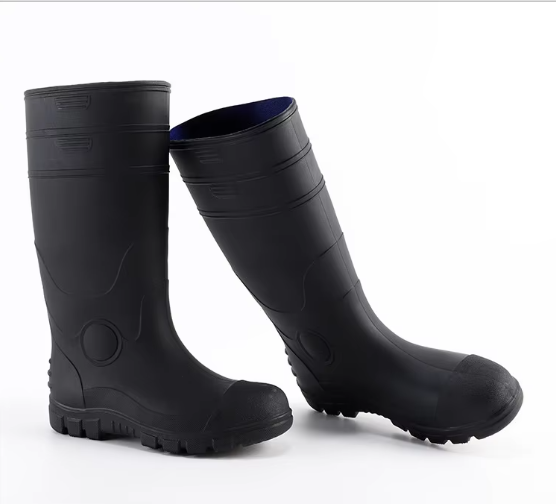
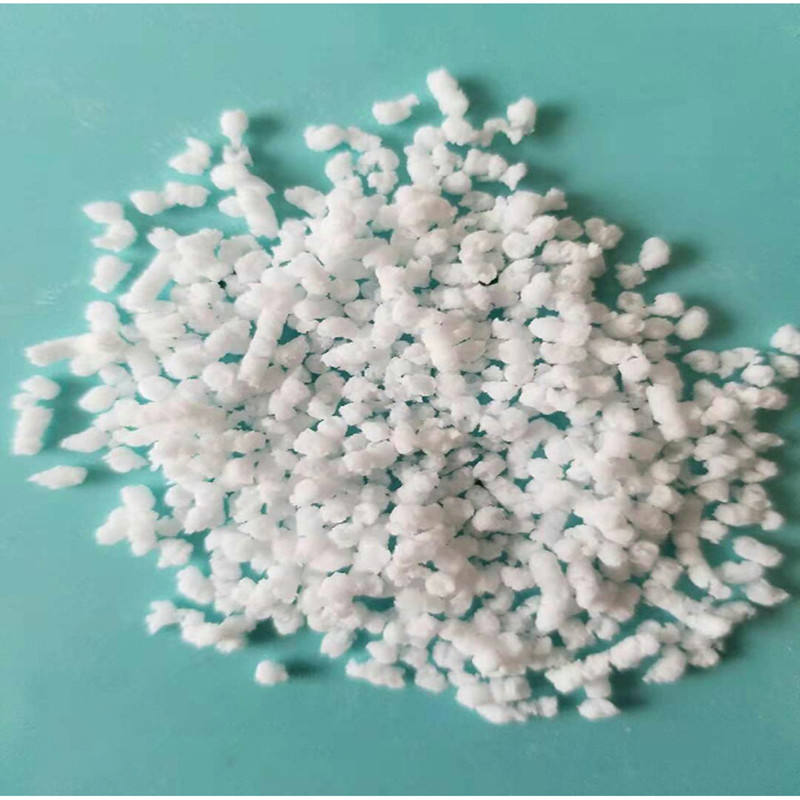
Meta Description: Industrial workers in high-pressure, muddy, or hazardous environments often face rain boots that leak, slip, or break prematurely. This guide breaks down key factors to choose boots that meet operational needs while adhering to industry standards. Professional Rain Boot Manufacturer
Keywords: PSBR rain boots, industrial waterproof boots, boot maintenance, high-pressure footwear, outsole slip resistance, rubber boot materials
1. Core Problem Analysis
1.1 Common Causes of the Problem
Many industrial workers encounter issues with ill-suited rain boots, such as water seeping through seams or thin materials, outsoles losing grip on wet steel or concrete, lining causing overheating during long shifts, and rapid cracking from prolonged exposure to chemicals or extreme temperatures. Poor material formulation or incorrect manufacturing processes are the root causes of most of these failures. For example, untested PVC compounds may degrade faster in harsh environments, while insufficient vulcanization for rubber boots reduces structural durability.
1.2 Affected Usage Scenarios
These issues impact a wide range of industrial settings, including chemical processing plants, offshore drilling sites, livestock farming, construction sites, rainy urban logistics hubs, and food processing facilities. Each scenario presents unique challenges: chemical plants require resistance to corrosive liquids, while livestock work demands boots that withstand mud and manure without causing slips.
2. Product and Process Principle
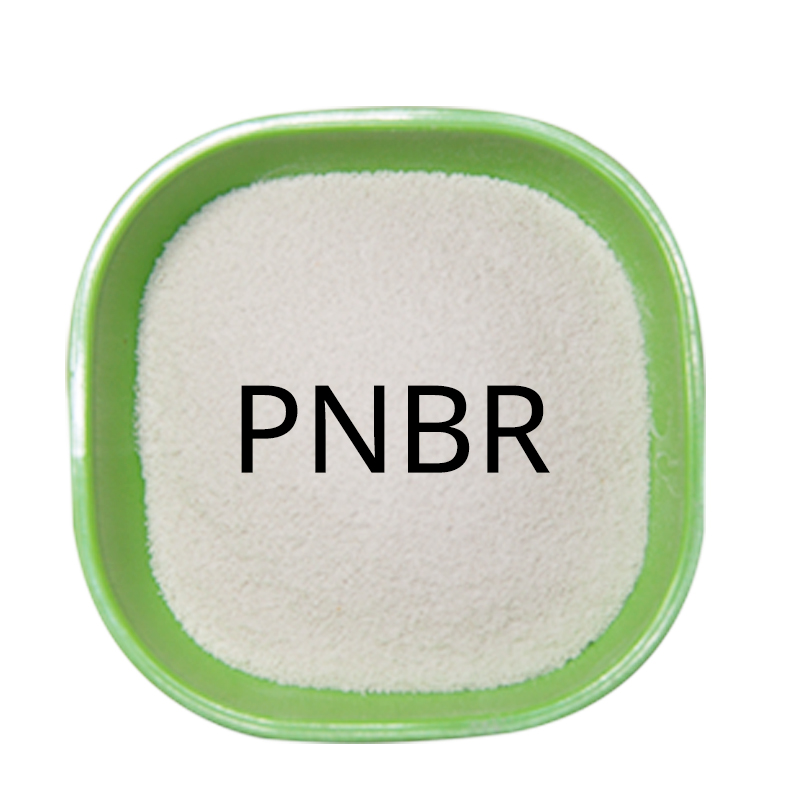
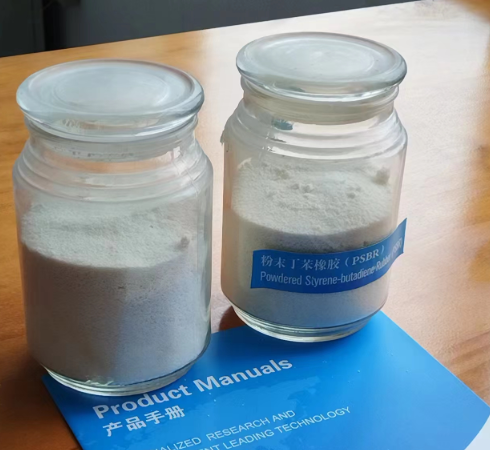
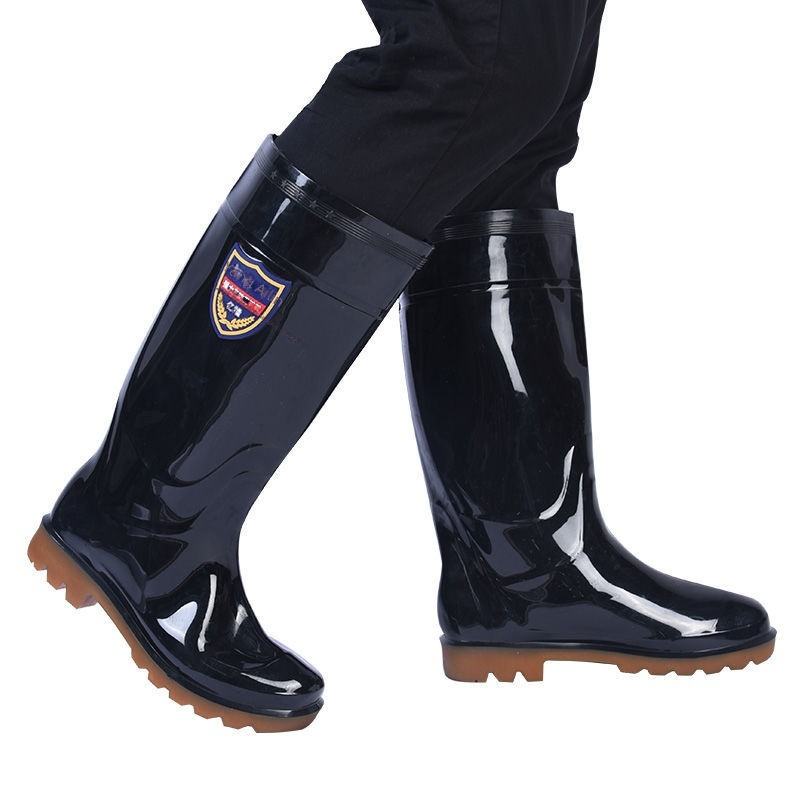
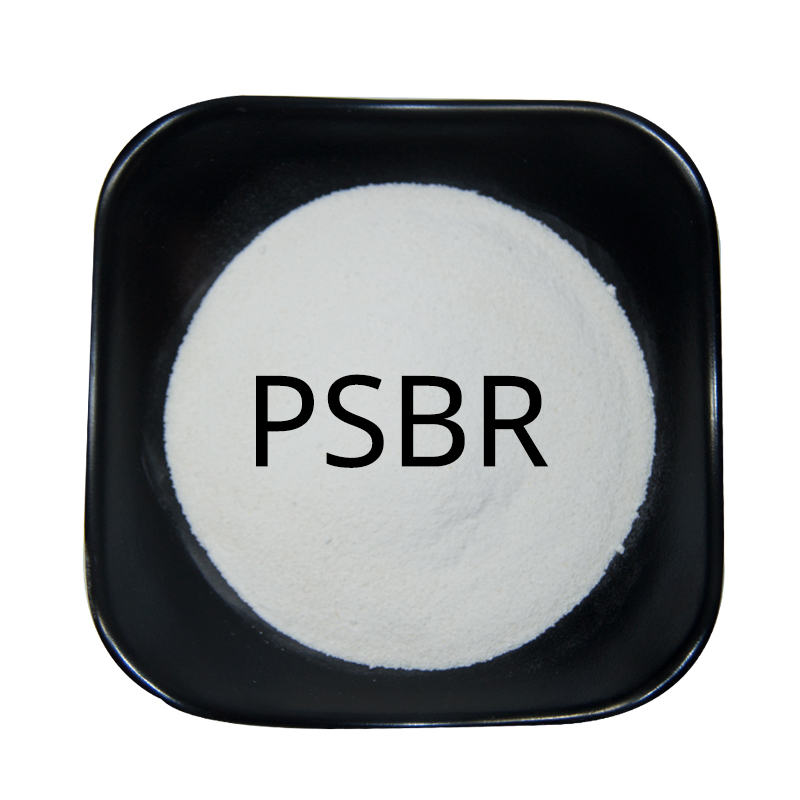
PSBR rain boots use a specialized combination of rubber and polymer compounds, optimized for flexibility and durability in extreme conditions. The manufacturing process involves precise compound formulation, where base rubber is mixed with additives to enhance resistance to temperature, chemicals, and abrasion. Injection molding is used for seamless seam construction, eliminating a common entry point for water leakage. Outsole design follows EN ISO 20344:2021 standards, with deep treads tailored to improve grip on uneven, slippery surfaces. Professional Rain Boot Manufacturer applies these principles to ensure boots align with long-term industrial use requirements.
3. Practical Solutions and Operation Steps
To select suitable PSBR rain boots for your operation, follow these actionable steps:
- First, identify your primary usage scenario: if you work with chemicals, prioritize boots certified to EN 13832-3:2018 for chemical resistance. If you work on wet steel floors, check slip resistance ratings per EN ISO 20347:2022+A1:2024.
- Measure foot size with proper work socks, as thick socks require a half-size larger fit to avoid discomfort during long shifts.
- Evaluate shaft height: taller shafts (above 18 inches) are ideal for deep mud or water, while shorter shafts may be sufficient for light rainy commutes.
- Test flexibility at extreme temperatures: bend the boot at the lowest operating temperature of your worksite to ensure it does not crack or stiffen.
- Verify that the boot’s lining is breathable to reduce overheating during extended wear, especially in warm industrial environments.
4. Daily Maintenance and Precautions
Proper maintenance extends the lifespan of industrial rain boots and preserves their performance. After each use, clean the boot with mild soap and warm water, avoiding strong solvents that can degrade rubber or polymer compounds. Dry boots in a shaded, well-ventilated area away from direct sunlight or high heat sources (such as heaters or industrial furnaces), as these can cause material warping or cracking. Do not leave boots submerged in water for extended periods, as this can accelerate material breakdown. For chemical-resistant boots, rinse immediately after contact with corrosive substances to prevent long-term damage. Avoid using work boots for non-industrial activities that could subject them to unnecessary stress, such as hiking or heavy lifting, unless the boot is designed for multi-purpose use.
5. Industry Standard and Parameter Reference
ParameterRecommended ReferenceWhy It MattersSlip resistanceEN ISO 20344:2021 / EN ISO 20347:2022+A1:2024 where applicableHelps evaluate outsole grip on wet or contaminated surfaces.Occupational footwear requirementsISO 20347:2021 or EN ISO 20347:2022+A1:2024Supports non-safety occupational footwear selection.Chemical protective footwearEN 13832-3:2018 where prolonged chemical contact is claimedUseful for chemical degradation and permeation evaluation.Temperature resistanceISO 20344:2021 (low-temperature flex test)Ensures boot flexibility in cold industrial environments without cracking.
This table provides a framework to verify that selected boots meet relevant industry benchmarks. Do not invent performance values; always reference standard test methods or third-party test reports to confirm a boot’s capabilities.
6. Customer Common FAQ
Q: How do I know if PSBR rain boots are suitable for my chemical processing plant?
A: Look for boots certified to EN 13832-3:2018, which tests chemical resistance for common industrial substances like acids, alkalis, and solvents. Professional Rain Boot Manufacturer can provide documentation of test results to confirm compatibility with your plant’s specific chemicals.
Q: Can I use the same rain boots for both farming and construction work?
A: It depends on the requirements. Construction sites often need boots with higher slip resistance for concrete or steel, while farming requires resistance to mud and manure. Choose boots that meet the most stringent standard for your primary task, as multi-purpose boots may not perform as well in specialized environments.
Q: How often should I replace my industrial rain boots?
A: Replacement frequency depends on usage: for daily use in harsh environments, inspect boots monthly for cracks, seam separation, or outsole wear. Replace boots if any of these issues appear, as they compromise waterproofing and safety.
Q: Can I store my rain boots in a warm garage during winter?
A: Avoid storing boots near heat sources, as high temperatures can degrade rubber compounds and cause warping. Store boots in a cool, dry area at consistent room temperature to preserve material integrity.
Professional Rain Boot Manufacturer uses standardized maintenance guidelines to advise users on extending boot lifespan.
Conclusion
Selecting the right PSBR rain boots requires aligning operational needs with industry standards and material properties. By identifying usage scenarios, verifying certification, and following proper maintenance, industrial workers can avoid common issues like slipping, leaking, and premature wear. Professional Rain Boot Manufacturer emphasizes the importance of data-driven selection to ensure reliable performance in extreme industrial environments, reducing downtime and improving workplace safety.
References
- International Organization for Standardization. ISO 20344:2021, Footwear - Test methods for whole shoe, 2021.
- European Committee for Standardization. EN ISO 20347:2022+A1:2024, Occupational footwear, 2024.
- European Committee for Standardization. EN 13832-3:2018, Chemical protective footwear - Classification and requirements for footwear resistant to chemicals, 2018.
- International Organization for Standardization. ISO 20347:2021, Occupational footwear, 2021.