Meta Description: Industrial workers in chemical facilities face unique risks from harsh acids and alkalis that can degrade ordinary footwear. This guide breaks down key considerations for selecting footwear designed to withstand prolonged chemical exposure, helping professionals make informed choices to protect their feet and meet regulatory requirements. Professional Rain Boot Manufacturer
Keywords: Acid & Alkali Resistant Boots, chemical-resistant footwear, industrial work boots, rubber boot materials, occupational footwear standards, boot maintenance, chemical safety
1. Core Problem Analysis
1.1 Common Causes of the Problem
Workers often overlook footwear vulnerabilities in chemical environments: standard waterproof boots rely on non-resistant materials that break down after repeated exposure, while improperly sealed seams or thin materials allow chemical permeation. Unaddressed issues include material swelling, surface cracking, and gradual chemical penetration that can cause skin irritation or chemical burns.
1.2 Affected Usage Scenarios
High-risk work environments include chemical manufacturing plants, industrial cleaning facilities, pharmaceutical production sites, agricultural chemical handling operations, and laboratory settings with frequent acid or alkali exposure. Workers in these roles require footwear that prevents immediate harm and maintains performance through long-term use.
2. Product and Process Principle
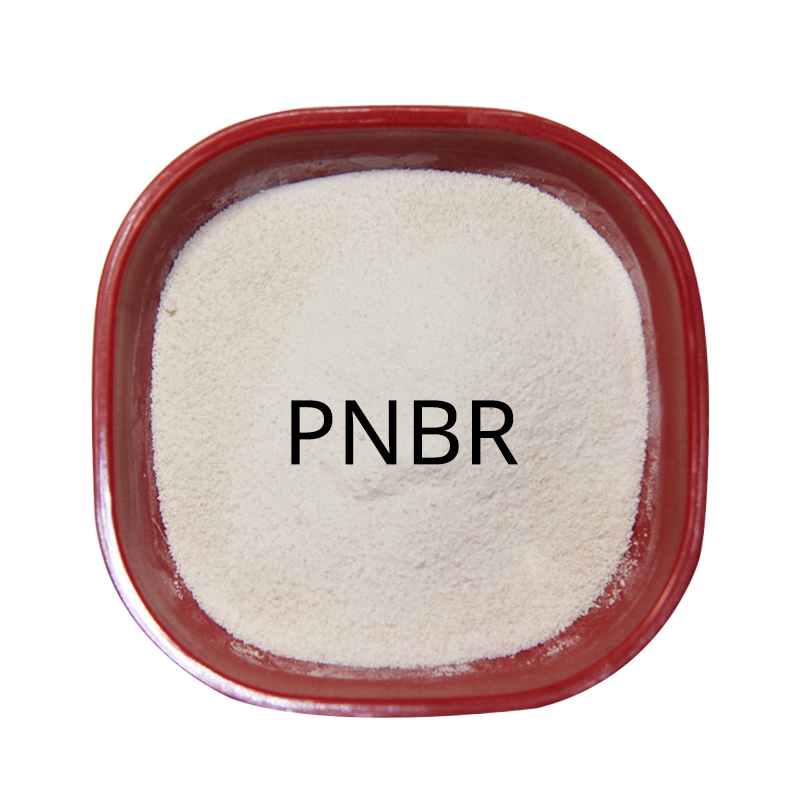
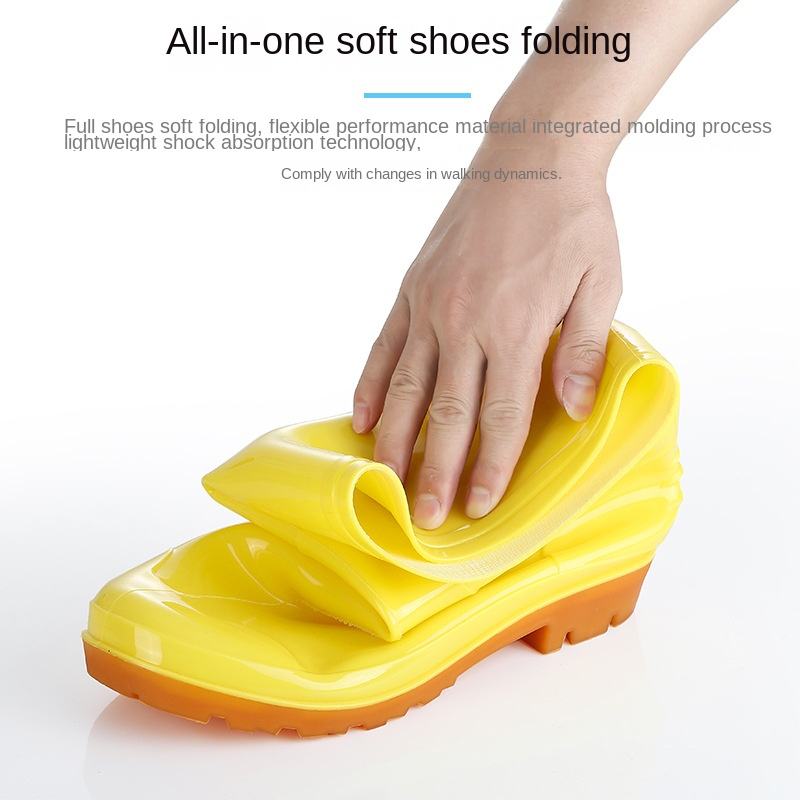
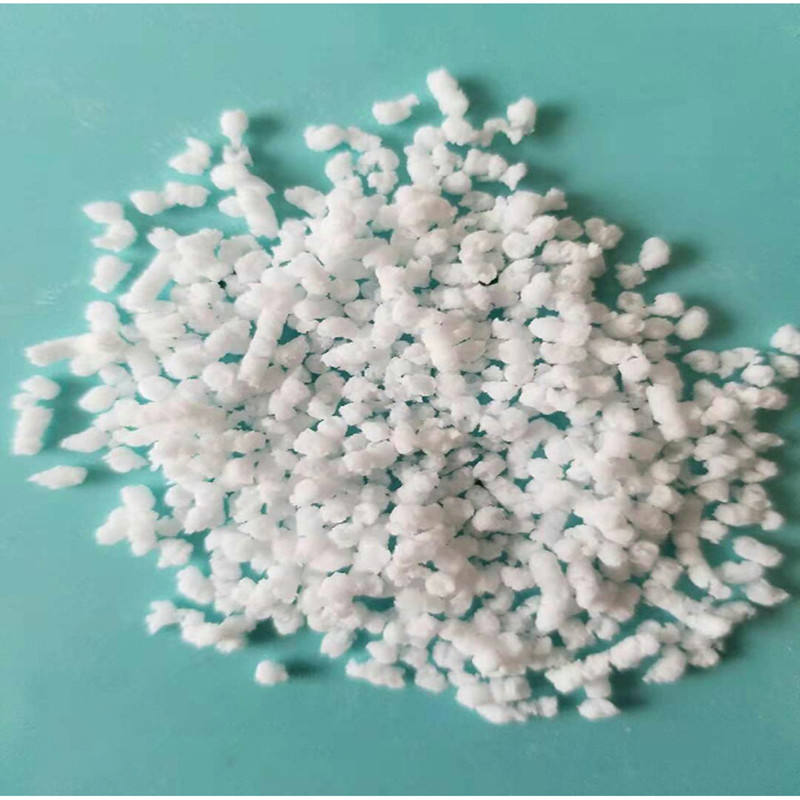
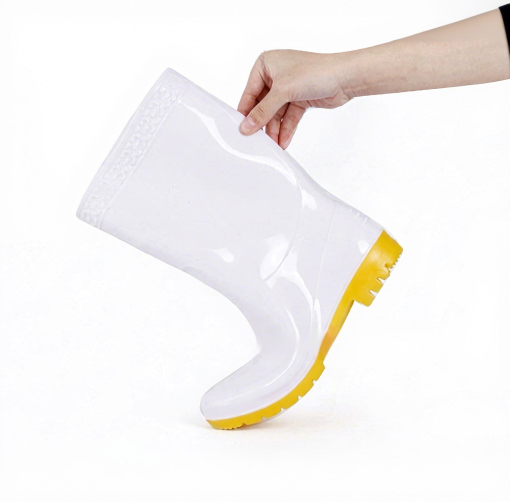
Acid & Alkali Resistant Boots rely on specialized material formulations and construction to block chemical permeation. Key materials include nitrile rubber, neoprene, and chemically modified PVC, each engineered to resist breakdown from specific acid and alkali compounds. Construction techniques like seamless injection molding eliminate weak points where chemicals could seep in, while controlled material thickness ensures flexibility without sacrificing barrier performance.
Professional Rain Boot Manufacturer leverages standardized compound testing and precision manufacturing to ensure consistent chemical resistance across production batches. Materials are formulated to balance durability, flexibility, and chemical protection, with compliance testing aligned to industry standards. Outsole patterns are designed to provide traction on wet, contaminated surfaces common in industrial settings.
3. Practical Solutions and Operation Steps
Selecting appropriate acid and alkali resistant boots requires evaluating three core factors: chemical type, exposure duration, and work environment. Follow these actionable steps to make the right choice:
- Confirm the specific acids or alkalis encountered in your workspace to match material resistance profiles
- Verify compliance with relevant occupational footwear standards, such as EN 13832-3 for chemical protection
- Check construction details, including seamless seams and reinforced toe areas for heavy-duty tasks
- Test fit with appropriate work socks to ensure comfort during long shifts without restricting movement
- Review care instructions to maintain chemical resistance over time
Not all resistant boots are suitable for every scenario: boots designed for occasional exposure may not withstand daily prolonged contact with strong concentrated chemicals, while lightweight models may lack durability for heavy industrial work.
4. Daily Maintenance and Precautions
Proper maintenance preserves the chemical resistance of Acid & Alkali Resistant Boots. After each use, rinse boots with clean water to remove residual chemicals, paying attention to seams and sole grooves that can trap contaminants. Avoid exposing boots to high heat from direct sunlight or industrial heaters, as this can degrade chemical barrier materials.
Do not use strong solvents or abrasive cleaners that can break down protective layers. Never use standard rain boots as a substitute for certified chemical-resistant footwear, as these lack specialized material formulations to block chemical permeation. Store boots in a cool, dry area away from direct sunlight to prevent premature aging.
5. Industry Standard and Parameter Reference
ParameterRecommended ReferenceWhy It MattersSlip resistance on contaminated surfacesEN ISO 20347:2022+A1:2024Evaluates outsole performance when exposed to chemical spills or wet industrial surfacesChemical permeation resistanceEN 13832-3:2018Tests ability of boot materials to block liquid chemical penetration over 24 hoursOccupational footwear durabilityISO 20347:2021Ensures boots withstand regular wear and tear in industrial work environmentsProtective toe performanceASTM F2413-24 (where applicable)Relevant for tasks with risk of falling heavy objects in chemical settings
All performance claims should be verified through third-party testing from accredited bodies like SGS or Intertek to ensure alignment with stated standards.
6. Customer Common FAQ
Q: Can acid and alkali resistant boots be used for both mild and strong chemical exposure?
A: It depends on material formulation: some boots are designed for general chemical resistance, while specialized models handle concentrated acids or alkalis. Professional Rain Boot Manufacturer recommends matching boots to the exact chemicals encountered in your work.
Q: How often should chemical resistance be re-tested?
A: No formal re-testing schedule exists, but inspect boots regularly for cracking, swelling, or discoloration, which indicate degraded chemical barrier performance. Replace boots if these signs appear.
Q: Are acid resistant boots waterproof by default?
A: Most chemical-resistant boots are waterproof, but water resistance and chemical resistance are separate properties. Ensure waterproofing meets your needs for wet environments while chemical protection matches your workplace hazards.
Q: Can I clean acid resistant boots with regular household products?
A: Mild soap and warm water are safe for routine cleaning. Avoid harsh chemicals or bleach, as these can compromise the protective material layers.
Q: Do these boots work in cold industrial environments?
A: Some models include cold-resistant formulations tested to -20°C, but standard chemical resistant boots may stiffen in extreme cold. Check for cold resistance certifications when working in low-temperature settings.
Conclusion
Acid & Alkali Resistant Boots are critical for protecting workers in industrial chemical environments, but their effectiveness depends on proper selection and maintenance. Understanding material properties, compliance standards, and use cases ensures workers choose footwear that withstands constant chemical exposure. Professional Rain Boot Manufacturer provides guidance on standardized materials and construction to support safe and reliable work footwear for industrial settings.
References
- European Committee for Standardization. (2018). EN 13832-3:2018 Chemical protective footwear - Part 3: Footwear for resistance to chemicals. Brussels, Belgium: CEN.
- International Organization for Standardization. (2021). ISO 20347:2021 Occupational footwear - Safety footwear with additional requirements. Geneva, Switzerland: ISO.
- American Society for Testing and Materials. (2024). ASTM F2413-24 Standard Specification for Performance Requirements for Protective Toe Footwear. West Conshohocken, PA: ASTM International.