
What Are the Common Applications of PNBR in Manufacturing?
Manufacturers often struggle to find rubber materials that mix well, process well, and still perform under pressure. Poor material choices waste time and money. Powdered Nitrile Butadiene Rubber, or PNBR, solves many of these problems.
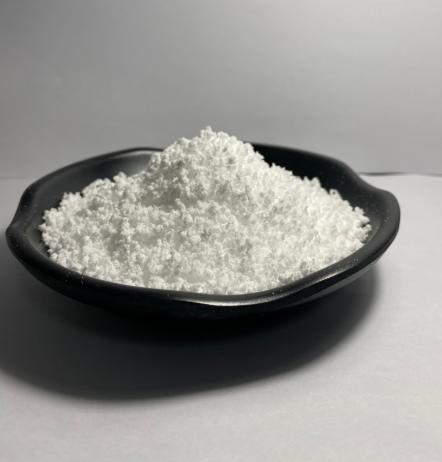
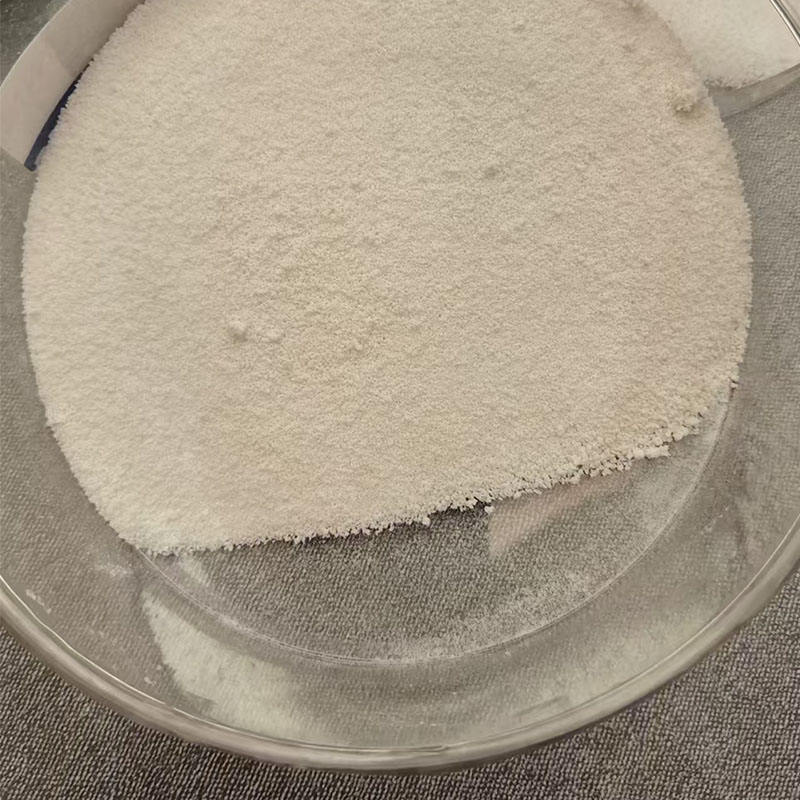
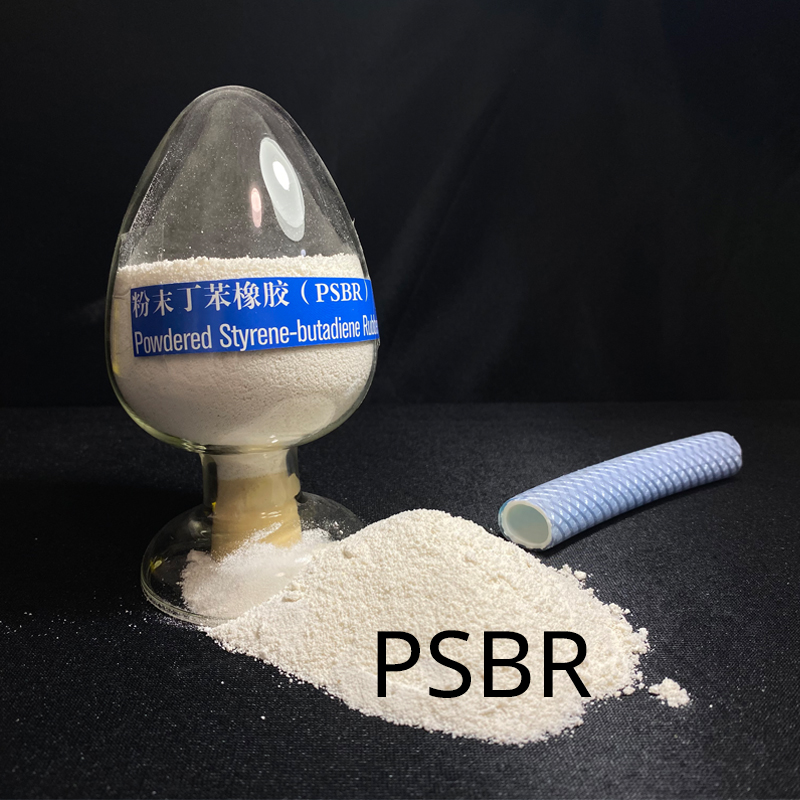
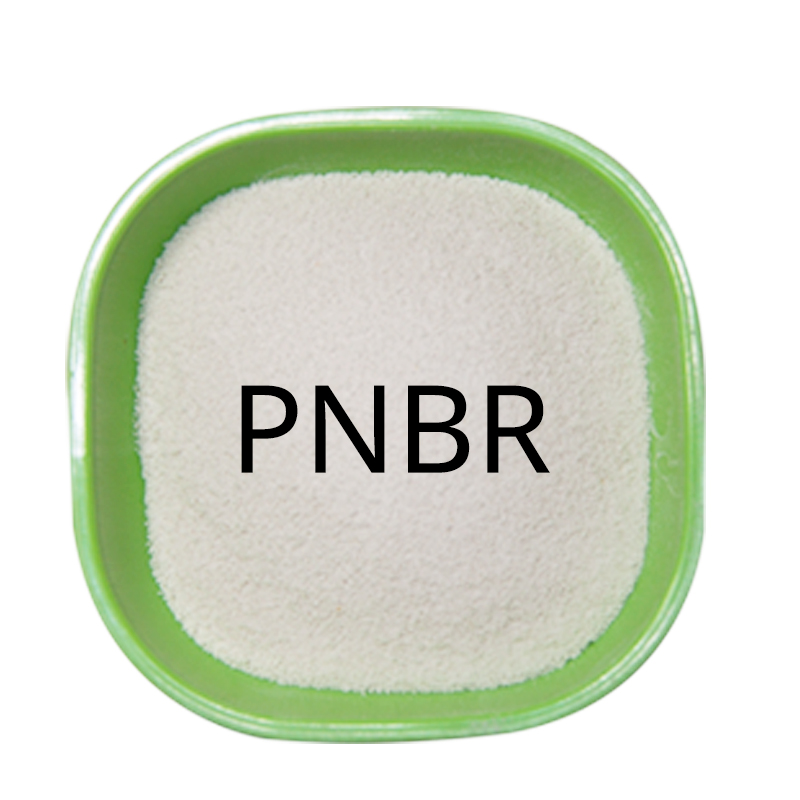
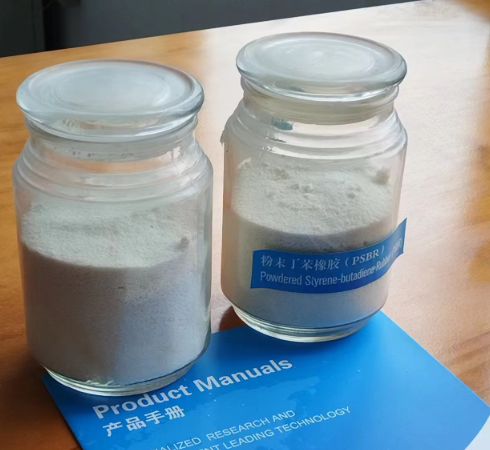
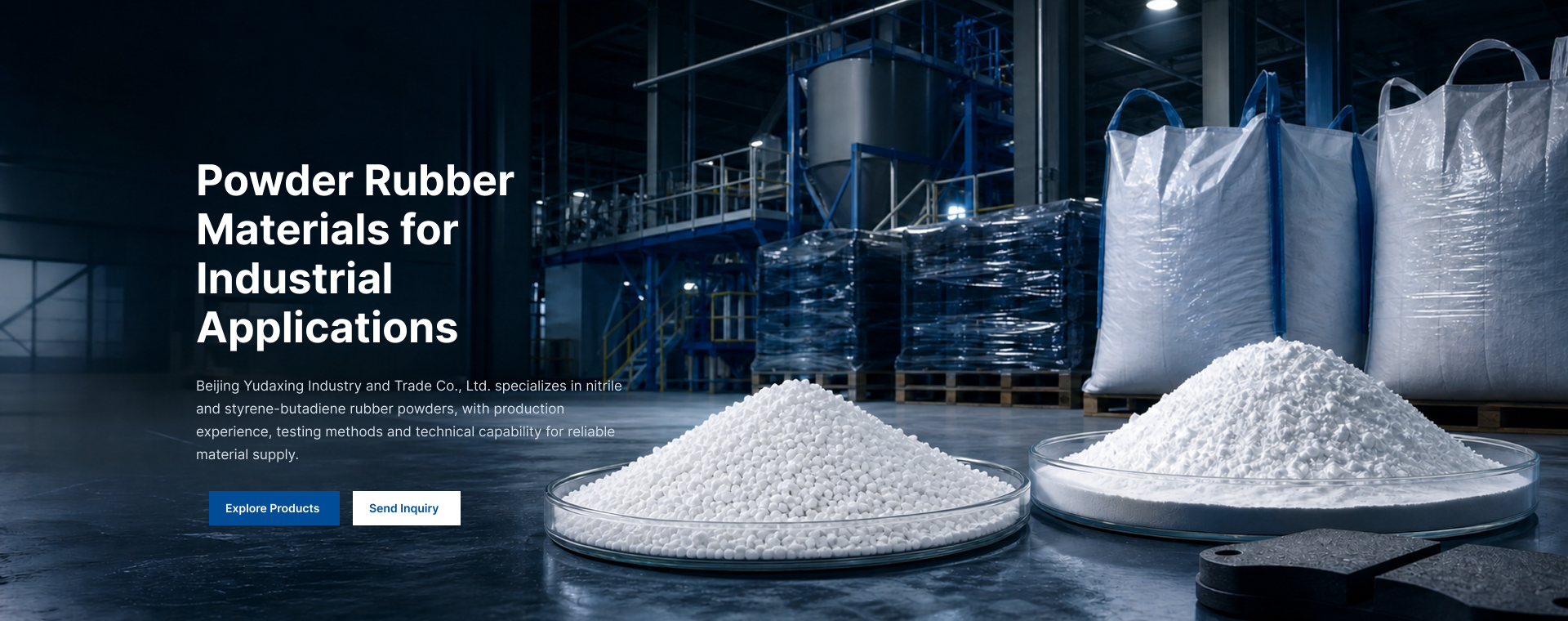
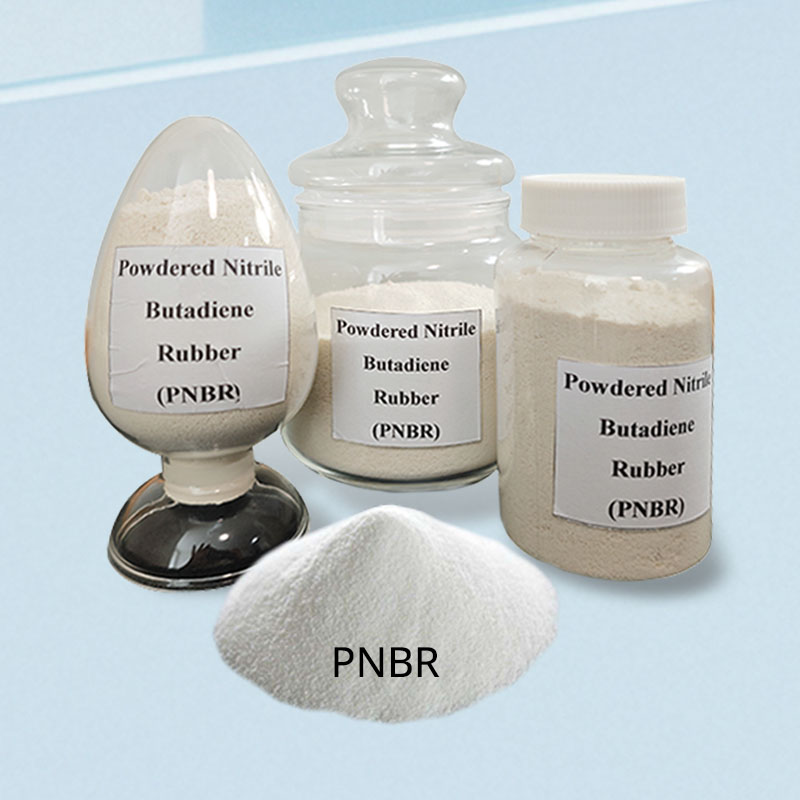
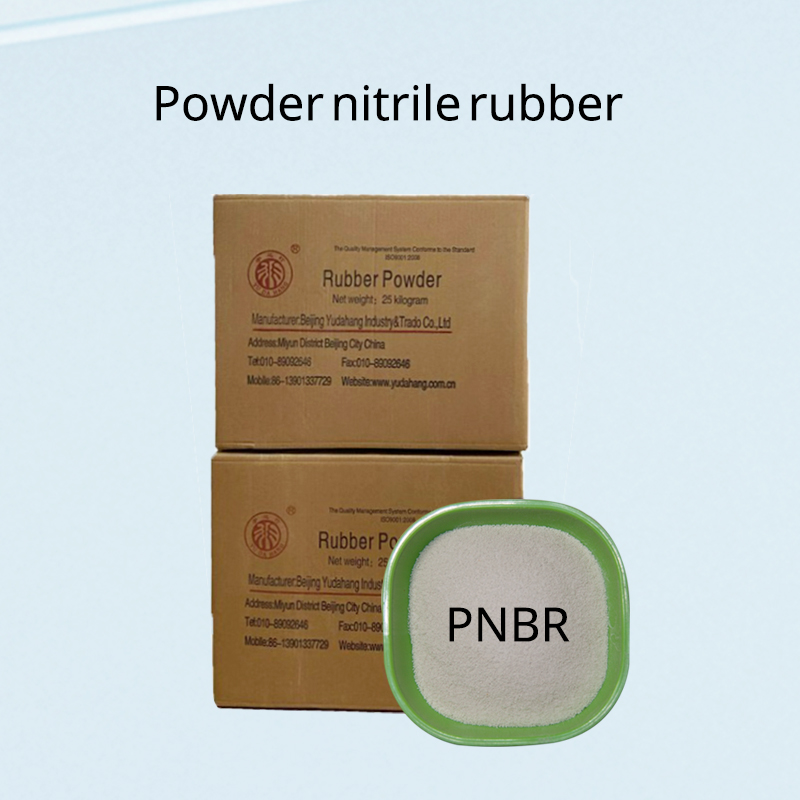
PNBR is a powdered form of nitrile rubber. Manufacturers use it in rubber compounds, modified materials, and industrial components. Its powder format makes blending and processing easier. This helps producers save time and improve material compatibility across different production lines. Commercially available powder grades are typically supplied as discrete particles roughly 0.3–4 mm in diameter, produced either by mechanically pulverizing dry rubber or through dedicated powder-latex processes, specifically so the material can be handled with powder-metering equipment instead of being cut and weighed from bales. [4]
I have spent years watching the rubber and polymer materials industry change. PNBR keeps coming up in conversations with manufacturing partners. I want to walk you through where it fits, how it compares to other rubbers, and how to pick the right grade for your work. Stay with me, because the details below can save you real money on your next sourcing decision.
When Is Powdered Nitrile Rubber Used in Production?
Many production teams reach for PNBR when they need a material that blends fast and processes clean. Standard rubber sheets and bales can slow down a line. Powdered rubber moves through equipment with less trouble.
Manufacturers use powdered nitrile rubber for quick blending, precise dosing, and reliable mixing. It works well in rubber compounding, modifying polymers, and making industrial components. This is especially true when automated material handling is involved. Industry suppliers position PNBR specifically for composites, jointing sheets, and the modification of plasticized PVC in extruded and molded profiles — applications where dry powder can be metered and blended directly rather than processed as solid stock. [1]
I remember a conversation with a plant manager who switched from bale rubber to powdered rubber last year. He told me the mixing time dropped, and the batches came out more even. That is the practical value of PNBR. Its particle size allows it to disperse quickly through other materials. This matters most in high-volume production, where every minute on the line adds cost.
PNBR shows up most often in three types of work: rubber compound manufacturing, polymer modification, and specialty industrial components. Each setting has different needs, but they all benefit from the same core advantage. The material handles easily and blends without long mixing cycles.
A powder does not need to be cut, weighed in large chunks, or manually fed into a mixer the same way solid rubber does. Automated systems can meter powder more precisely. This reduces waste and keeps formulations consistent from batch to batch. Compared with block or baled rubber, powder grades also skip the cutting step entirely and typically need no preheating before processing, which is part of why they are described as offering good dry-mixing behavior straight out of the bag. [2]
Here is how the two formats compare on the production floor. Blending speed is fast for powdered nitrile rubber and slower for standard bale rubber. Dosing precision is high for powdered rubber and moderate for bale rubber. Automation compatibility is strong for powdered rubber and limited for bale rubber. Handling labor is lower for powdered rubber and higher for bale rubber.
|
Factor |
Powdered Nitrile Rubber |
Standard Bale Rubber |
|
Blending speed |
Fast |
Slower |
|
Dosing precision |
High |
Moderate |
|
Automation compatibility |
Strong |
Limited |
|
Handling labor |
Lower |
Higher |
Manufacturers who run automated or semi-automated lines usually see the biggest gains. Smaller shops using manual mixing might see less difference. Still, the powder format reduces physical handling time.
How Does PNBR Compare to Other Synthetic Rubbers for Automotive Seals?
Automotive seals face oil, heat, and constant wear. Picking the wrong rubber here leads to leaks, failures, and expensive recalls. This is where the comparison between PNBR and other synthetic rubbers really matters.
PNBR is a strong choice for automotive seals. Nitrile-based materials are great for oil resistance and durability. They often outshine many other synthetic rubbers. The right choice depends on the seal's specific application, working temperature, and the fluids it will contact daily. Comparative material data consistently place nitrile rubber at or near the top for petroleum oil and fuel resistance among common elastomers, which is why it remains the default recommendation for hydraulic seals, fuel-system components, and oil gaskets. [5]
I have talked with engineers who default to nitrile rubber for every sealing job. That is not always the right call. Nitrile materials, including PNBR, perform well against oils and fuels. But other synthetic rubbers, like EPDM or silicone, may handle extreme heat or specific chemicals better. The seal's job decides the right material, not habit.
PNBR-based compounds often perform well in fuel systems, gaskets, and general oil-resistant seals. The nitrile backbone makes it highly resistant to petroleum-based fluids. This is a key need for automotive parts.
Seals exposed to very high heat or ozone may need a different material. EPDM handles weather and ozone exposure well. Silicone handles extreme temperature swings. Neither matches nitrile's oil resistance, so the trade-off always comes back to the working environment. Published comparisons back this up: EPDM's saturated backbone gives it excellent ozone and weathering resistance but essentially no oil resistance, while silicone typically operates from roughly −60°C up to 200–230°C and resists ozone well, but is likewise a poor performer against petroleum-based fluids. [6]
On oil resistance, PNBR and nitrile rubber rate strong, while EPDM and silicone rate weak. On heat resistance, PNBR is moderate, EPDM is strong, and silicone is very strong. On ozone resistance, PNBR is moderate, while EPDM and silicone are both strong. On cost, PNBR sits moderate, EPDM is moderate, and silicone runs higher.
|
Property |
PNBR / Nitrile |
EPDM |
Silicone |
|
Oil resistance |
Strong |
Weak |
Weak |
|
Heat resistance |
Moderate |
Strong |
Very strong |
|
Ozone resistance |
Moderate |
Strong |
Strong |
|
Cost |
Moderate |
Moderate |
Higher |
I always tell customers to test against their real working conditions. A spec sheet gives a starting point, but the actual application decides the winner.
Which Powdered Nitrile Rubber Is Best?
Customers ask me this question often, and I understand why. Everyone wants a simple answer. But rubber materials do not work that way. The best PNBR grade depends on your process, not a general ranking.
The best powdered nitrile rubber is the one that matches your specific formulation, processing method, and end-use requirements. Factors like particle size, acrylonitrile content, and blending compatibility all affect which grade performs best for a given application.
I learned this lesson early in my career. A customer once asked for the “top” PNBR on the market. I had to explain that performance depends on how the material fits into their exact compound. A grade built for automotive seals may not suit a general industrial gasket. Matching the material to the job matters more than chasing a single best product.
Acrylonitrile content affects oil resistance and flexibility. Particle size affects how fast the powder blends into a compound. Both factors shift performance in different directions, so a supplier needs to understand your process before recommending a grade. This lines up with how commercial grades are actually differentiated: suppliers vary acrylonitrile level and Mooney viscosity from grade to grade, since a higher acrylonitrile content improves oil resistance but reduces cold-temperature flexibility, and grades are further partitioned with fillers such as calcium carbonate to control how the powder flows and disperses. [1] [3]
I always recommend small batch testing before a full production run. This confirms how the PNBR grade behaves in your specific mixing equipment and formulation. It also catches compatibility issues early, before they become costly problems on the line.
Acrylonitrile content affects oil resistance and flexibility. Particle size affects blending speed and dispersion. Processing method affects compatibility with your equipment. End-use environment affects long-term durability. All four factors work together, and none of them should be judged alone.
The right PNBR is not the most popular one. It is the one tested and proven for your exact application.
Conclusion
PNBR provides real value in manufacturing, sealing, and choosing materials. However, the right grade depends on your specific application. At Yudahang, we aim to transform professional material knowledge into reliable sourcing choices for each customer we serve.
References
[1] Apcotex Industries. “Powdered NBR (PNBR) — Synthetic Rubber Products.” Apcotex. https://apcotex.com/PNBR
[2] “Powdered Nitrile Rubber PNBR / Acrylonitrile Butadiene Rubber Powder.” Hebei Yizhuo, Made-in-China. https://hebeiyizhuo.en.made-in-china.com/product/ufcYldNoZpRv/China-Powdered-Nitrile-Rubber-Pnbr-Acrylonitrile-Butadiene-Rubber-Powder.html
[3] ARLANXEO. “Baymod® N — Powdered NBR.” ARLANXEO Product Brands. https://www.arlanxeo.com/en/brands/baymod-n
[4] U.S. Patent 4,383,108. “Production of Emulsion-Polymerized Butadiene Rubber in Powder Form.” USPTO. https://image-ppubs.uspto.gov/dirsearch-public/print/downloadPdf/4383108
[5] Delta Rubber. “EPDM vs Neoprene vs Nitrile vs Silicone vs Viton: Which Rubber Is Right for Your Application?” Delta Rubber Product Guide. https://deltarubber.co.uk/rubber-material-comparison-guide/
[6] “Silicone vs EPDM vs NBR: How to Choose Sealing Material.” Newtop Custom Silicone. https://www.newtopcustomsilicone.com/silicone-vs-epdm-vs-nbr-how-to-choose-sealing-material/